



What Interior Design Trends Will Shape Luxury Homes in 2027?
Luxury homes are evolving beyond visual appeal. Homeowners are increasingly looking for spaces that reflect their personalities, support their daily routines, and balance aesthetics with functionality. From tactile materials and sculptural lighting to customised furniture and discreet technology, the focus is shifting towards interiors that feel welcoming, purposeful, and individual.
As residential design evolves, 2027 is expected to bring greater emphasis on warmth, natural materials, thoughtful detailing, and personalised spaces. Rather than following a single design style throughout the home, homeowners are exploring ways to combine different textures, colours, forms, and finishes to create interiors that feel cohesive without appearing repetitive.
Another defining aspect of contemporary luxury is the growing attention to how a space functions. Proportions, lighting, material selection, storage, and movement between rooms all influence the overall experience of a home. When these elements are planned together, the result is an interior that looks considered and remains practical over time.
For homeowners planning a new residence or renovating an existing one, understanding these emerging design directions can help them make informed decisions about layouts, furniture, finishes, and decorative elements.
Warm Minimalism Over Cold Minimalism
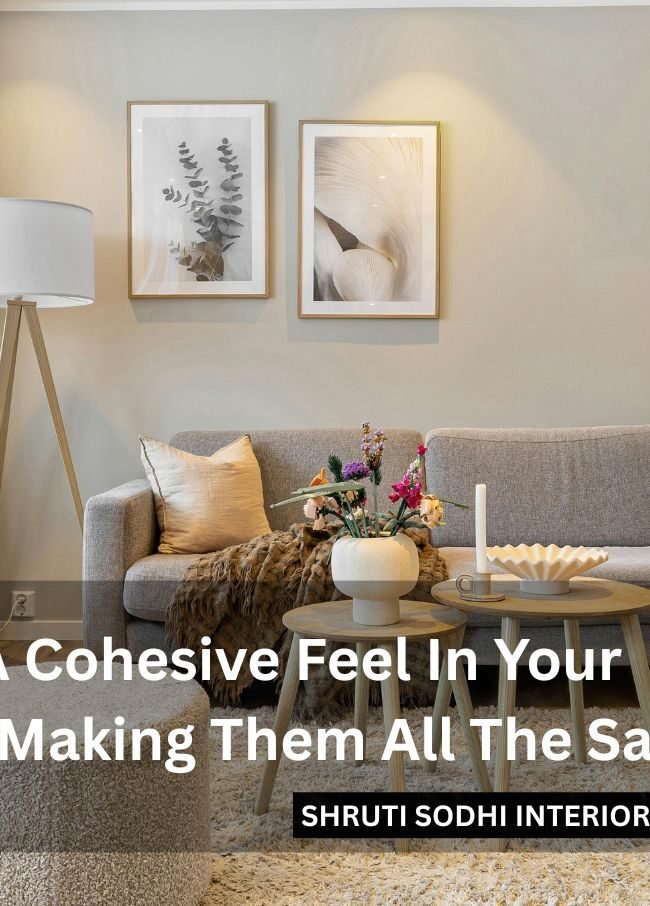
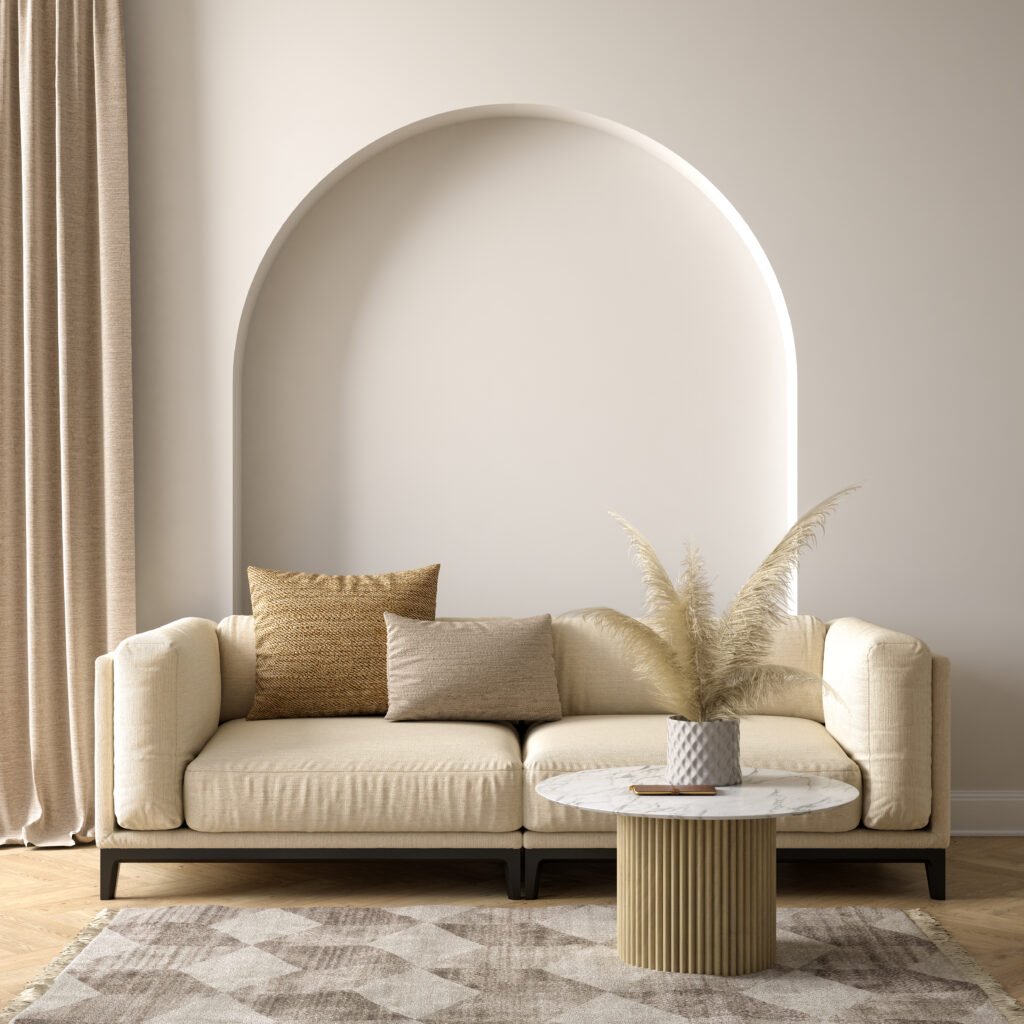
Minimalist interiors are moving towards a warmer, more inviting interpretation of simplicity. This approach retains clean lines and uncluttered layouts while introducing natural textures, softer colours, and materials that make a space feel comfortable rather than stark.
Instead of relying on bright white walls, glossy surfaces, and rigid furniture arrangements, warm minimalism incorporates earthy neutrals, natural wood, textured plaster, linen, and tactile upholstery. The aim is to maintain visual clarity without making the interiors feel empty or impersonal.
For example, a living room could feature a streamlined sofa, a textured stone coffee table, oak cabinetry, and soft ambient lighting. Each element remains understated, yet the combination creates depth and makes the space feel more inviting.
Homeowners can explore different approaches to contemporary interiors in our guide to Interior Design Styles 2026, which examines how various styles can be adapted to residential spaces.
Natural Materials With More Visible Texture
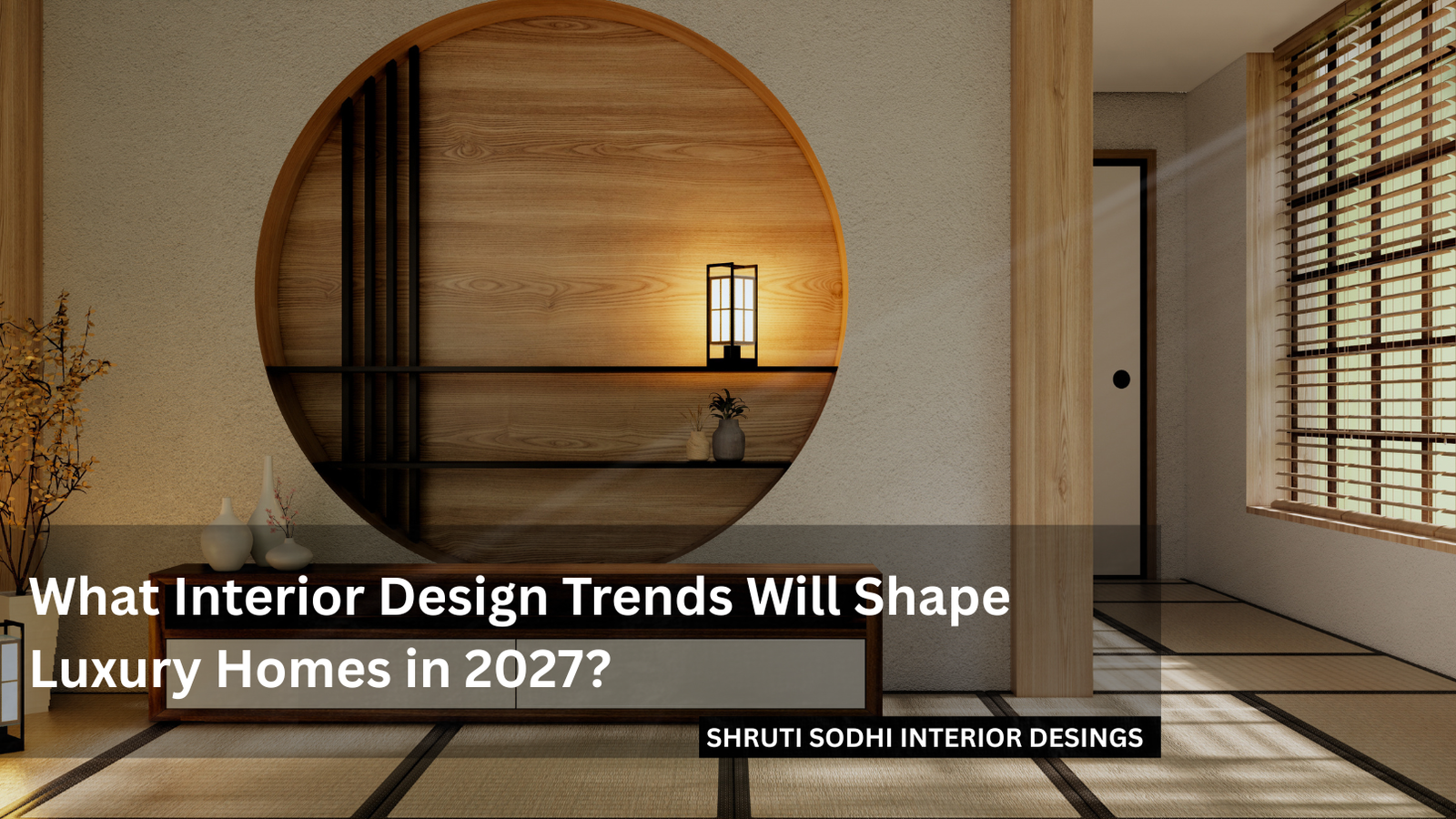
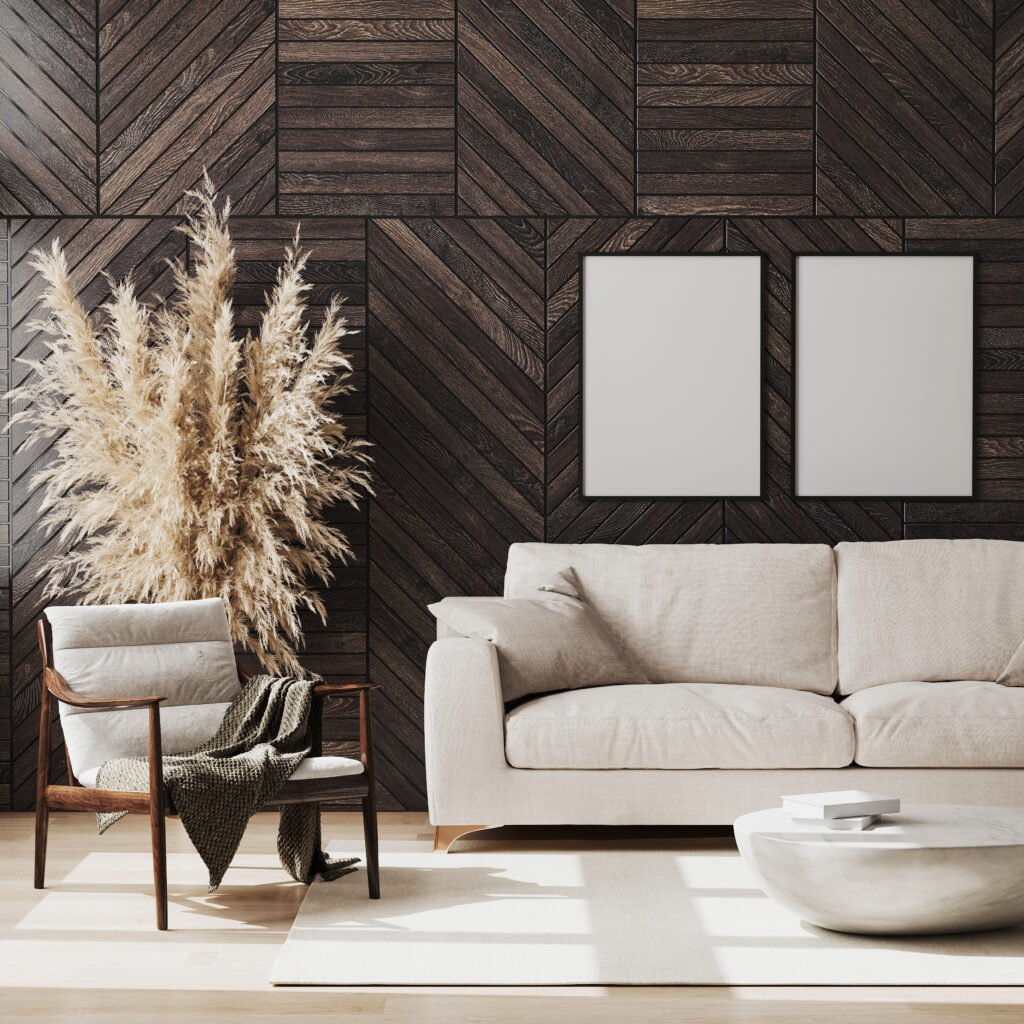
For homeowners working with interior designers in Delhi NCR, natural materials offer a practical way to create luxurious interiors with depth and character. Visible wood grain, textured stone, linen, and handcrafted finishes introduce visual interest while keeping the overall design balanced.
Some ways to incorporate natural textures include:
- Natural stone: Travertine, marble, and textured limestone for flooring, countertops, and statement surfaces.
- Wood: Oak, walnut, and other wood finishes for cabinetry, wall panelling, and furniture.
- Textiles: Linen, wool, bouclé, and textured cotton for upholstery, cushions, and window treatments.
- Decorative finishes: Limewash and textured plaster to add depth to otherwise simple walls.
The key is to balance these materials rather than use them throughout every room. Pairing a textured stone surface with smooth cabinetry or combining natural wood with understated upholstery creates contrast without making the interior feel visually busy.
Deeper, Earth-Inspired Colour Palettes
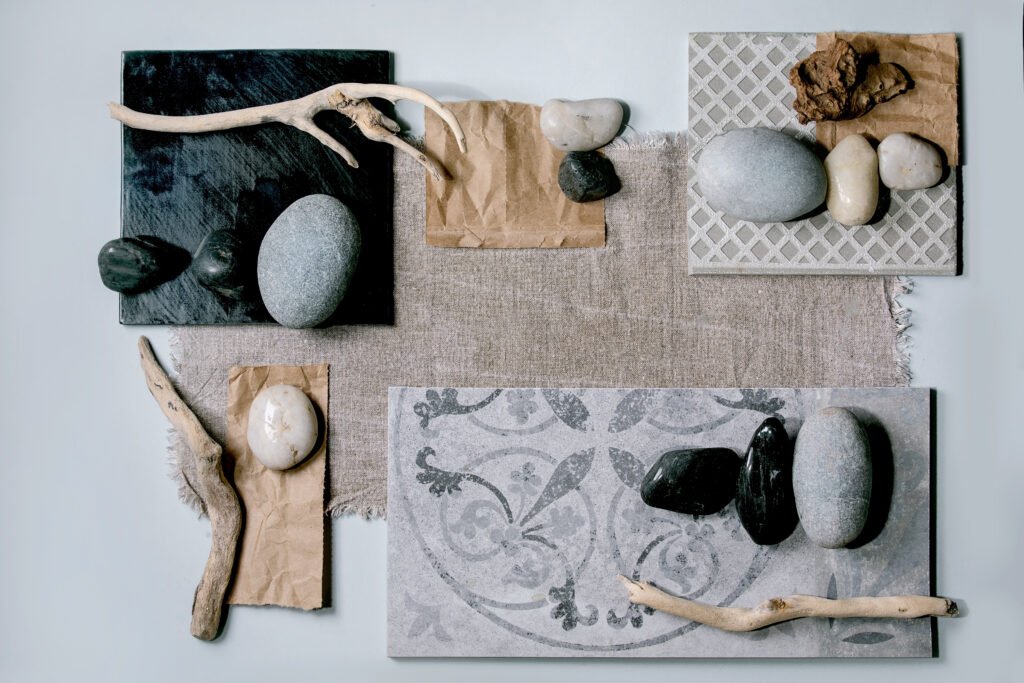
Among the emerging interior design trends 2027, deeper, nature-inspired colours are expected to bring greater character to luxury homes. Rich browns, olive greens, muted terracotta, burgundy, and warm charcoal can introduce depth while complementing the architecture.
These colours can be incorporated through materials, furniture, and carefully selected accents. Walnut cabinetry, olive-toned upholstery, terracotta accessories, or a deep-coloured feature wall can add dimension to a room while allowing lighter surfaces to maintain balance.
To create a cohesive palette, begin with a neutral foundation and introduce one or two deeper shades through furniture, artwork, soft furnishings, or decorative finishes. Repeating selected colours across different rooms can also establish continuity without making every space look identical.
Sculptural and Architectural Lighting
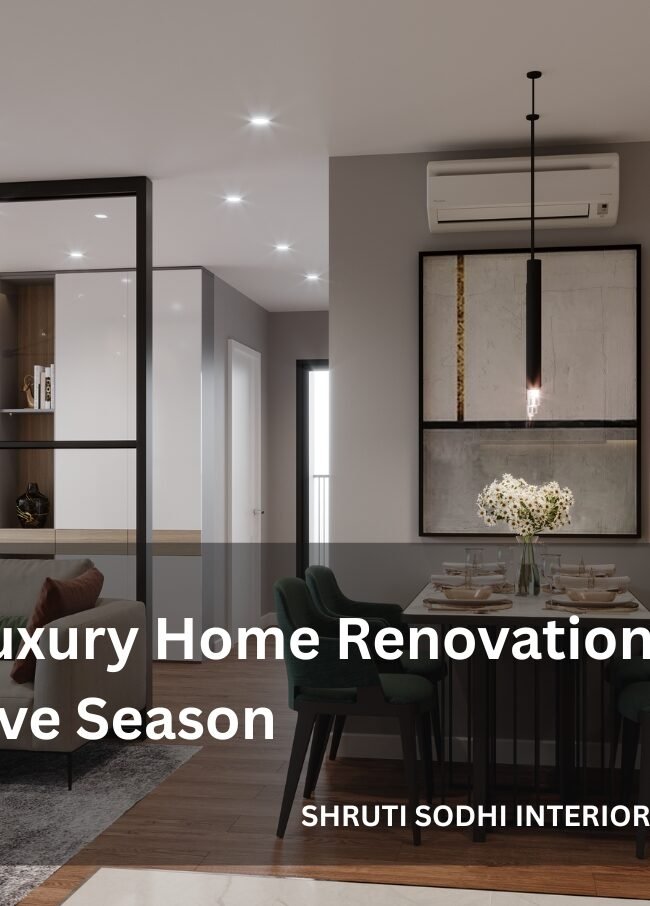
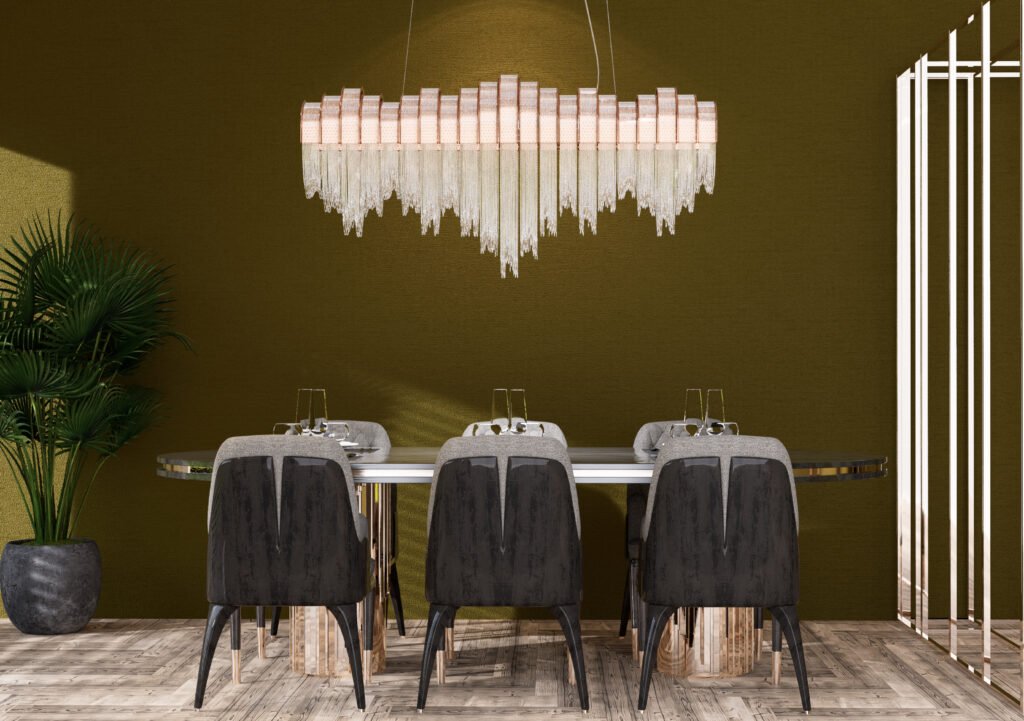
Lighting is increasingly being treated as an architectural feature rather than merely a functional requirement. Sculptural pendants, statement chandeliers, distinctive wall lights, and integrated illumination can establish focal points while enhancing the character of a room.
A dining area might feature a statement pendant above the table, while a living room could combine concealed ceiling lighting with floor lamps and accent lights. In a bedroom, layered lighting can provide comfortable reading illumination while creating a softer atmosphere in the evening.
Effective lighting design also considers how light interacts with surrounding materials. Directional lighting can highlight a textured wall, while concealed illumination can emphasise a niche or floating shelf without introducing visual clutter.
For seasonal inspiration, our guide to Diwali Lighting Ideas for Your Home explores ways to use lighting to complement existing interiors and create a welcoming atmosphere.
Curves and Softer Furniture Forms
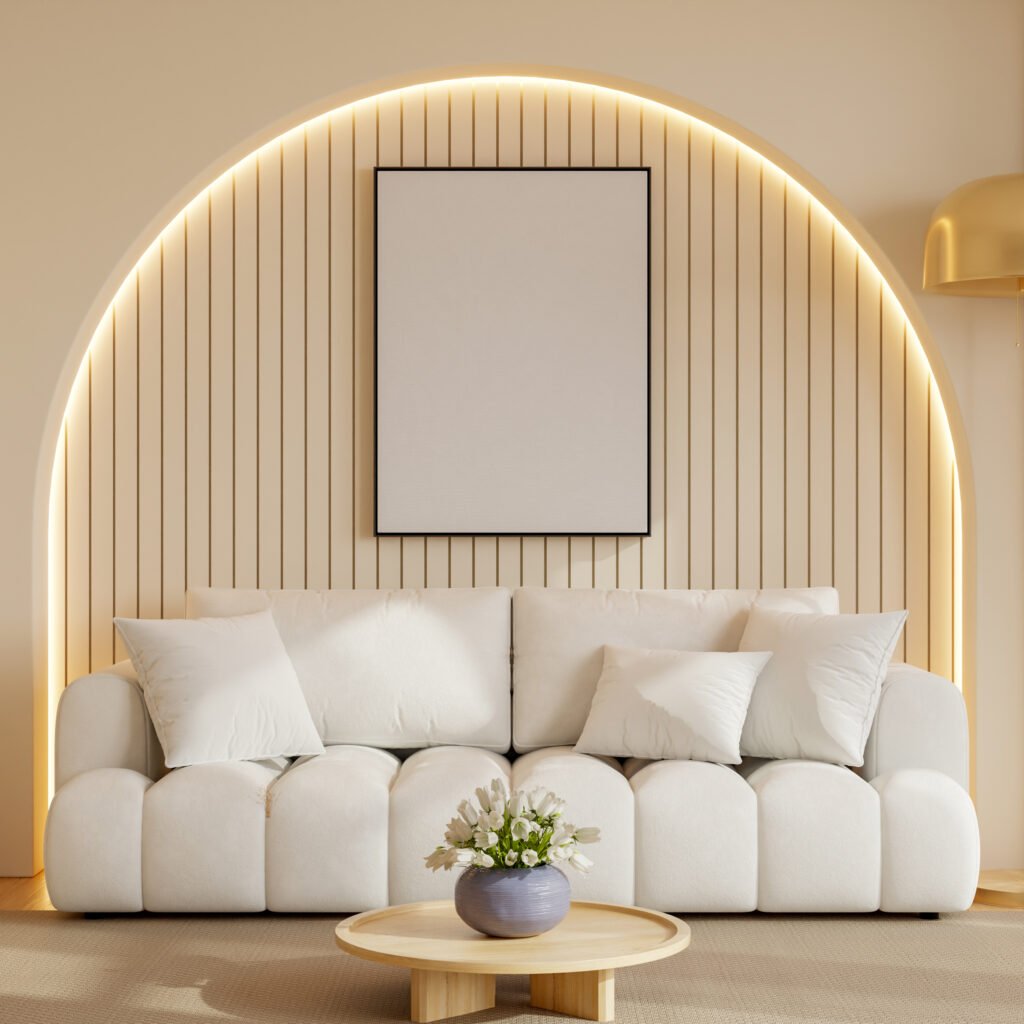
One of the emerging home interior trends 2027 is the use of curved silhouettes and softer furniture forms. Rounded sofas, oval dining tables, organic coffee tables, and sculptural accent chairs offer an alternative to sharp geometric lines while creating a more relaxed atmosphere.
Curved furniture can work particularly well in larger living rooms, where it helps create a more conversational seating arrangement. An oval dining table can improve movement around the dining area, while a rounded accent chair can soften the geometry of a bedroom or reading corner.
However, curved forms are most effective when balanced with structured elements. Pairing a rounded sofa with a linear console or a sculptural chair with a rectangular rug maintains visual definition and prevents the space from feeling unstructured.
Bespoke Furniture and Personalised Interiors
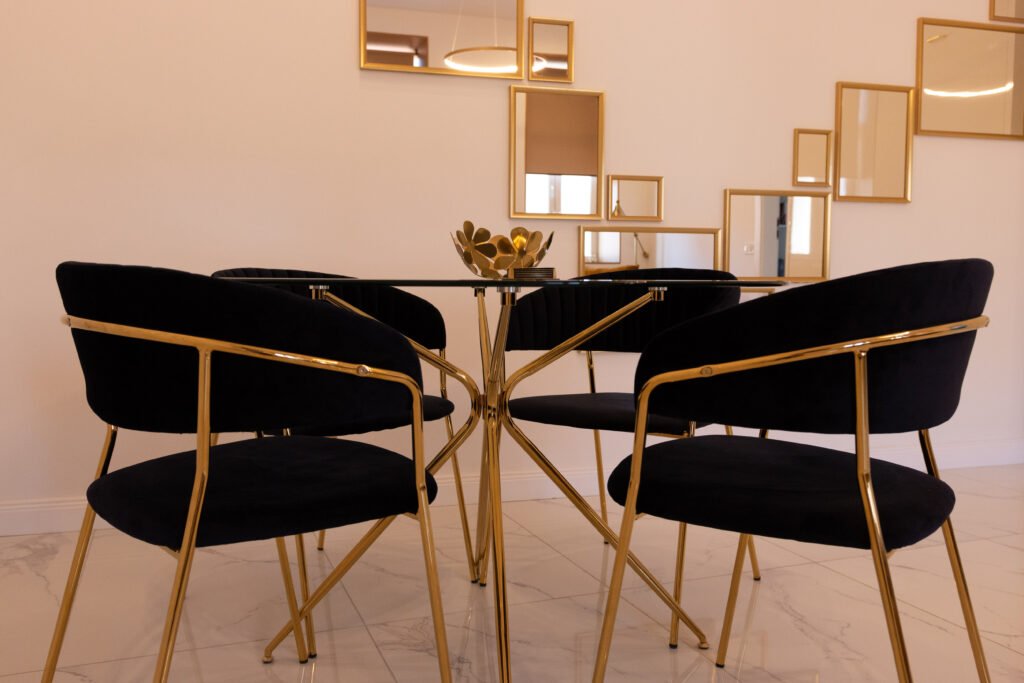
Standard furniture may not always suit the proportions, storage requirements, or design vision of a luxury residence. Customised pieces allow homeowners to make better use of available space while ensuring that dimensions, materials, finishes, and detailing complement the overall interior.
Thoughtfully planned bespoke furniture design can include built-in wardrobes, custom entertainment units, integrated study desks, statement dining tables, and storage solutions designed around everyday routines. In apartments, tailored furniture can also maximise usable space without compromising the room’s appearance.
The process involves more than selecting colours and finishes. Furniture dimensions, ergonomics, storage accessibility, material durability, and the relationship between each piece and the surrounding architecture all influence the final result. Explore Shruti Sodhi Interior Designs’ furniture designing services for furniture solutions tailored to individual spaces and requirements.
Handcrafted and Artisanal Details
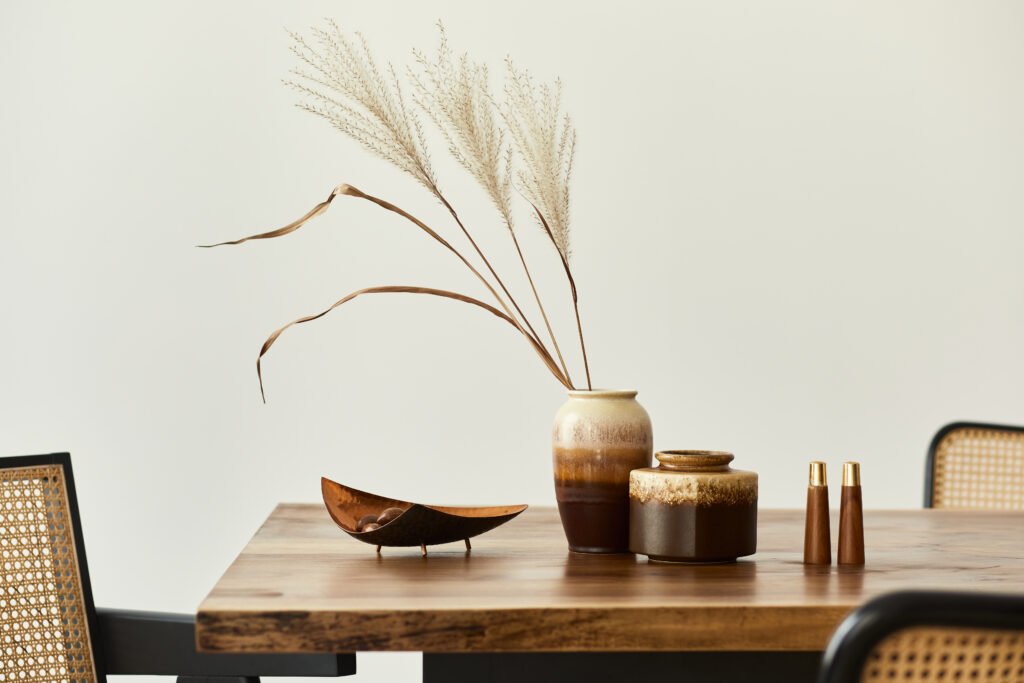
Luxury interiors are increasingly making room for objects that reflect individual character and skilled workmanship. Handcrafted lighting, distinctive ceramics, textured wall finishes, artisan-made accessories, and original artwork can bring personality to a space without requiring excessive decoration.
For homeowners seeking bespoke residential interior design, handcrafted details can make a home feel more personal and distinctive. Artisan-made accessories, custom finishes, and carefully selected statement pieces can complement the architecture while reflecting the homeowner’s preferences.
These details are most effective when chosen with intention. A handcrafted console can become the focal point of an entrance, while a carefully selected artwork can introduce colour and character to a restrained living room. Handmade objects can also create an appealing contrast with precise architectural lines and contemporary furniture.
Rather than displaying numerous decorative pieces, consider selecting a smaller collection of meaningful objects. Their materials, forms, and placement should contribute to the overall composition while reflecting the homeowner’s interests and personality.
Smart Technology That Blends Into the Interior
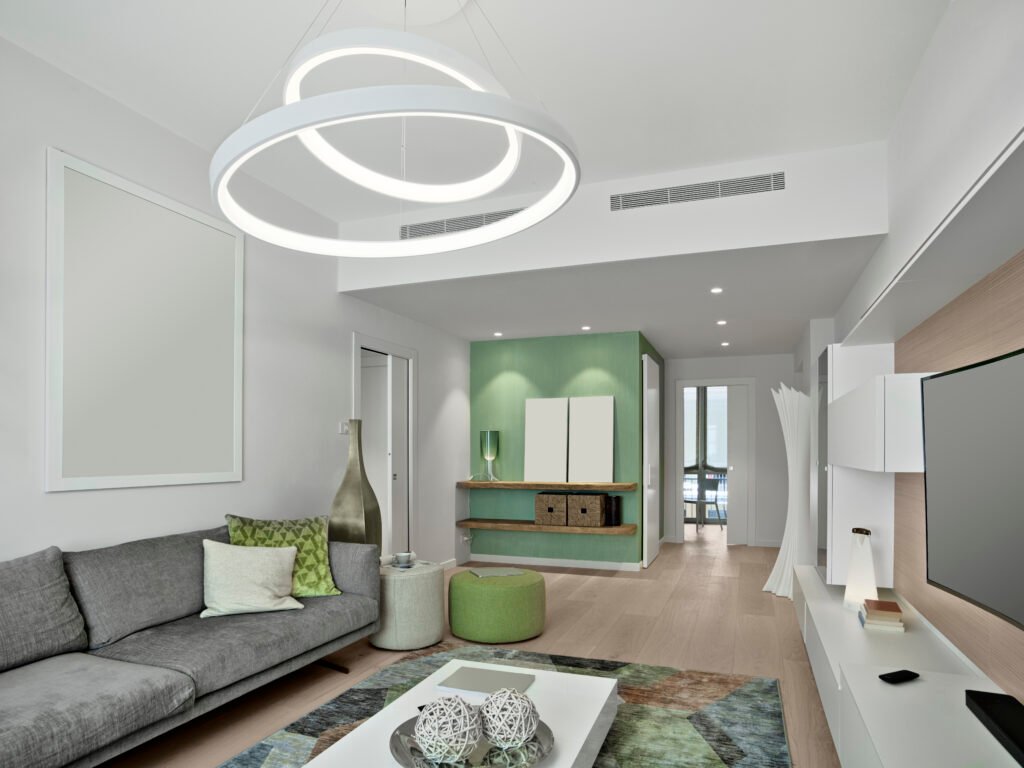
Technology is becoming more integrated into residential design, with an emphasis on convenience without unnecessary visual complexity. Automated lighting, climate controls, motorised curtains, discreet speakers, and integrated entertainment systems can support daily routines while preserving the intended appearance of a room.
For example, smart lighting controls can adjust brightness for different activities, while automated curtains can help manage daylight and privacy. Concealed charging points and carefully planned cable management can also reduce clutter around workstations, bedside tables, and entertainment units.
The most effective approach is to plan technology during the design stage. This allows wiring, control panels, equipment storage, and lighting circuits to be incorporated into the layout rather than added as afterthoughts.
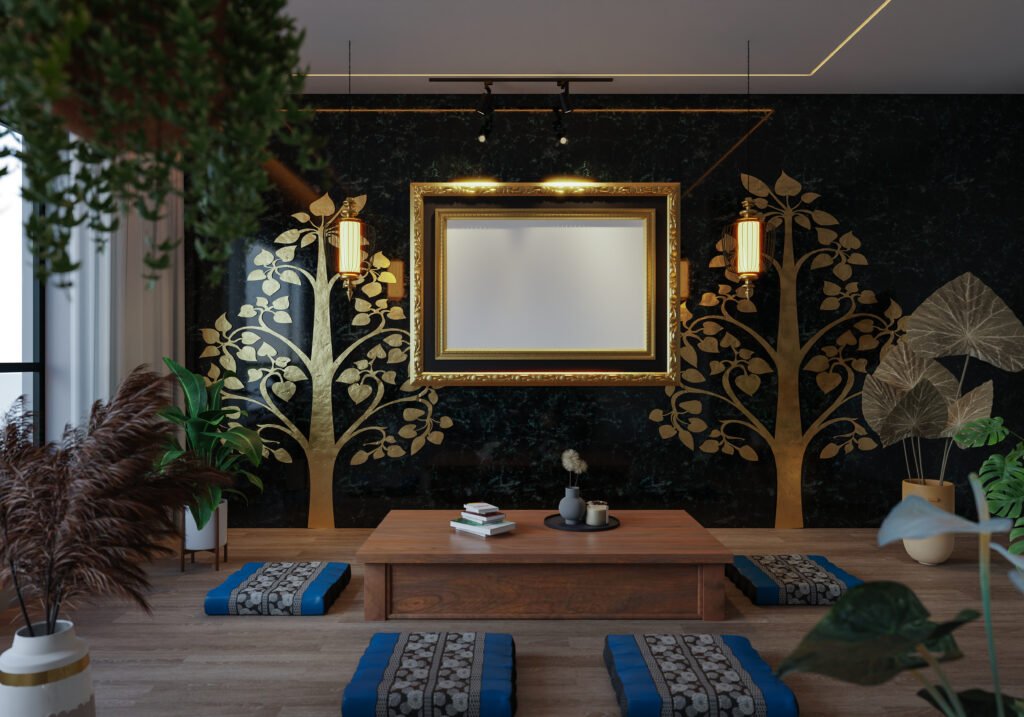
Wellness-Focused Residential Spaces
Comfort and well-being are becoming increasingly important considerations in residential design. Natural daylight, good ventilation, comfortable circulation, acoustic privacy, and access to outdoor views can all contribute to a more supportive living environment.
A dedicated reading corner, a quiet meditation area, a naturally lit study, or a bedroom with effective light control can accommodate different needs within the same home. Material choices also matter, particularly when selecting finishes that are easy to maintain and suitable for everyday use.
A carefully planned residential interior design approach considers these requirements alongside aesthetics, ensuring that the layout, furniture, lighting, and finishes work together. Explore Shruti Sodhi Interior Designs’ residential interior designing services for solutions tailored to individual homes and lifestyles.
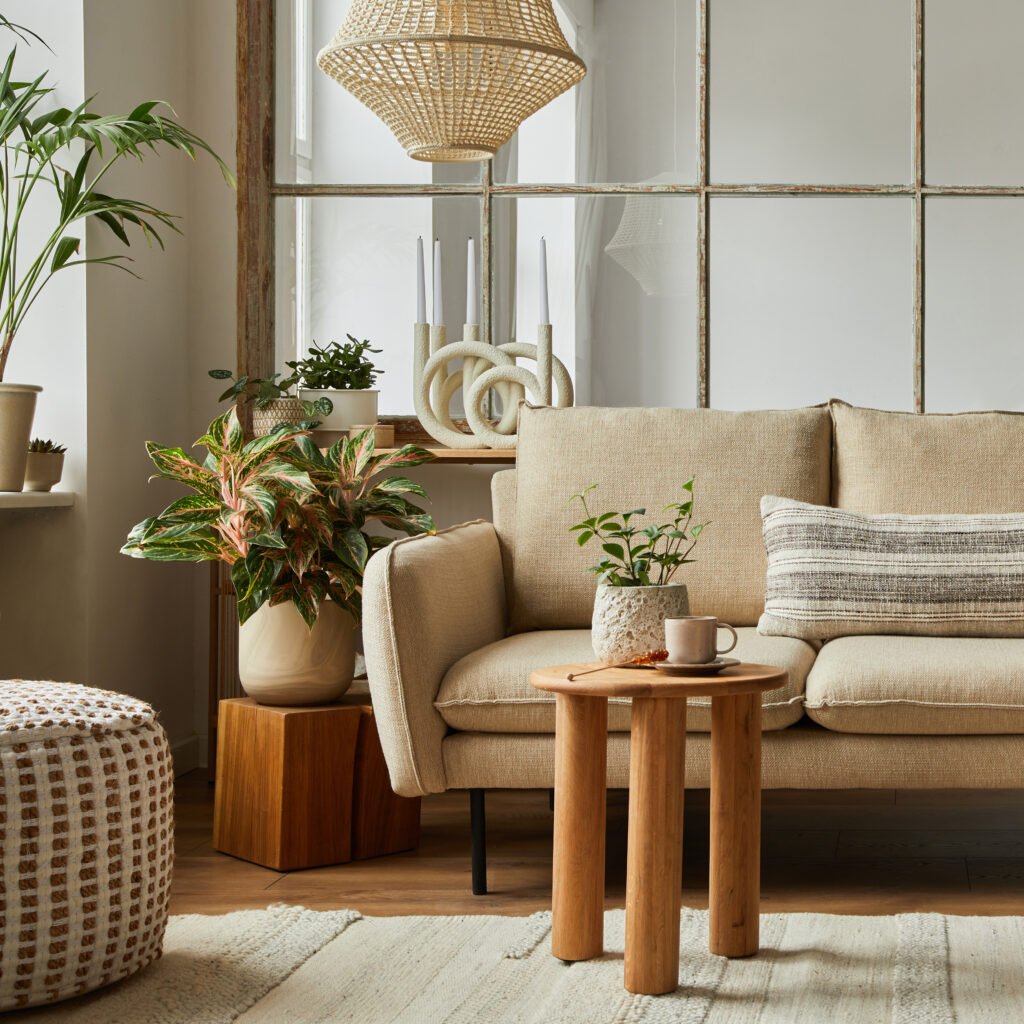
Layered, Collected Interiors Instead of Perfectly Matched Spaces
Interiors are moving away from the idea that every room must follow exactly the same style. A more collected approach allows different materials, furniture styles, artwork, and decorative objects to coexist while maintaining a clear design direction.
For example, a contemporary living room might combine a modern sofa with a vintage accent chair, an artisan-made coffee table, and artwork collected over time. The pieces do not need to match perfectly, provided they relate to one another through colour, scale, material, or proportion.
This approach also allows a home to evolve naturally. Rather than purchasing every accessory at once, homeowners can gradually introduce objects that hold personal meaning or reflect changing interests. The result feels individual and lived-in rather than dependent on a single design trend.
How Shruti Sodhi Interior Designs Helps Shape Luxury Homes for 2027
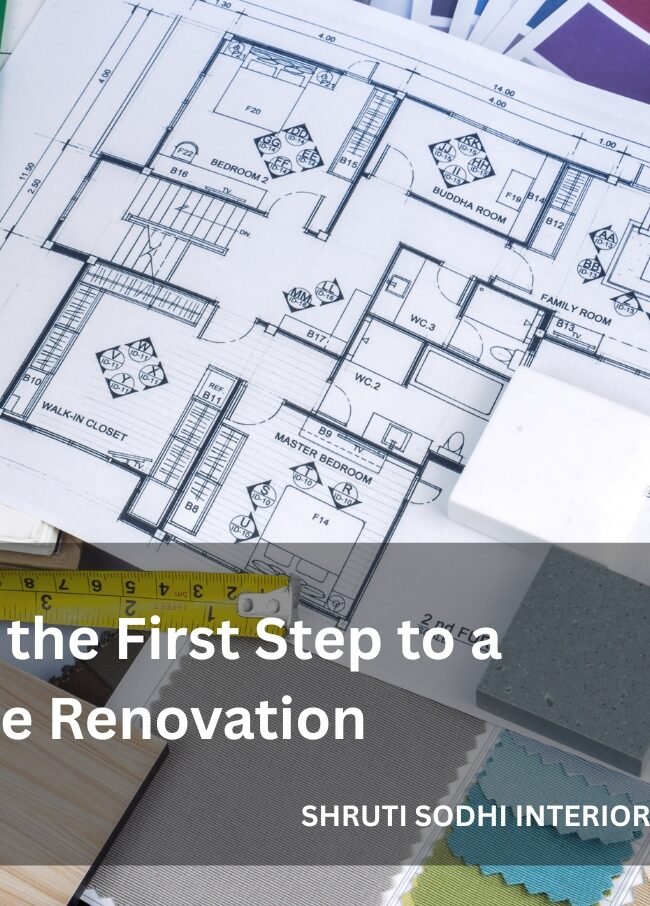
Turning design inspiration into a cohesive home requires a clear understanding of the homeowner’s lifestyle, spatial requirements, material preferences, and long-term priorities. An interior designer brings these elements together so that individual design decisions contribute to a consistent overall vision.
At Shruti Sodhi Interior Designs, the focus is on creating residential spaces where aesthetics and functionality work together. From spatial planning and material selection to furniture, lighting, and personalised detailing, each element is considered in relation to the home and the people living in it.
For homeowners seeking top interior designers in delhi, the value lies in developing a design that goes beyond following trends. A thoughtfully planned residence should reflect individual preferences, make effective use of available space, and balance contemporary ideas with choices that remain relevant for years to come.
Conclusion
The luxury homes of 2027 are likely to be defined less by a single signature style and more by the quality of the decisions behind them. Warm minimalism, tactile materials, deeper colour palettes, sculptural lighting, customised furniture, integrated technology, and wellness-focused planning all point towards more personal and considered interiors.
The most successful designs will not necessarily incorporate every emerging trend. Instead, they will prioritise the ideas that suit the home’s architecture, the homeowner’s lifestyle, and the intended use of each space.
For anyone planning a new home or renovation, the opportunity lies in combining contemporary design directions with practical planning and individual expression. When these elements work together, luxury becomes less about appearances and more about how naturally a home supports everyday living.
FAQs
1. What are the biggest luxury home interior design trends for 2027?
Key directions expected to influence luxury homes include warm minimalism, natural materials, earth-inspired colours, sculptural lighting, curved furniture, personalised interiors, discreet smart technology, and wellness-focused spaces.
2. How can I incorporate 2027 interior trends without renovating my entire home?
Start with smaller changes, such as updating lighting, introducing textured cushions and rugs, adding artwork, or incorporating accessories made from natural materials. Repainting a wall or introducing a statement furniture piece can also refresh a room without requiring a complete renovation.
3. Will minimalist interiors remain popular in 2027?
Minimalism is likely to remain relevant, but warmer interpretations offer a more inviting alternative to stark, highly restrained interiors. Natural textures, comfortable furniture, warm colours, and carefully selected decorative pieces can make minimalist spaces feel more welcoming while retaining their uncluttered character.
4. Why is customised furniture important in luxury home interiors?
Customised furniture can be designed around a room’s dimensions, storage requirements, functional needs, and visual style. It can improve space utilisation and create a more cohesive interior, particularly when standard furniture does not meet the homeowner’s requirements.
5. How do I choose the right interior design trends for my home?
Consider your lifestyle, the architecture of your home, maintenance requirements, budget, and personal preferences before selecting trends. Prioritise changes that improve functionality and comfort, then introduce contemporary colours, materials, and furniture forms where they complement the existing space.
For professional, tailored interior design solutions that bring your vision to life, contact-us today and let’s create the space you’ve always dreamed of!