




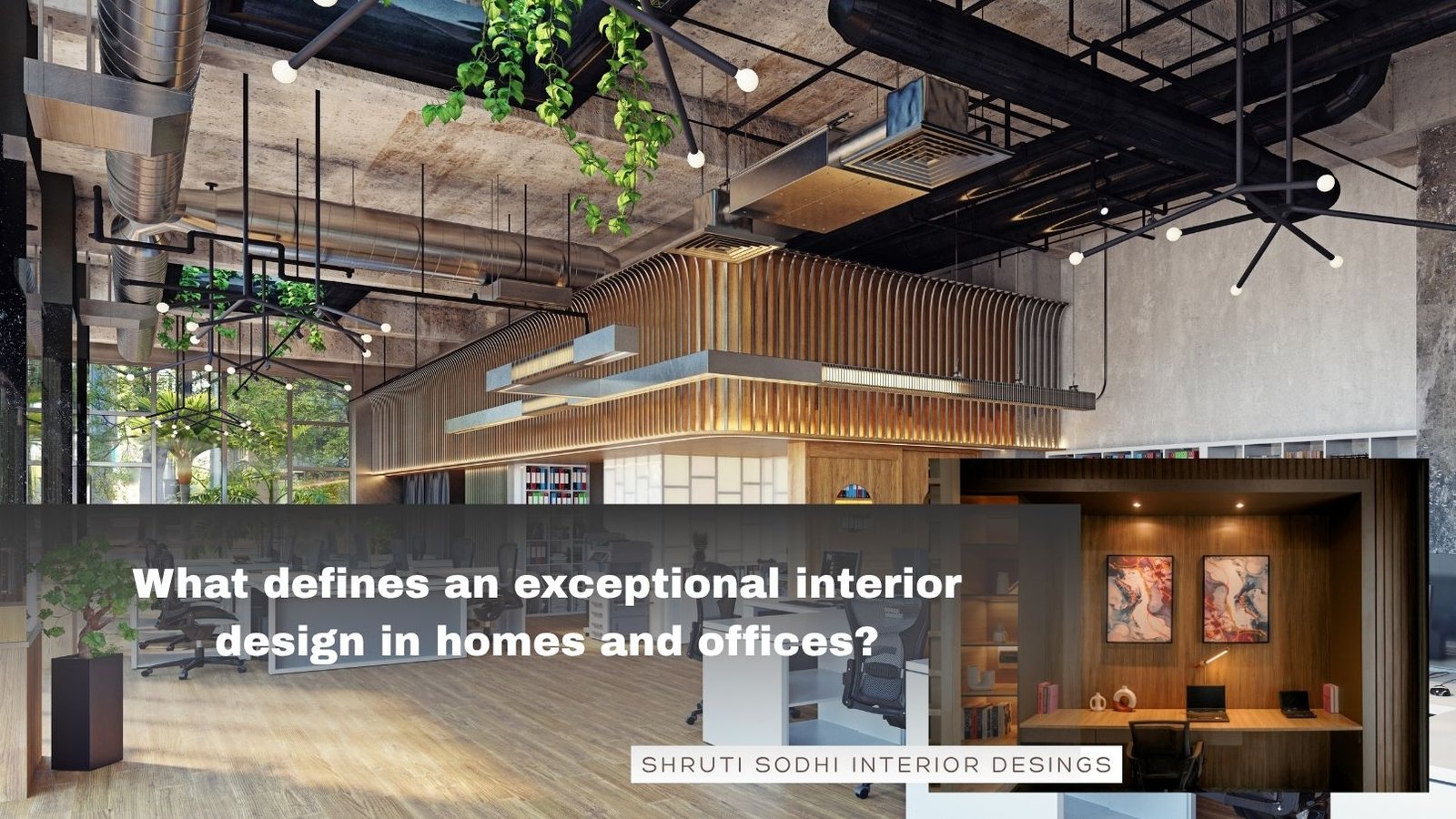
What defines an exceptional interior design in homes and offices?
Interior design is not just about selecting fancy furniture or stylish decor. It’s the creative thinking that goes into allocating spaces for visual appeal, high usability, and the people who will use them on a daily basis. From homes to workplaces, brilliant interior design makes things easier, more efficient, and personable or even brand-specific.
The most ideal interiors are the ones that reflect a perfect aesthetic and functionality. Space planning, lighting, materials, and furniture are all integrated in order to give a unified experience. From the residential interior design of a family home to the office interior design of an expanding business, there are numerous choices to make, and they all need to improve the functionality and look of the place.
In the ever-changing way of life, lifestyle enthusiasts and business owners both look to upgrade their interiors to make a statement and to make life and work easier. The following are the fundamental elements of exceptional residential and commercial design and how professional designers make spaces last.
1- Purpose-led planning
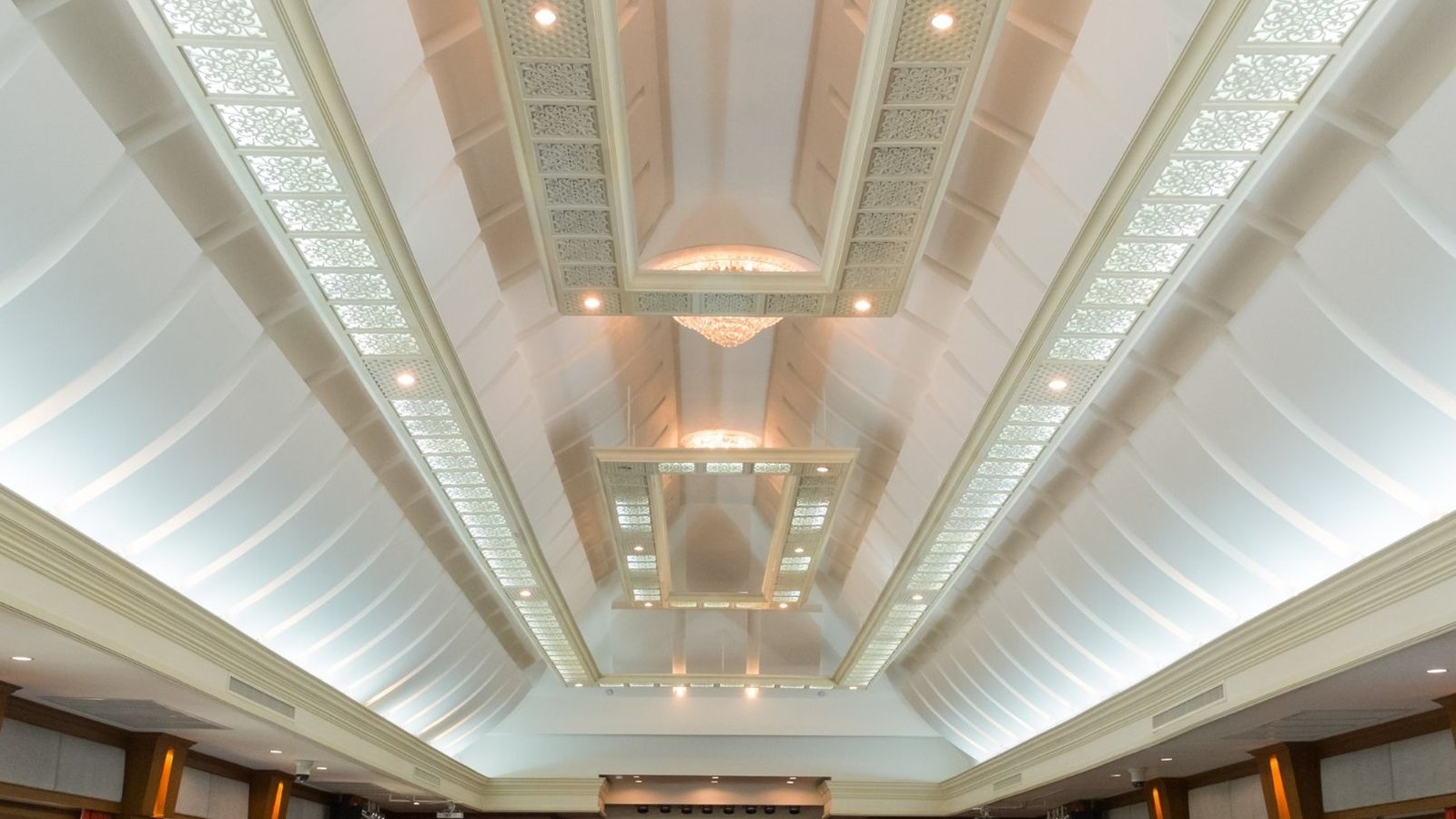
Purpose is the beginning of design. Whether a home or an office, exceptional interiors are designed based on real-life scenarios: home use, workflow, or client interaction. The footprint, circulation and zoning, public and private areas in homes, and collaborative, focus, and client zones in offices are established by purpose-led planning. This clarity minimizes wasted space, enhances comfort, and creates intuitive interior spaces.
2- Human comfort and ergonomics
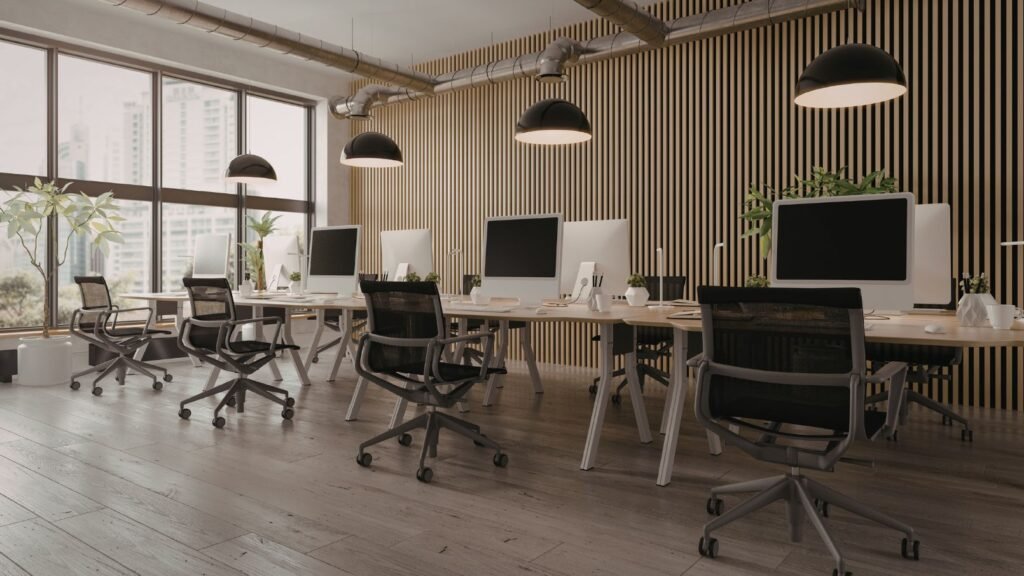
Comfort is non-negotiable. This includes furniture designed for people’s proportions, acoustics that encourage a sense of calm, and lighting that helps people be productive in the day and relaxed at night in homes. Ergonomic furniture and suitable sightlines and acoustic solutions safeguard well-being and productivity in offices. The proper design of ergonomics can help minimize user fatigue and make the user’s environment enjoyable to be in.
3- Light, color, and material harmony
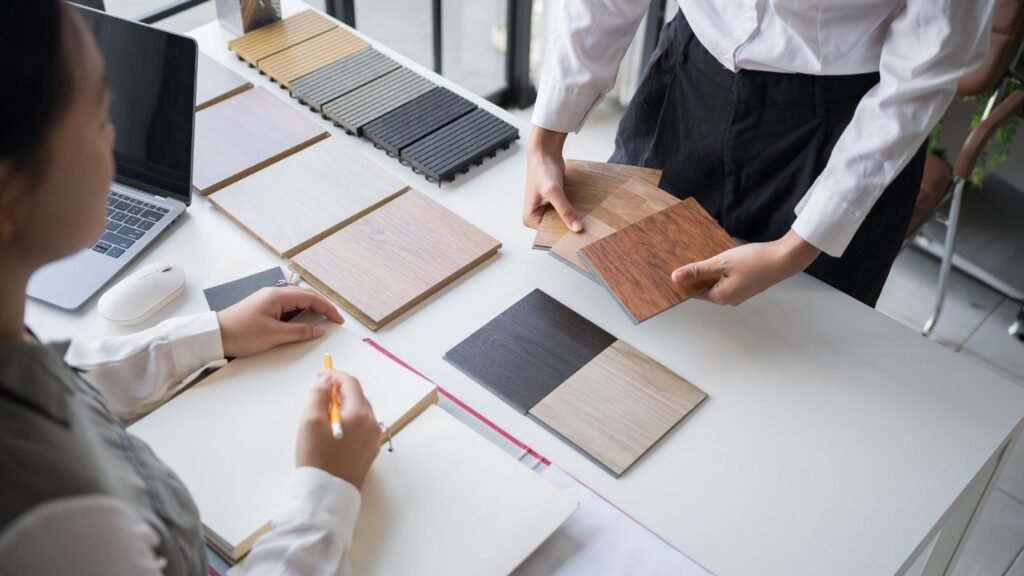
The way a space reads is determined by the natural & artificial light it has. Great designers combine daylight and layered artificial lighting (ambient, task, and accent) to create mood and to define function in luxury home interiors. Color palettes and materials are selected to complement a room’s function: warm, tactile materials are used for the comfort of the home, and durable, easy-to-clean finishes and muted colors are used for many commercial applications. Budget and sustainability are also a consideration in material selection.
4- Spatial storytelling and identity
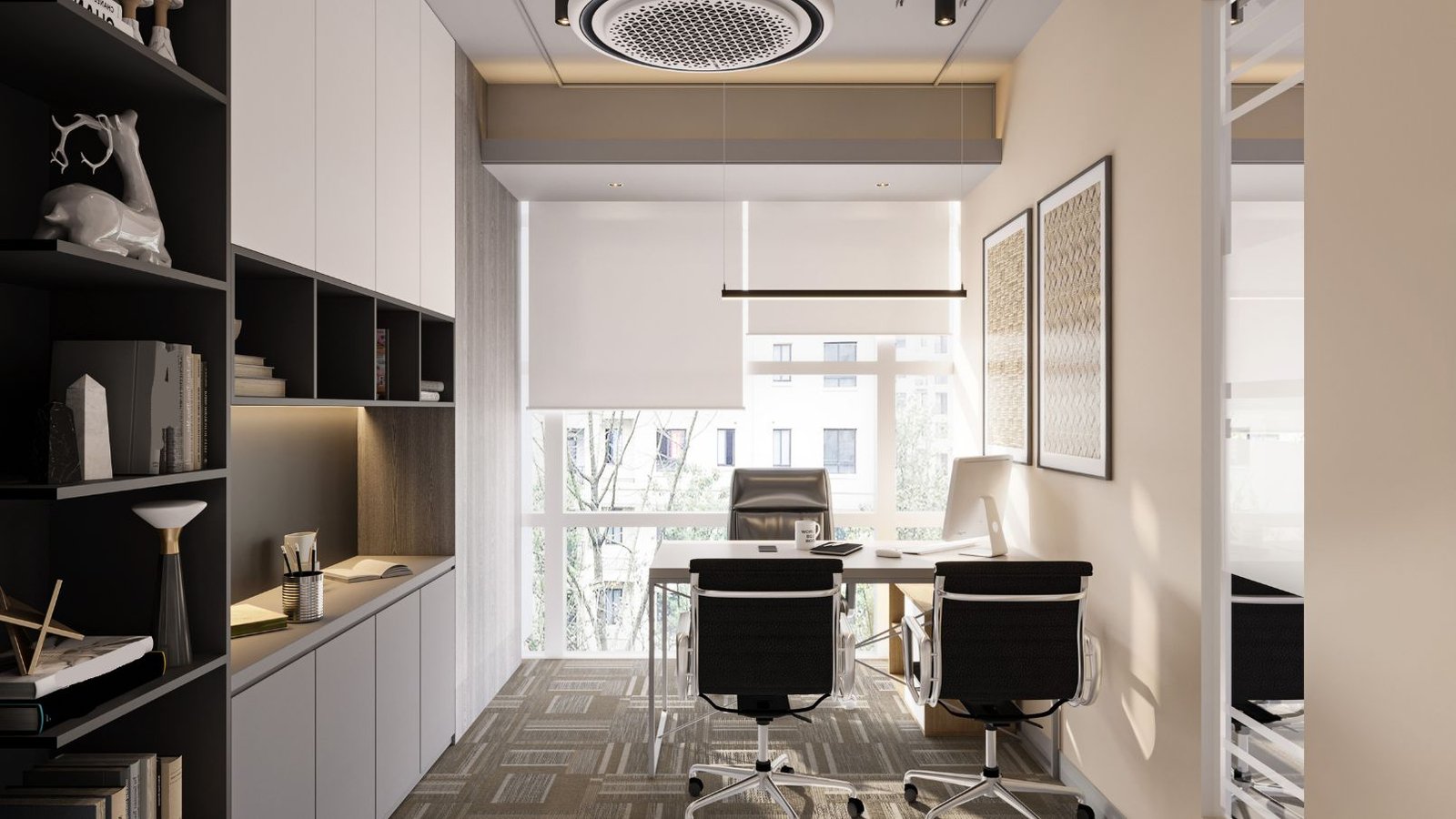
Great interiors have a solid narrative. In households, that is a tale of the residents, their memories, and their way of life. In the office, design embodies corporate culture, company values, and the attitude of the company to their clients and employees. Curated art, customized joinery, and signature finishes create a memorable and authentic space.

5- Detail, Craftsmanship and Quality
It is important to consider durability and finish. Clean lines, scale, and material transitions between rooms make polished interiors stand out from the rest. Consistency in the trim lines, precise hardware specifications, and well-done millwork all contribute to building longevity and brightening the space. This is what gives rise to the preference for hiring Delhi’s interior design firms that can take care of coordinating with design intent till its execution.
6- Flexible and future-ready solutions.
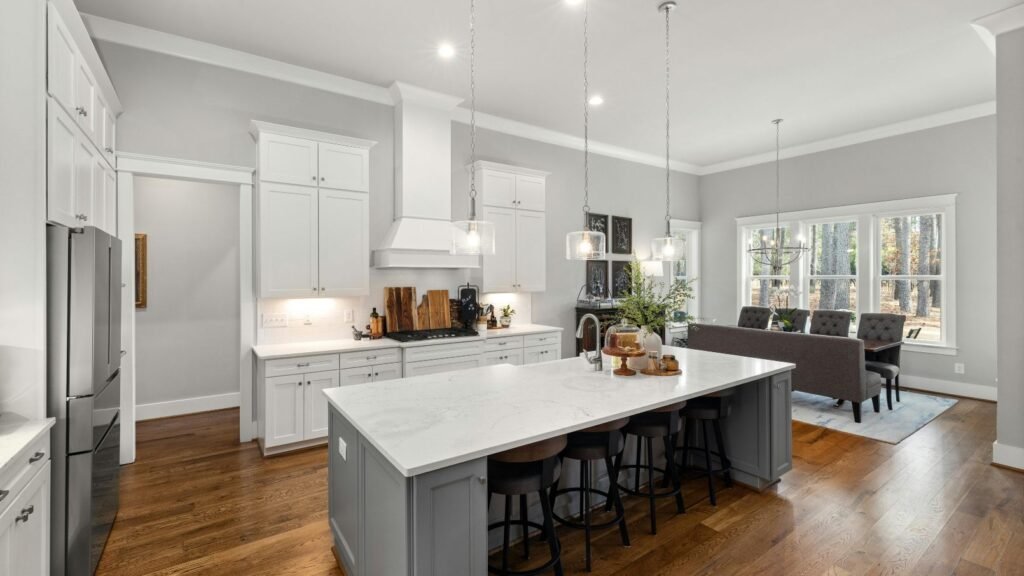
The remarkable space is future-looking. For homes, it could be flexible storage solutions, versatile spaces, or plug-and-play tech integration. Modular furniture, reconfigurable meeting spaces, and infrastructure that allows for hybrid work in an office ensure sustainability. It saves money and makes interiors relevant as needs change by designing for flexibility.
7- Sustainability and responsible sourcing
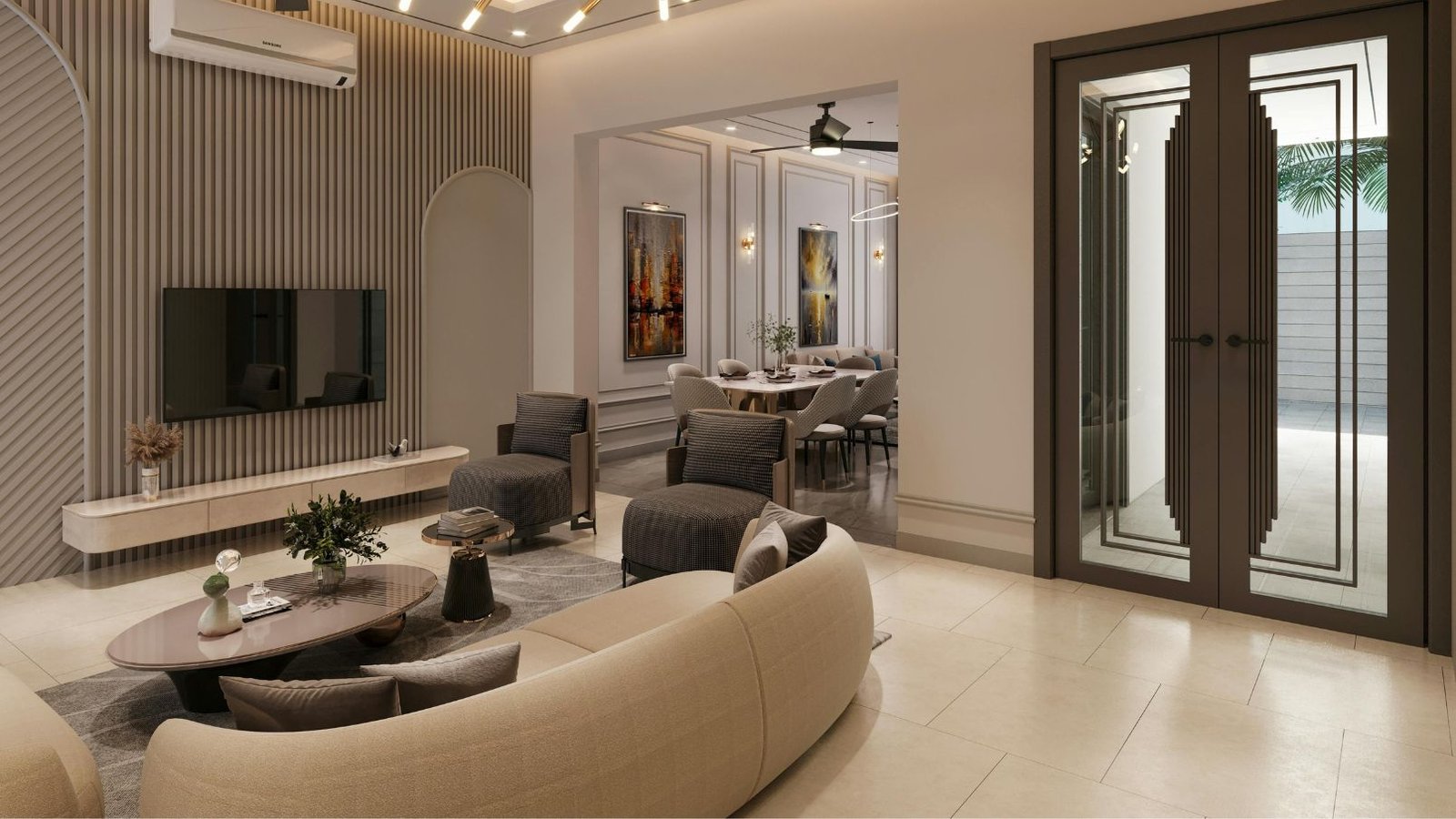
The most modern designs use eco-friendly materials, energy-efficient lighting, responsible sourcing of timber, and fit-outs using waste materials. Sustainability benefits of improving IAQ and lowering long-term costs. There is also a focus on lifecycle impacts, including materials selection to end-of-life recyclability, with leading practices.
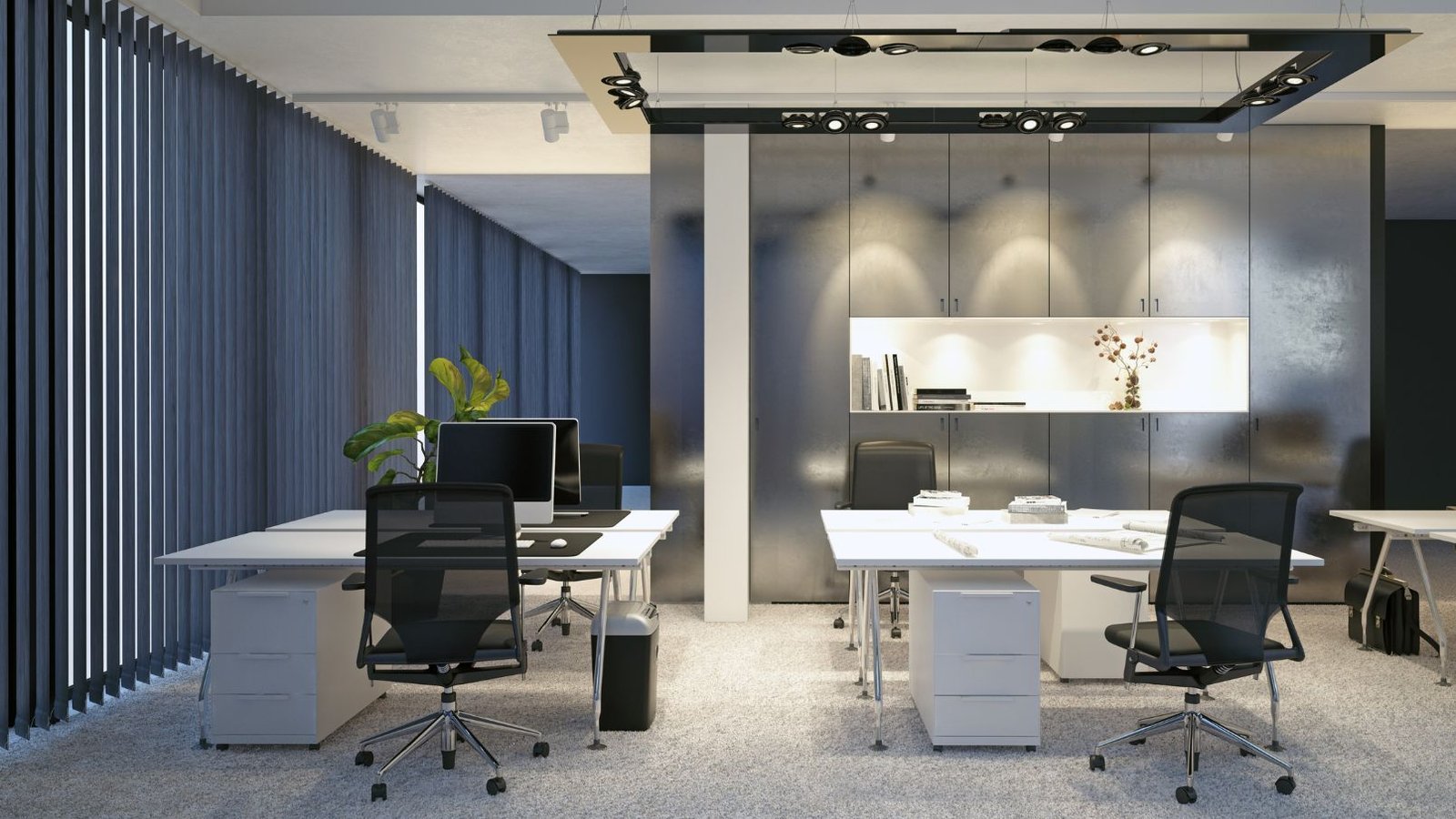
8- Integration of technology
9- Collaboration and project management
Good collaboration is key to exceptional design between designers, architects, contractors, and clients. Communication, time management, and quality control processes make sure that the design will be delivered as expected. From concept to handover, good project management ensures that budgets and design integrity are maintained.
10- Cultural and contextual sensitivity
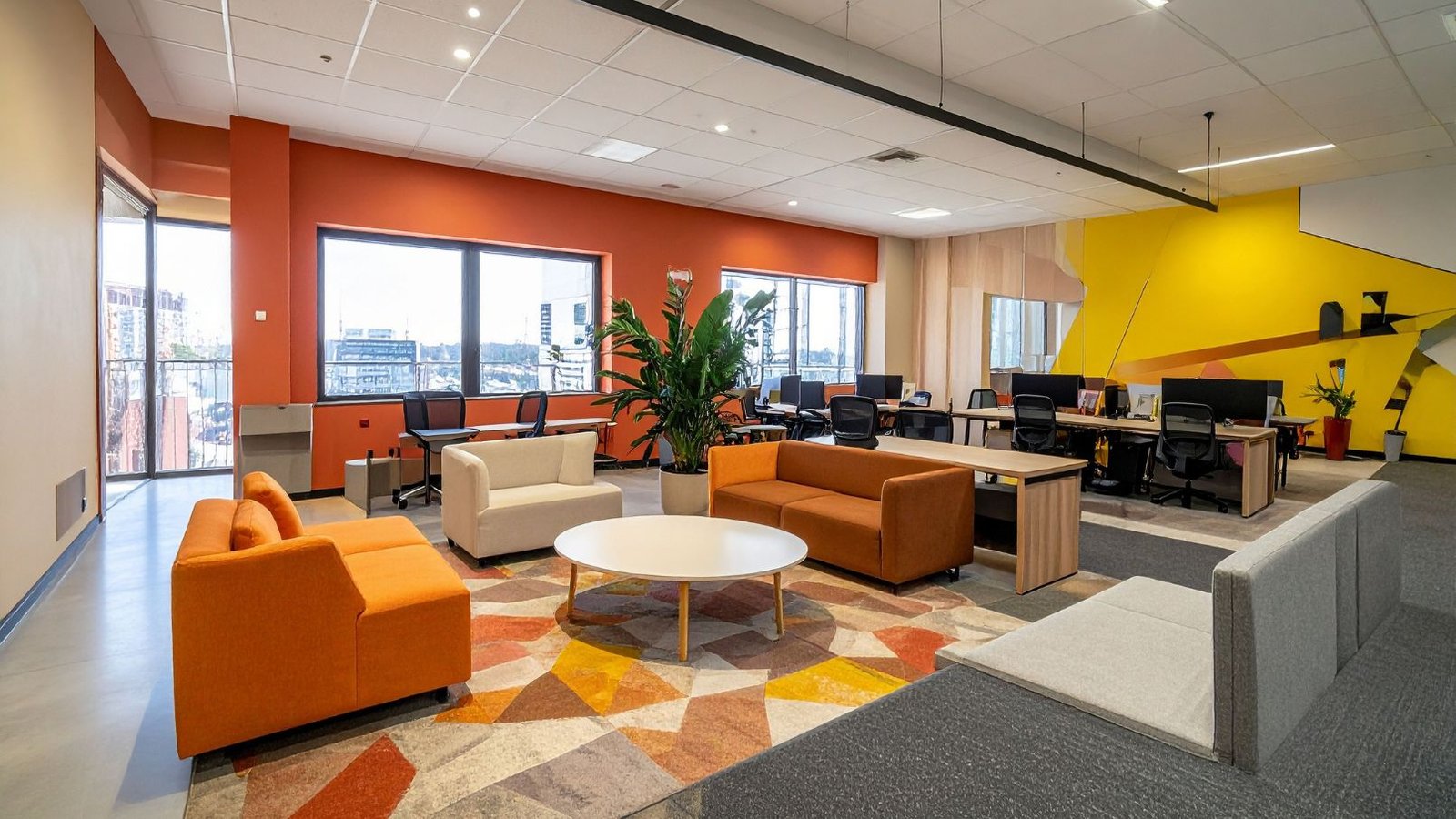
Design that is sensitive to its site, climate, craft traditions, and neighborhood character is rooted and appropriate. Sensitivity to context contributes to the ability to be at ease in the space and may decrease maintenance issues in the future, whether you’re restoring a home or building a new office.
Aesthetics and function balance.
Finally, great interior design is about combining the best of both worlds: the dream and the real. It is used to please the senses and to facilitate life. The careful combination of scale, surface, shelf space, and illumination creates appealing and functional environments.
When you’re thinking of an interior project, you should hire experienced professionals to help you get all the above. Shruti Sodhi Interior Designs has a comprehensive process of creating, detailing, and project management to create spaces that function wonderfully for humans.
Why do residential and commercial spaces need different design approaches?
How does Shruti Sodhi Interior Designs create exceptional interiors?
Every project is initiated by understanding the client through Shruti Sodhi Interior Designs about their vision, lifestyle, and functional requirements. The team creates individual design solutions that harmoniously combine creativity and functionality, rather than a “one size fits all” approach.
Every aspect is overseen with great care, from concept development and space planning to the selection of materials, the creation of custom furniture, the design of lighting, and the execution of the project. The goal, regardless of whether you’re working on an elegant residence or a sophisticated office look, is to produce interior spaces that will last, are hands down and conveniently functional, and are distinctly one-of-a-kind to the specific client. This dedication to quality craftsmanship and innovative design has contributed to Shruti Sodhi Interior Designs’ ability to create spaces that are inspiring for years to come.
Frequently Asked Questions:
Q: Why do strategies for residential projects differ from those for commercial projects?
A: Personal comfort, privacy, and expression of the client’s lifestyle are the priorities in residential design, while efficiency, brand identity, client experience, safety, and regulatory compliance are the priorities in commercial design. The various priorities impact spatial planning, finishes, durability, and technology integration.
Q: How do I choose between a custom and off-the-shelf solution for my project?
A: Select custom options for special features, storage optimizations, or a premium appearance. Standard products can deliver cost savings and time to market. A combination of the two is usually a good mix of personality and practicality.
Q: How long does a typical interior design project take from concept to handover?
A: Residential projects generally require 3 to 9 months, depending on the project’s scope; commercial fit-outs typically will take 2 months (small) to 12+ months (complex) based on approval and services. The timing of projects relies greatly on procurement and contract scheduling.
Q: What should I budget for professional interior design services?
A: The budgets can be different depending on the scale, finishes, and location. Many companies offer a flat rate, hourly rate, or percentage of the project. Bespoke joinery and high-quality finishes will be more expensive. Request staged solutions to match ambitions to budget.
Q: How do I find a reliable interior design partner in Delhi?

Shruti Sodhi Interior Designs
SSID is the official author profile of Shruti Sodhi Interior Designs (SSID), a luxury interior design firm based in Delhi NCR. Through our blogs, we share expert insights, design trends, and practical tips to inspire beautiful, functional, and timeless interiors. Our mission is to make every space reflect elegance, comfort, and individuality.


Read recent articles
How to Combine Wood, Stone, and Marble in a Luxury Home
How to Plan a Luxury Home Renovation for the New Year
Why Warm Browns & Earthy Colors Are Trending in 2026