





How to Plan a Luxury Home Renovation for the New Year
The New Year often brings a desire for change, and the home is one of the most meaningful places to begin. A renovation is not simply about replacing old finishes or introducing new furniture. It is an opportunity to rethink how each room looks, feels, and functions, while creating a home that reflects the way you want to live in the year ahead.
A well-planned renovation can bring together architecture, materials, lighting, furniture, and styling in a way that feels cohesive rather than overly decorated. Whether you are refreshing a few spaces or reworking the entire home, starting with a clear vision can make the process more organized and the final result more rewarding.

Why the New Year Is a Good Time to Renovate Your Home
The beginning of the year is a natural point to reassess how your home works for you. Working with experienced interior design firms in Delhi can help homeowners evaluate existing spaces, identify opportunities for improvement, and establish a design direction that works for both lifestyle and aesthetics.
It is also a useful opportunity to establish a clear design direction before making individual decisions. Instead of choosing furniture, colors, or finishes separately, homeowners can look at the home as a complete environment and decide what needs to change and why.
The key is to avoid treating renovation as a series of isolated upgrades. A considered approach allows every change to contribute to a larger visual and functional plan.
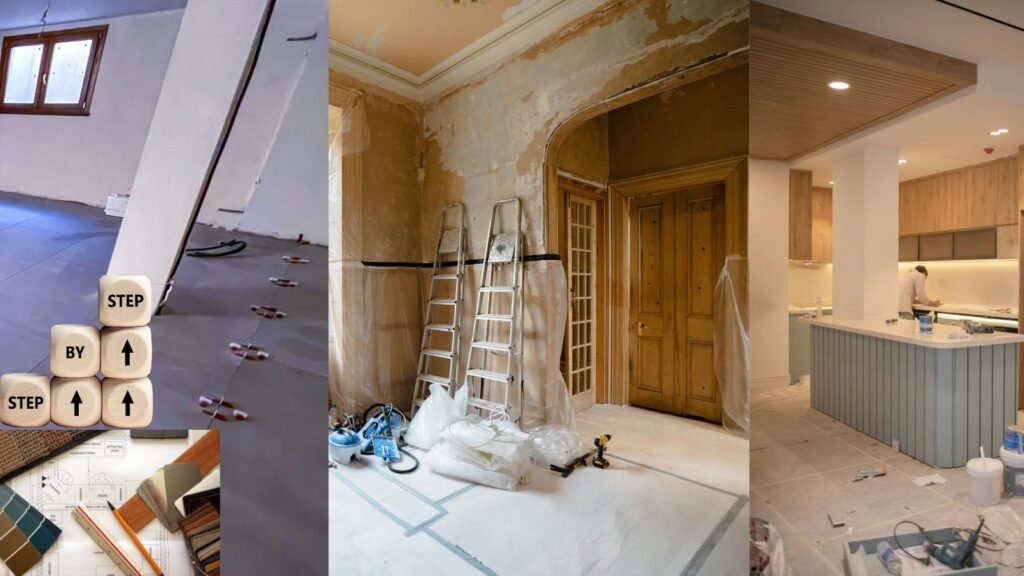
How to Plan a Luxury Home Renovation Step by Step
Good renovation planning begins well before any demolition or installation. Start by assessing the existing home, identifying what works, what does not, and which changes will have the greatest impact on everyday living.
Create a room-by-room brief covering layout requirements, storage, lighting, furniture, materials, and any architectural changes. A detailed interior design project checklist can help organize these decisions and ensure important details are not overlooked during the process.
It is also useful to establish priorities early. Structural changes, electrical work, plumbing, flooring, and built-in elements usually need to be planned before decorative details. This creates a logical sequence and reduces the possibility of making expensive changes later.
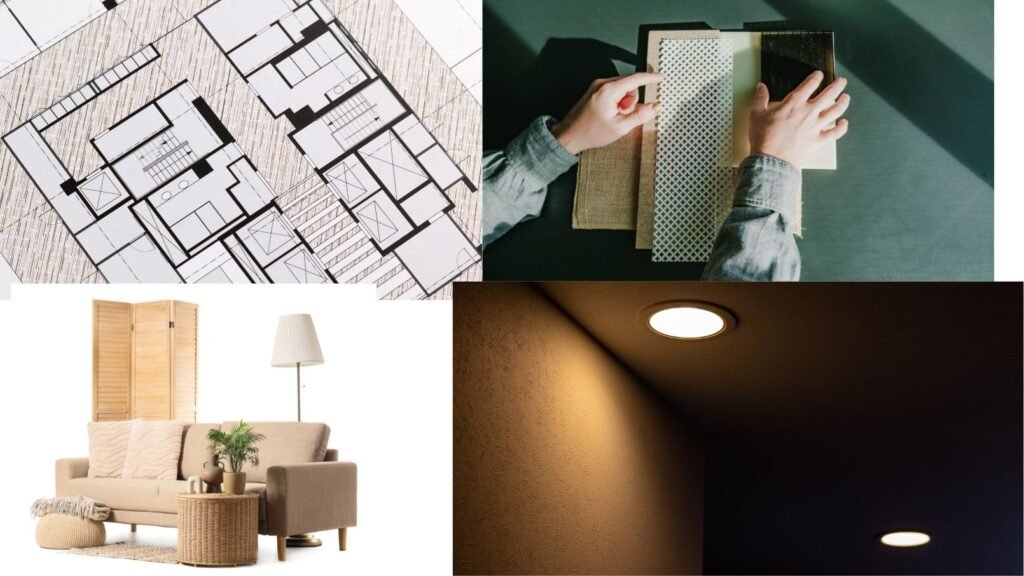
Keep These Elements in Your Initial Plan
- Layout: Identify spaces that need better circulation or a more functional arrangement.
- Storage: Assess where additional or integrated storage could improve everyday use.
- Lighting: Plan ambient, task, and accent lighting according to each room’s purpose.
- Materials: Establish a coordinated palette before selecting individual finishes.
- Furniture: Consider dimensions, placement, and whether custom pieces are required.
Decide Which Areas of Your Home Need Renovation
Not every room necessarily needs a complete makeover. Begin by identifying the spaces that have the greatest functional or visual shortcomings. For some homes, this may be the kitchen and living room, while others may benefit more from redesigned bedrooms, bathrooms, entryways, or storage areas.
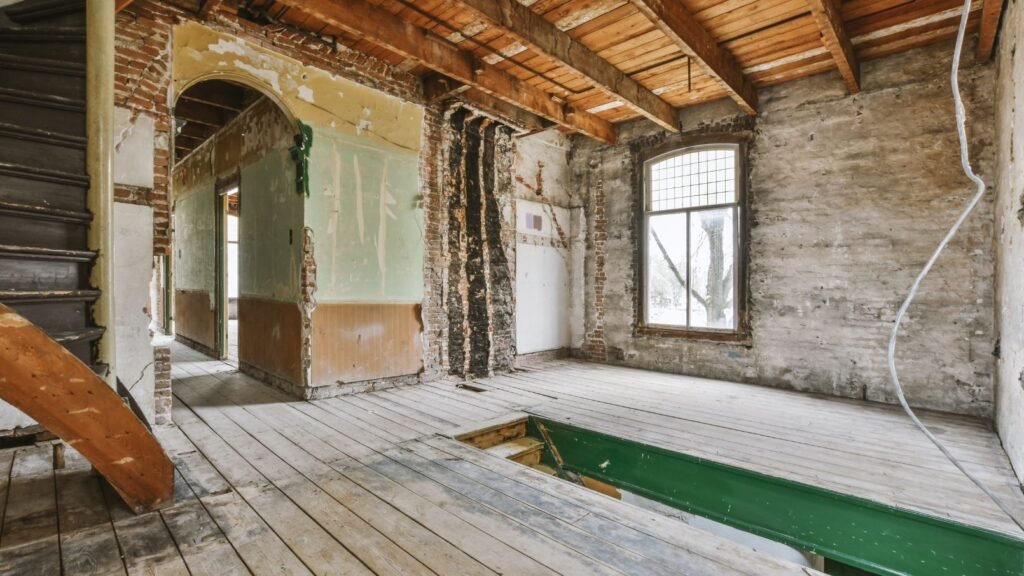
A thoughtful renovation can also improve how different areas connect with one another. Open layouts, better circulation, integrated storage, and carefully considered transitions can make a home feel more spacious without necessarily increasing its footprint.
For homeowners looking for a complete residential transformation, residential interior designs can help bring together planning, aesthetics, and functionality across different areas.
Ask These Questions Before Deciding
- Does the current layout work for your lifestyle?
- Are there spaces that feel underused?
- Is there enough storage for everyday needs?
- Do the lighting and electrical points support how the rooms are used?
- Would built-in furniture make better use of available space?
Create a Design Vision Before Renovating
Before finalizing layouts, finishes, or furniture, take time to define the overall look and feel you want for your home. This is where home renovation ideas can help shape the initial direction, from rethinking room layouts and storage to introducing new textures, colors, or architectural details.
Rather than following trends room by room, consider how these choices will work together across the home. A consistent design vision makes it easier to decide which changes are worth pursuing and which ones may not complement the overall character of the space.

Set Your Renovation Budget and Priorities
A realistic budget provides a framework for making design decisions. Instead of allocating the same amount to every room, consider which changes will have the greatest long-term value and which details are most important to your lifestyle.
Effective home renovation planning also means separating essential work from desirable upgrades. Structural modifications and electrical and plumbing work should generally take priority, while decorative additions can be considered once the core requirements are established.
It is also wise to keep a contingency amount for unexpected site conditions or changes that may arise during execution. This provides greater flexibility if requirements change during the renovation.
Renovation Priority
What to Consider
Structural work
Layout changes, walls, ceilings, and major modifications
Electrical and plumbing
Wiring, lighting points, switches, and plumbing requirements
Flooring and finishes
Materials, durability, and installation requirements
Furniture and storage
Built-ins, loose furniture, and storage solutions
Decorative details
Artwork, accessories, soft furnishings, and styling
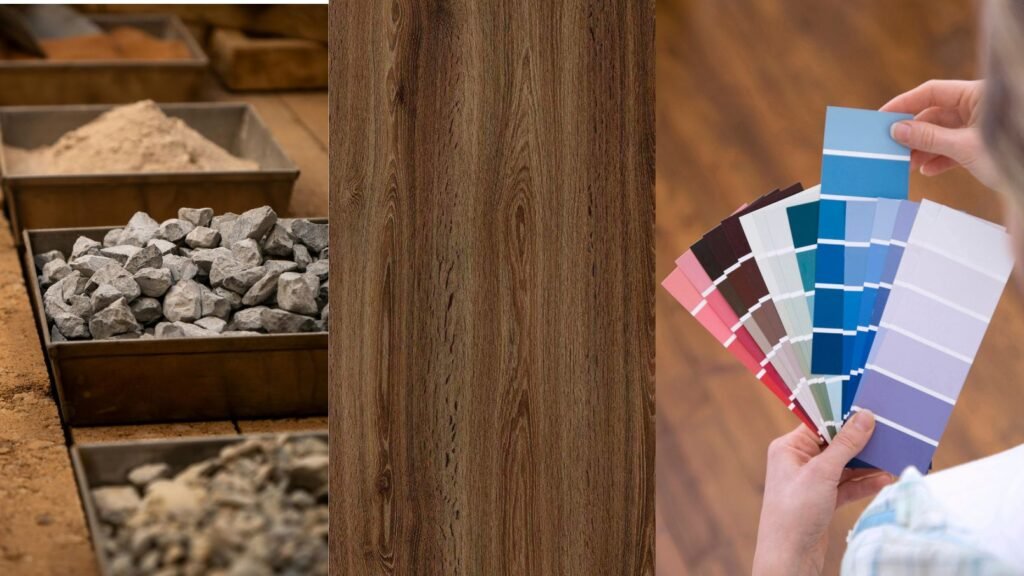
Choose Materials, Finishes, and Colors Carefully
Materials have a significant influence on the character of a home. Natural stone, wood, metal, glass, textured surfaces, and carefully selected fabrics can create depth and visual interest when used in the right proportions.
A considered luxury interior design approach looks beyond individual finishes and considers how materials, colors, and textures work together throughout the home. The objective is to create visual richness without making every room compete for attention.
Rather than selecting every finish independently, develop a material palette that works throughout the home. Repeating certain textures, tones, or finishes across connected spaces can create continuity while still allowing each room to have its own personality.
Consider Before Finalizing Materials
- Durability: Will the material withstand everyday use?
- Maintenance: How much care will it require over time?
- Scale: Does its pattern or texture suit the size of the room?
- Color: Does it complement the wider palette?
- Continuity: Does it work with materials used in adjoining spaces?
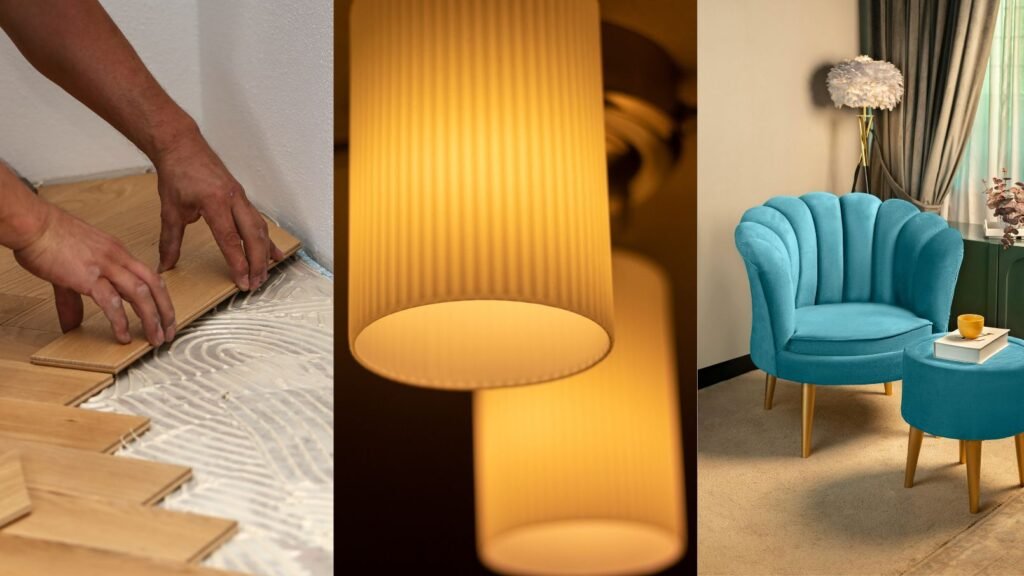
Plan Flooring, Lighting, and Furniture Together
Flooring, lighting, and furniture should not be treated as separate stages of design. Their relationship influences scale, movement, proportion, and the overall atmosphere of a room.
For example, the flooring selected for a large living space can affect how furniture is arranged, while lighting can highlight particular textures, artwork, or architectural features. Thinking about these elements together creates a more cohesive result.
Flooring should be selected according to durability, maintenance requirements, visual continuity, and how well it works with the furniture and lighting scheme. For example, a flooring material that looks beautiful on its own may not always complement the overall design or suit the practical needs of the room. Explore our guide on Choosing the Right Floor Option for more information on selecting flooring that balances style and functionality.
Custom Furniture vs Ready-Made Furniture for a Renovated Home
Furniture plays an important role in defining both the comfort and character of a renovated home. Ready-made pieces can work well where standard dimensions and flexible styling are suitable, but some spaces require furniture designed specifically around their proportions and storage needs.
Built-in wardrobes, media units, study desks, dressing areas, and storage solutions can be tailored to the architecture of the room. This can be particularly useful in homes where every inch needs to be used thoughtfully.
For spaces that require a more personalized approach, bespoke furniture design allows proportions, materials, finishes, and storage requirements to be developed around the home rather than adapting the room around an existing piece.
When Custom Furniture May Be the Better Choice
- The room has unusual dimensions.
- Storage needs are specific to your lifestyle.
- You want furniture to integrate with the architecture.
- Standard furniture does not provide the desired proportions.
- You want greater control over materials and finishes.

Common Mistakes to Avoid During a Home Renovation
One common mistake is beginning work without a sufficiently detailed plan. Changing layouts or finishes midway through execution can affect timelines, budgets, and decisions that have already been made.
Another issue is focusing too heavily on appearance while overlooking functionality. A beautiful room still needs adequate storage, comfortable circulation, appropriate lighting, and furniture that supports everyday use.
Avoid selecting individual elements simply because they look attractive on their own. They need to work together as part of the overall design. Keeping a clear material palette and reviewing every major decision against the original design direction can help avoid common interior design mistakes.
Watch Out for These Common Issues
- Making layout changes after execution has started
- Choosing finishes without considering maintenance
- Underestimating storage requirements
- Selecting furniture without checking proportions
- Treating lighting as an afterthought
- Following trends without considering the home’s overall character

When Should You Hire an Interior Design Firm?
Hiring a professional early can be particularly useful when a renovation involves multiple rooms, structural changes, custom furniture, or several contractors and vendors. Professional planning can help bring these different aspects together instead of treating them as separate decisions.
An interior designer can also help homeowners assess layouts, materials, lighting, furniture proportions, and finishes before execution begins. This is especially valuable when the goal is to create a cohesive home rather than simply update individual rooms.
For homeowners seeking a coordinated design approach from concept through execution, luxury interior design services can provide the expertise required to develop a refined and functional renovation plan.
How Shruti Sodhi Interior Designs Helps in a Luxury Home Renovation
A successful renovation is ultimately about more than selecting beautiful materials. It requires an understanding of how the home will be used, how spaces relate to one another, and how every design decision contributes to the overall experience.
Shruti Sodhi Interior Designs brings together spatial planning, materials, lighting, furniture, and detailing to create homes that feel considered and individual. From developing the initial design direction to refining the smaller elements, each decision can be evaluated as part of the larger vision.
With professional guidance, a luxury home renovation can become an opportunity to create a home that feels more functional, personal, and visually cohesive, rather than simply newer.
Conclusion
A luxury home renovation is an opportunity to create a home that feels more considered, functional, and personal. By defining your priorities, planning each stage carefully, and making design decisions as a whole, you can create spaces that look refined while supporting everyday living. With the right professional guidance, the New Year can be the perfect time to turn your vision for your home into a thoughtfully designed reality.
Frequently Asked Questions:
1. What should I consider before starting a luxury home renovation?
Begin by assessing your home’s existing layout, functionality, storage requirements, materials, and lighting. Establishing priorities and a clear design direction before work begins can make the renovation more efficient.
2. How long does a luxury home renovation usually take?
The timeline depends on the size of the property, the extent of structural changes, custom furniture requirements, and the complexity of materials and finishes. A detailed plan can help establish a realistic schedule before work begins.
3. Should flooring be selected before furniture?
Flooring and furniture are best considered together. Their colors, proportions, textures, and finishes should complement each other while also working with the lighting plan.
4. Is custom furniture worth considering during a renovation?
Custom furniture can be particularly useful when a room has unusual dimensions, specific storage requirements, or a strong design direction. It allows the furniture to be developed around the space instead of relying solely on standard sizes.
5. How can I avoid going over budget during a renovation?
Set priorities before work begins, establish a realistic budget, and maintain a contingency amount for unexpected expenses. Finalizing major materials, finishes, and furniture requirements early can also reduce costly changes.
A successful New Year renovation starts with clarity. When planning, materials, functionality, and aesthetics are considered together, the result can be a home that feels cohesive, comfortable, and distinctly personal
For professional, tailored interior design solutions that bring your vision to life, contact-us today and let’s create the space you’ve always dreamed of!

Shruti Sodhi
Shruti Sodhi is the Founder and Principal Designer of Shruti Sodhi Interior Designs, a leading luxury interior design firm in Delhi NCR. She specializes in commercial, residential, and hospitality interiors, creating elegant, functional, and timeless spaces that reflect style and individuality.