




Veneer vs Laminate: Which Is Better for Modern Luxury Interiors?
Understanding Veneer and Laminate
The veneer vs laminate controversy can begin with a fundamental lack of understanding about what these materials are. Veneer is a thin slice of real wood, typically under a millimeter thick, which is applied over a base material such as plywood or MDF to create the appearance of real wood, with the grain and look of the real wood. This is where laminate comes in: It is a synthetic material composed of layers of paper impregnated with resin and compressed under extreme pressure, but with the surface appearance of wood, stone, or other material.
Both materials can be used for the same general application (surface protection and enhancement of furniture), but the decision to use one or the other may depend on the budget, aesthetic vision, and the intended daily use of the furniture. This is where home interior designers in Delhi can make a difference. They can help you find the right material for each piece of furniture, considering its placement, usage, and the overall design of the home.
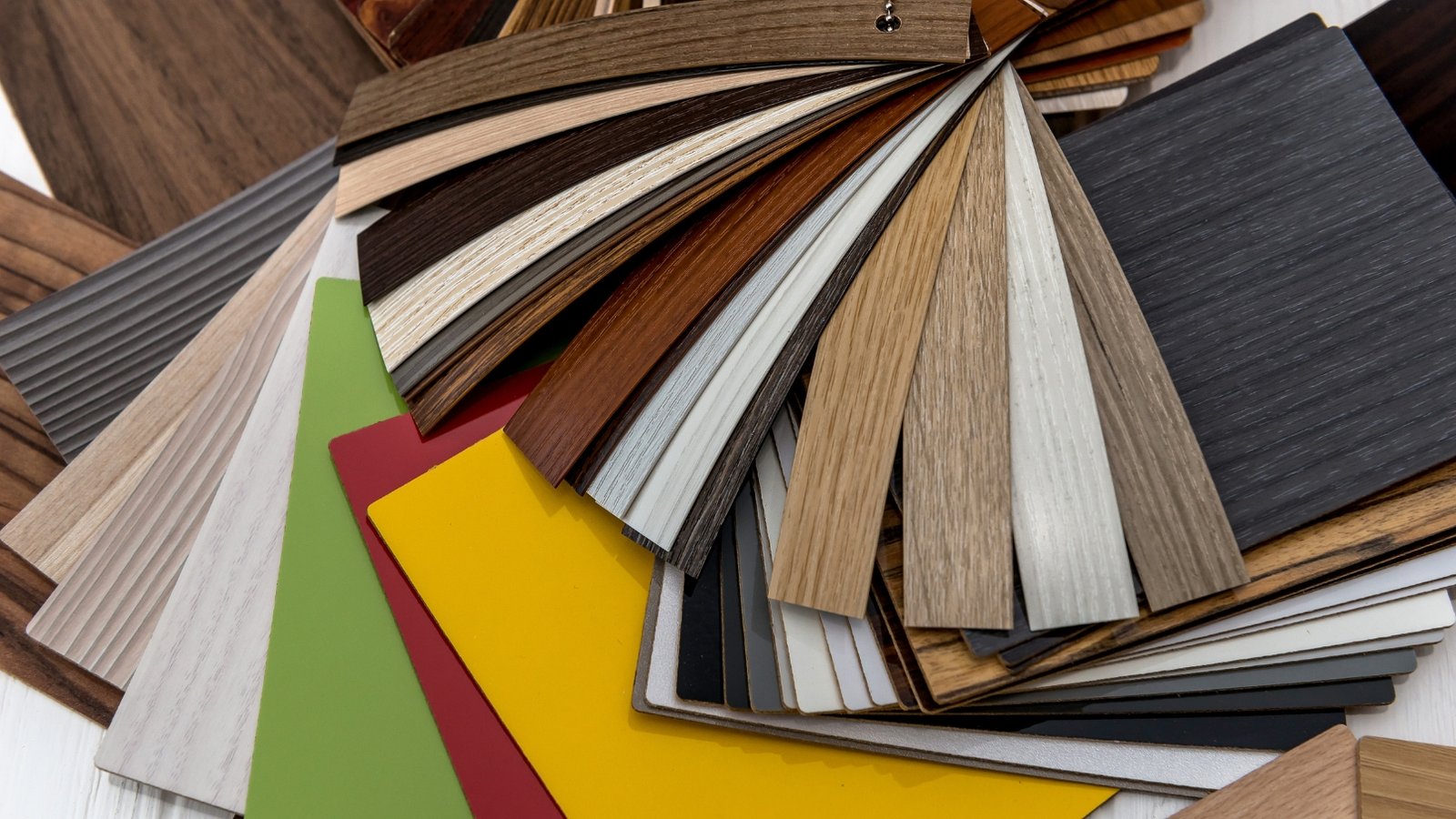
Key Differences Between Veneer and Laminate
When considering your options, it can be helpful to consult luxury interior design services that have worked with veneer and laminate across different room settings. Their experience can provide insights that may not be clear from a material swatch alone, such as how a finish performs in a humid kitchen or a dry study.
Aesthetic Appeal: Which Material Looks More Premium?
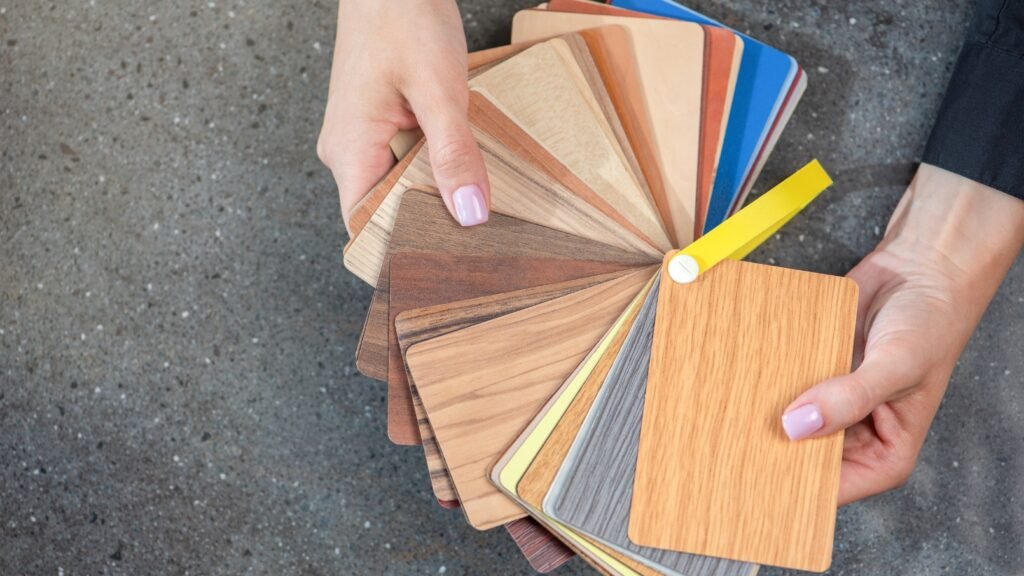
From a purely aesthetic point of view, natural wood veneer is usually the more expensive choice as it will have a grain pattern, color depth, and texture that is like real wood which no synthetic material can really match. It’s a popular feature for a decorative focal point such as feature walls, study units, dining tables, etc., where the natural variation is part of the design narrative. In recent years, however, laminate has made huge strides in closing this gap, and today, high-definition and textured laminate finishes can closely replicate the appearance and even the tactile qualities of real wood.
Catalogue images may not give you a true sense of these material options, so it’s best to fly off the shelves and look at real projects to get the full picture. Here are a few of the interior finishes we’ve used successfully on our project page to give you a better idea of how veneer and laminate will look in the real world.
If the furniture is used heavily every day, such as wardrobe shutters, kitchen cabinets, or study desks, then durability is more important than the finish. When sealed and cared for properly, quality veneer sheets can endure for decades and can become richer and more patinated with age, just like any solid wood furniture. Laminate, on the other hand, seems to have a more uniform look over its lifetime but lacks the dynamic qualities that natural materials can have.
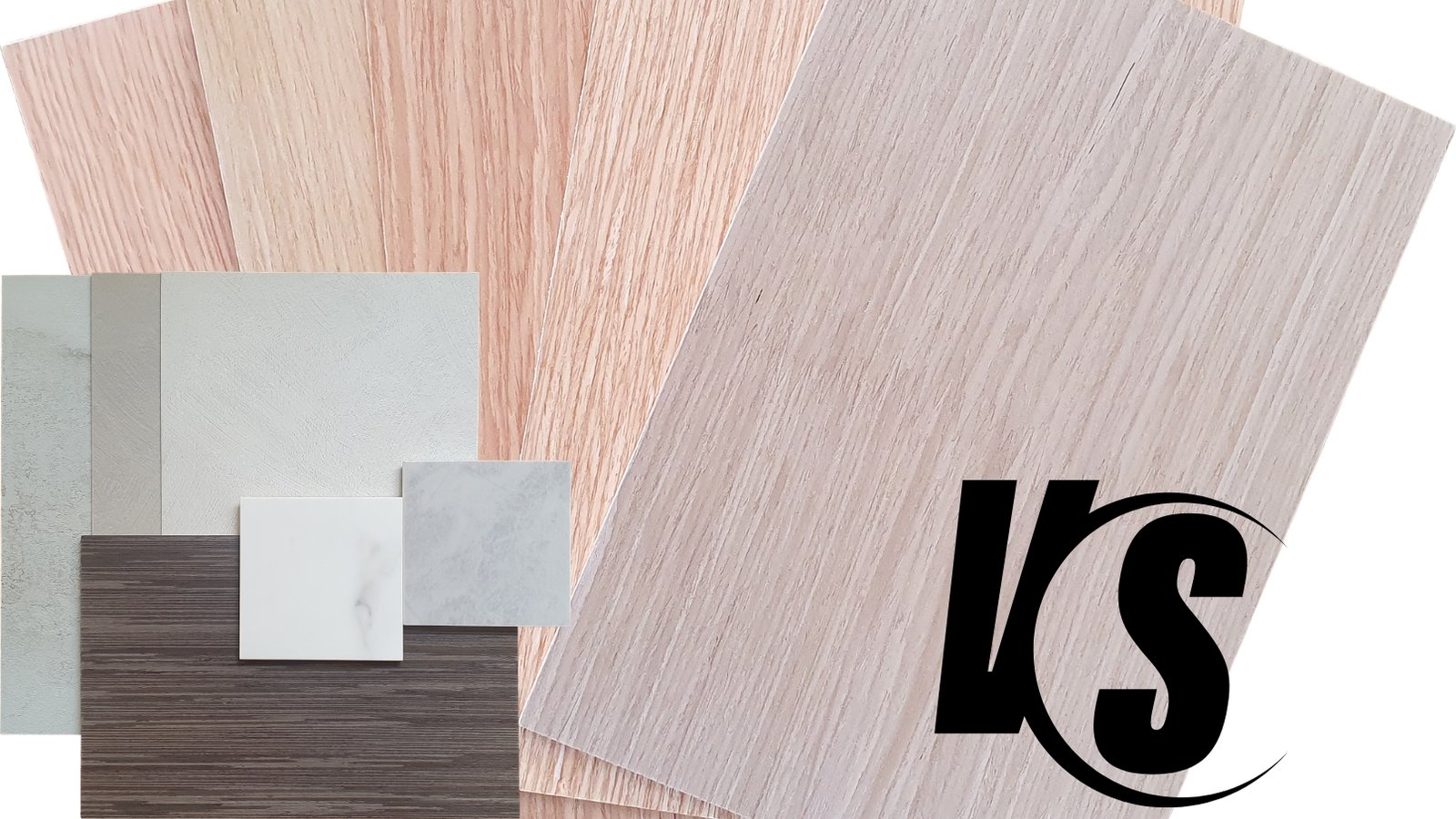
Veneer vs Laminate: A Side-by-Side Comparison
Factor | Veneer | Laminate |
Appearance | Natural wood grain | Wide range of finishes |
Durability | Good with proper care | Generally highly practical |
Maintenance | Higher | Lower |
Design flexibility | Natural variations | Extensive colours and patterns |
Refinishing | Can often be refinished | Generally cannot be refinished in the same way |
Cost | Usually higher | Usually more budget-friendly |
Best suited for | Feature furniture and premium spaces | High-use furniture and practical applications |
Discover how high-quality materials are assembled into real homes.
It’s easier to make a decision when you see the materials in a finished home. Explore our luxury residential interior design projects and learn how veneer, laminate, marble, and other high-end finishes have been used and considered in beautiful living spaces.
Which One Should You Choose?
The decision between veneer and laminate isn’t a one-size-fits-all scenario; it depends on your budget, the type of furniture you’re looking at, and the level of maintenance you’re ready to do. In low-use areas, such as a living room or study, veneer can be worth the additional investment because of the beauty and authenticity it provides. In areas such as kitchens, utility rooms, or children’s rooms, where laminate is subject to high usage, it is typically more practical and convenient to maintain. Far too many houses use a combination of them, rather than one material for the entire house.
Which Is Better for Different Areas of the Home?
Living Room
Veneer can be a great choice for focal points such as statement furniture, TV units, feature walls, and other applications where the natural beauty of wood can be enhanced.
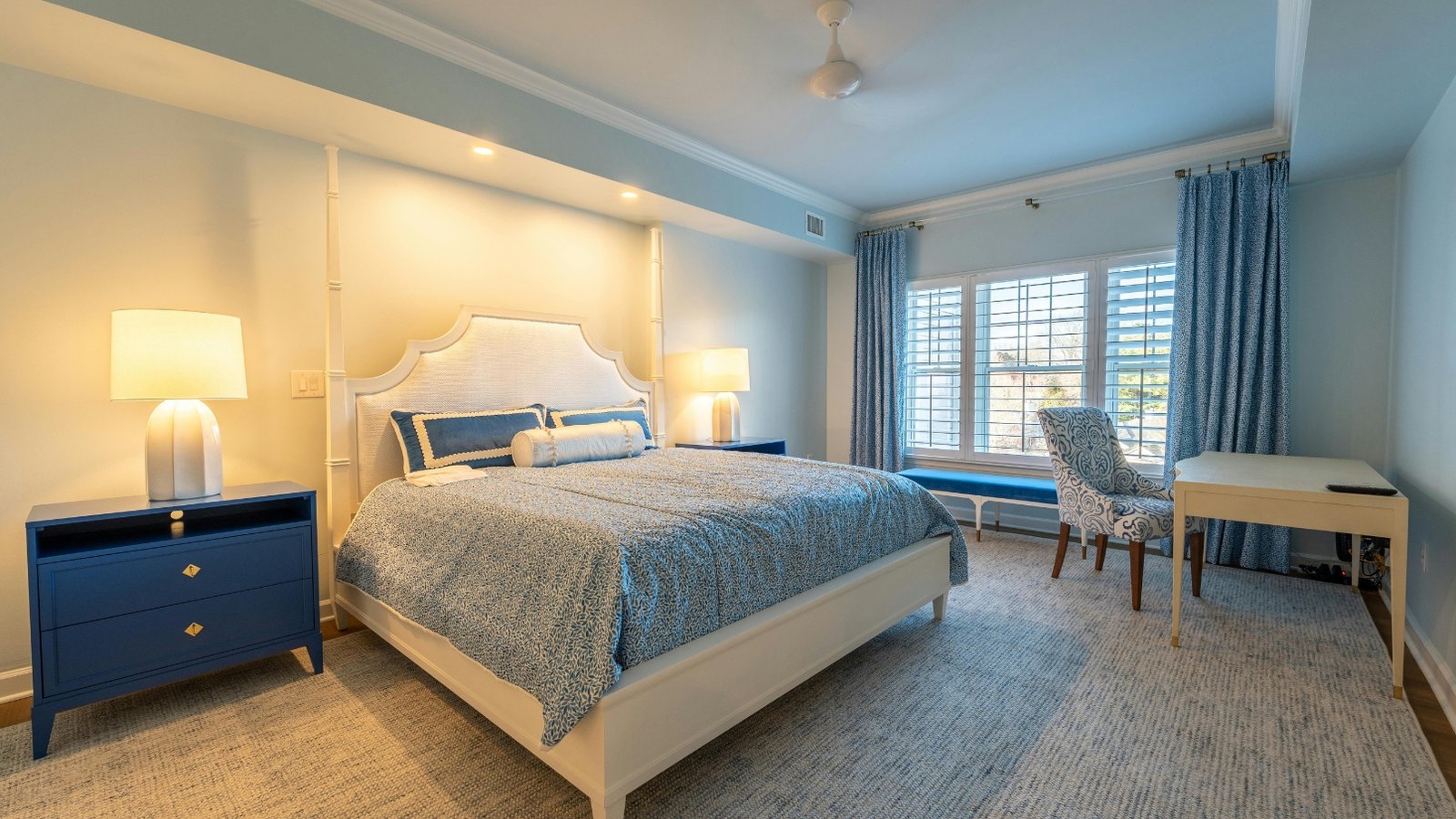
Bedroom
Bedroom furniture such as wardrobes, bedside units, study furniture, and more can be made to look warm, rich, and deep by using veneer. Laminate, on the other hand, can be a practical option where easy upkeep and a consistent finish are priorities.
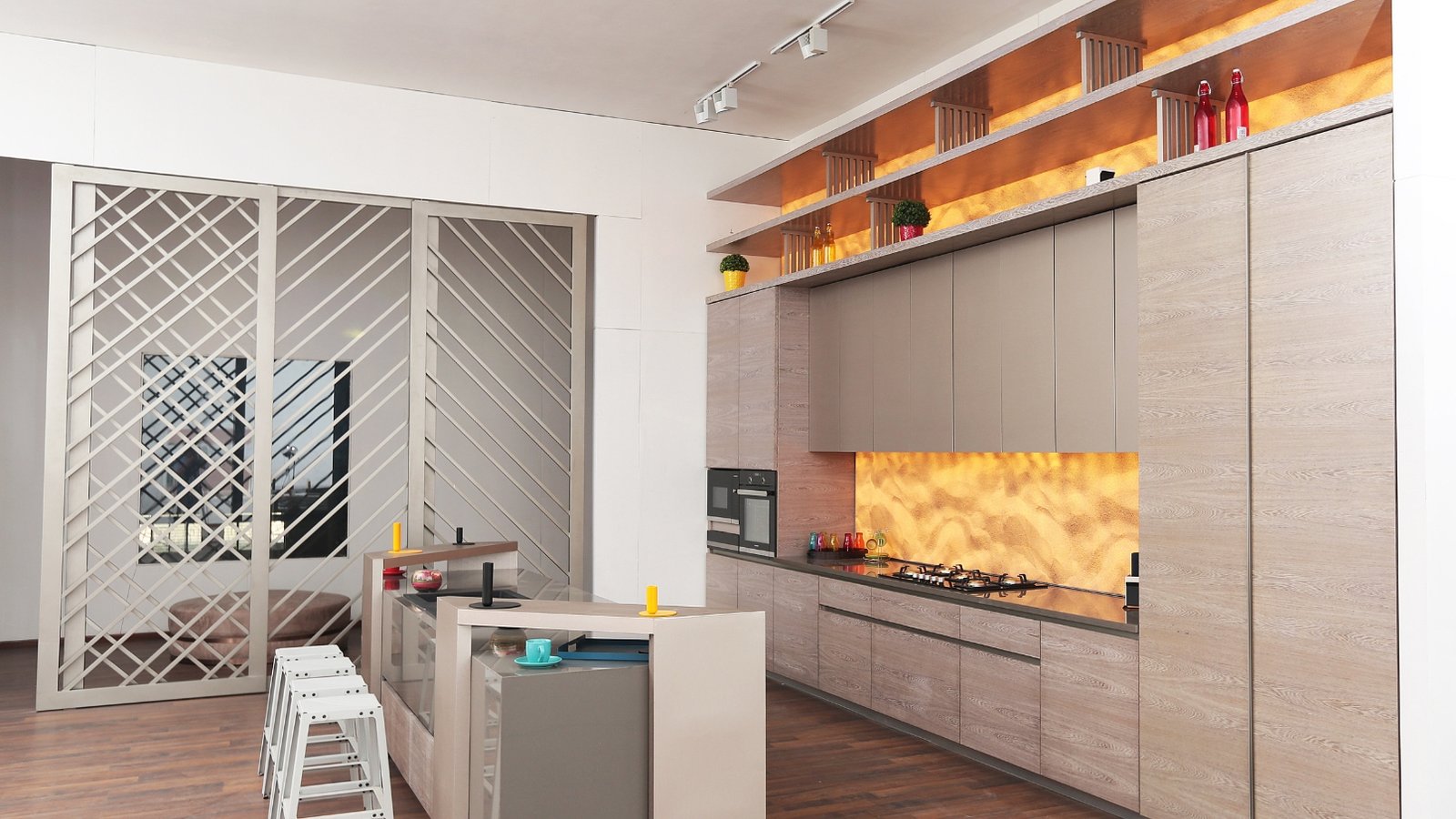
Kitchen
Depending on the specific specifications and installation, laminate can be the more practical choice for kitchen cabinets. Its easy-to-clean surface can be beneficial in an area that is frequently cleaned, exposed to spills, and used daily.
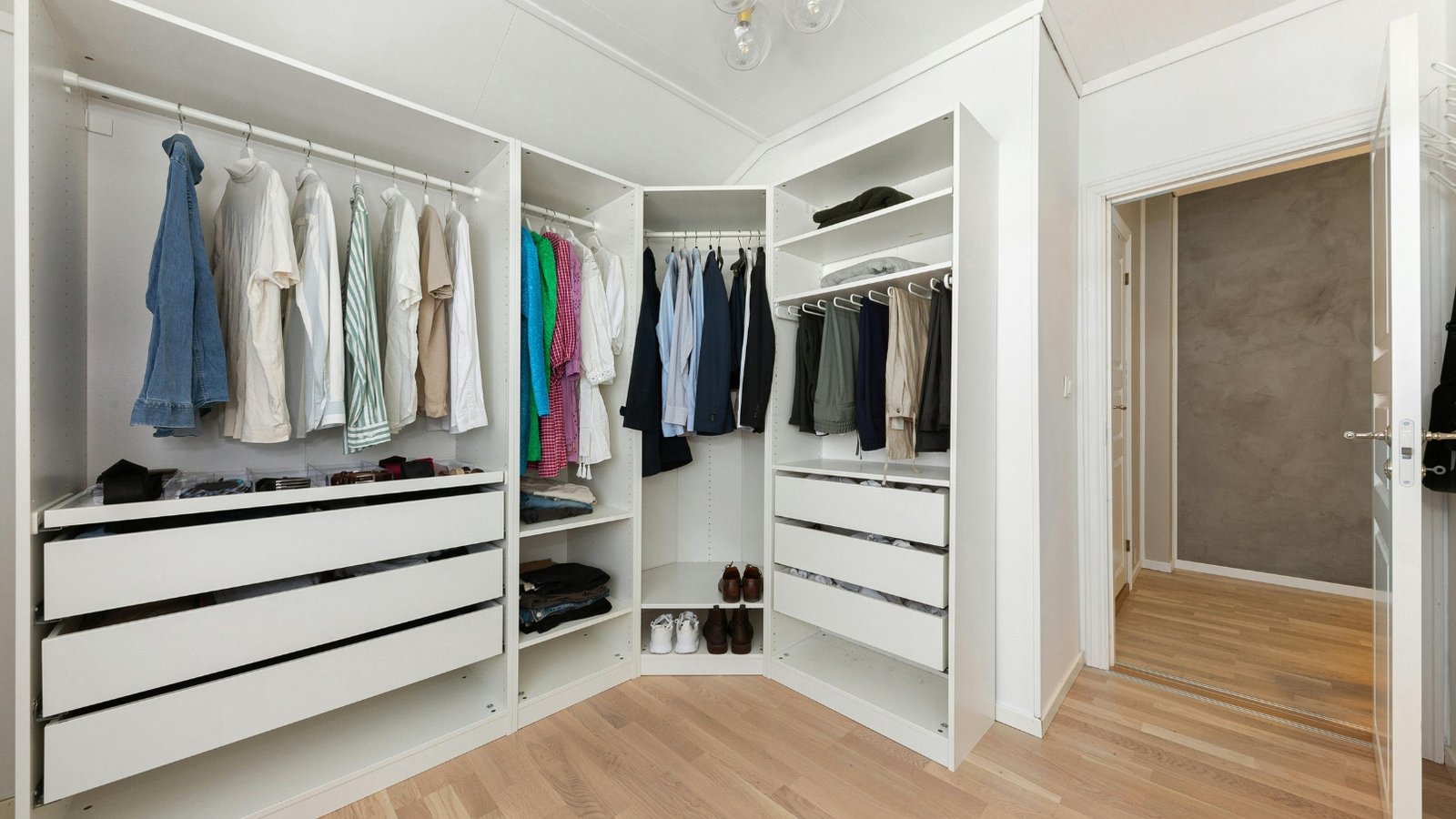
Wardrobes
Both materials can work well for wardrobes. The choice depends on style, function, maintenance requirements, and the overall design of the bedroom.
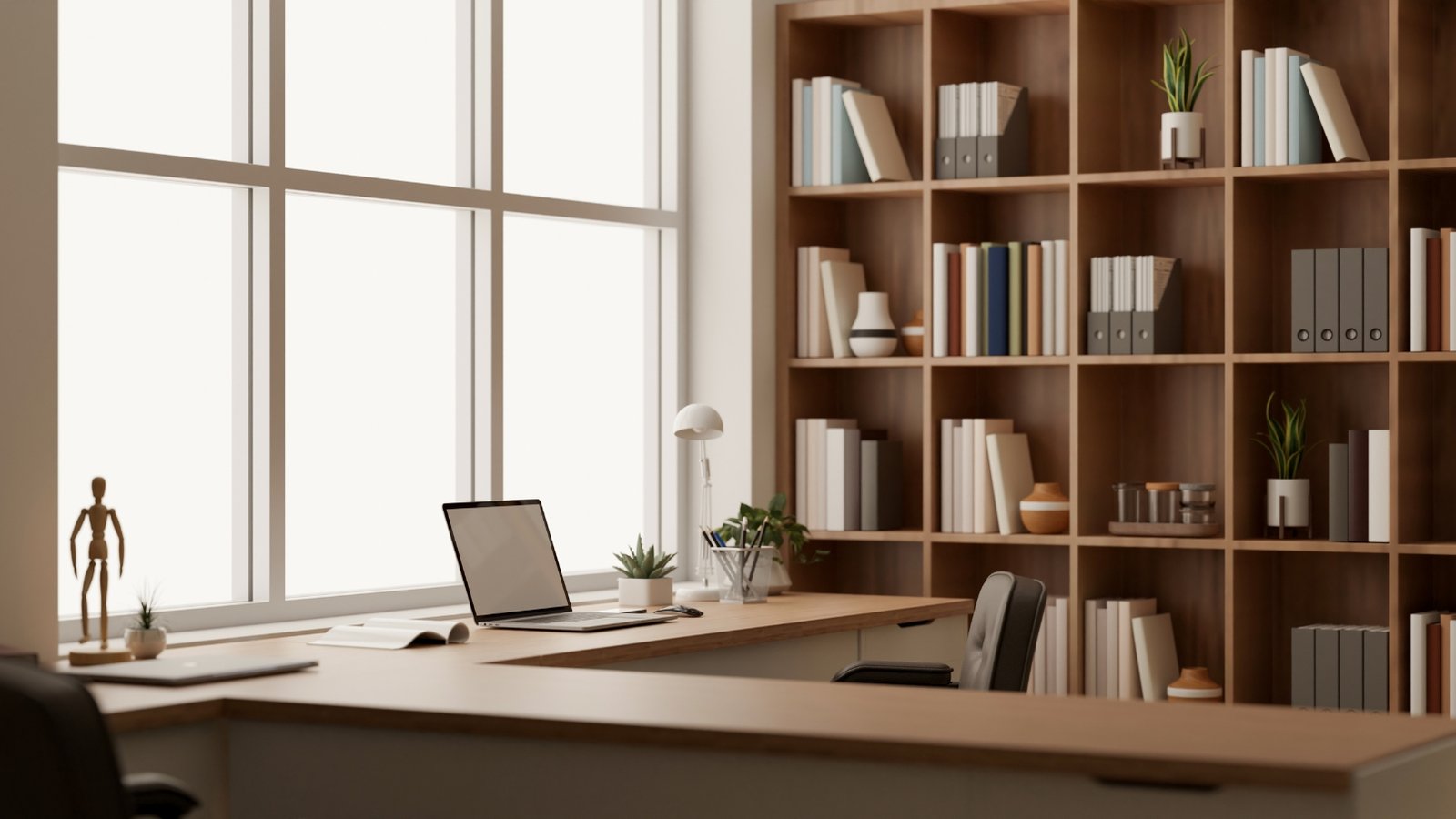
Study / Home Office
Veneer can provide an elegant and inviting feel to study units and desks. Laminate might be a good option if easy maintenance and a consistent finish are higher priorities.
How Shruti Sodhi Interior Designs Helps in Choosing Between Veneer and Laminate for Your Home!
Selecting between veneer and laminate for your home can be a tough decision to make, but Shruti Sodhi Interior Designs can help you make it. Deciding between veneer and laminate can be a bit confusing as well, particularly if there are various rooms and furniture that require different needs. At Shruti Sodhi Interior Designs, it is done room by room, taking into consideration various factors such as usage of the room, exposure to moisture, budget, etc., and then recommending the finish based on the home’s design language. The team also has hands-on experience with the performance of different brands of veneer and laminate over time in actual homes in India so that clients can avoid the finishes that may be visually appealing on the surface but give poor performance in the real world.
Conclusion
Veneer and laminate are both used in today’s home decor, and the best option may not be a choice of one or the other but knowing when to use each. The right decision can significantly influence the appearance and durability of furniture over time, so seek advice from professionals early in the planning phase. With guidance from the best interior designers in Delhi, these material selections can be carefully considered to balance style, budget, functionality, and maintenance, creating a home that feels both calming and inviting today and for many years to come.
Frequently Asked Questions:
Q. Is veneer more expensive than laminate?
Q. Which material is better for kitchen cabinets, veneer or laminate?
Q. Does veneer need more maintenance than laminate?
Yes, veneer usually needs more upkeep—it needs to be periodically polished and shielded from too much moisture—while laminate is pretty easy to wipe down and generally low-maintenance.
Q. Can veneer and laminate be used together in the same room?
Absolutely. A lot of properties use both materials together—veneer for areas of interest such as a feature wall or a study unit and laminate for high-use spaces such as kitchen cabinets or wardrobes.
Q. How long does laminate typically last compared to veneer?
The lifespan of both finishes depends on material quality, substrate, installation, environmental conditions, and maintenance. High-quality veneer can be refinished in ways that may extend its usable life, while laminate generally offers a durable, low-maintenance surface.

Shruti Sodhi Interior Designs
SSID is the official author profile of Shruti Sodhi Interior Designs (SSID), a luxury interior design firm based in Delhi NCR. Through our blogs, we share expert insights, design trends, and practical tips to inspire beautiful, functional, and timeless interiors. Our mission is to make every space reflect elegance, comfort, and individuality.


Read recent articles
How to Choose the Right Lighting for Your Home This Diwali
Why Bespoke Furniture Makes a Home Feel Truly Personal
How to Choose the Right Materials for a Luxury Home Interior