



How to Combine Wood, Stone, and Marble in a Luxury Home
Wood, stone, and marble each add a unique character to interior spaces. Wood adds warmth, stone creates an earthy and architectural feel, while marble brings natural movement through its veining. These finishes can be brought together to create interiors that feel layered, sophisticated, and well-considered.
The challenge is to create a balance where the materials add richness without competing for attention. A material palette that works in luxury interiors is not always about adding more finishes. It is about finding the right tones, textures, and applications for each material. Lighting, room size, architecture, and the way different surfaces transition into one another also influence the final result.
Why Natural Materials Work So Well in Luxury Interiors
With the help of interior design firms in Delhi, homeowners can use natural materials to create spaces that feel distinctive, layered, and thoughtfully designed without appearing overdone. Their subtle variations can add depth, particularly in spaces that follow a restrained design approach.
Wood can add softness to architectural lines, while stone brings a grounded character. Marble, meanwhile, can become a statement surface through its distinctive veining. Together, these materials allow each surface to play a different role within the room.
The difference in character can also be used to create a visual hierarchy. One material can become the focal point, while the others provide context through smaller touches, furniture or architectural features.

The Character of Marble in a Material-Led Interior
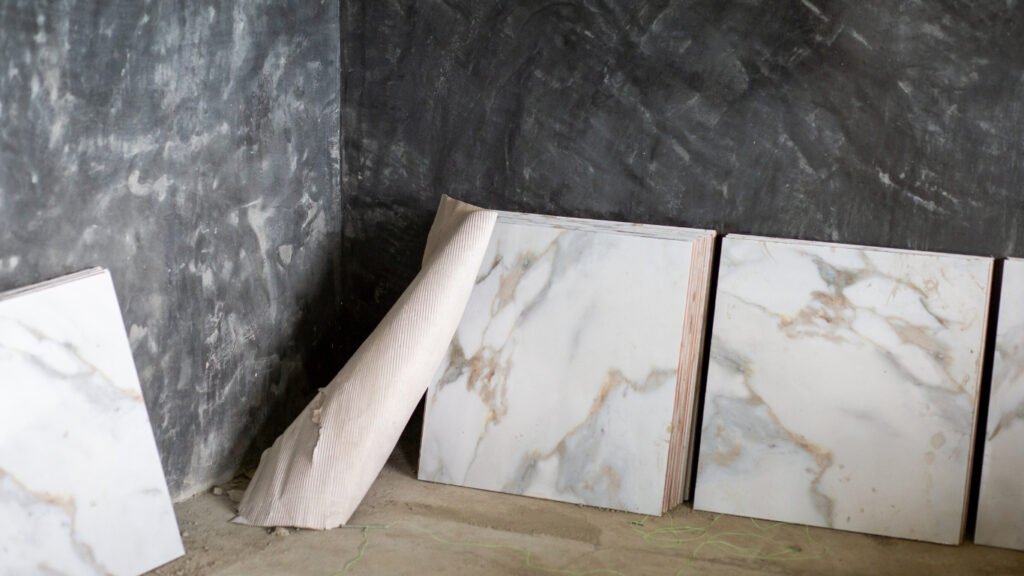
Marble is often introduced when an interior needs a surface with movement and character. Its veining can add interest across floors, walls, countertops, fireplace surrounds, and furniture.
When exploring luxury marble design ideas, the pattern and scale of the veining should also be considered. If there is a dramatic piece of marble, its visual weight should guide the other materials. A more subtle marble can add depth when other surfaces are intended to take center stage.
Marble can also be used for the way it responds to light. Natural daylight and carefully positioned artificial lighting can bring out variations in its veining, texture, and tone.
Wood as a Source of Warmth and Texture
Wood is a versatile material that can add layers of warmth to interior spaces. It can be used for flooring, wall panelling, cabinetry, doors, furniture, or ceiling treatments.
The benefits of solid wood furniture are particularly evident in the way its natural grain, texture, and scale can give a room a stronger architectural presence. Well-selected pieces can feel like an integral part of the interior rather than simply furniture placed within it.
As with marble, the colour of the wood should be considered in relation to the surrounding surfaces. Pale timber can create an airy feel, while darker wood such as walnut can add weight and warmth to a room.
Creating a Cohesive Wood and Marble Combination
A considered wood and marble combination can work well when the two materials are allowed to interact without competing with each other. Warm timber can soften the visual weight of marble, while marble can add structured contrast to wooden elements in the room.
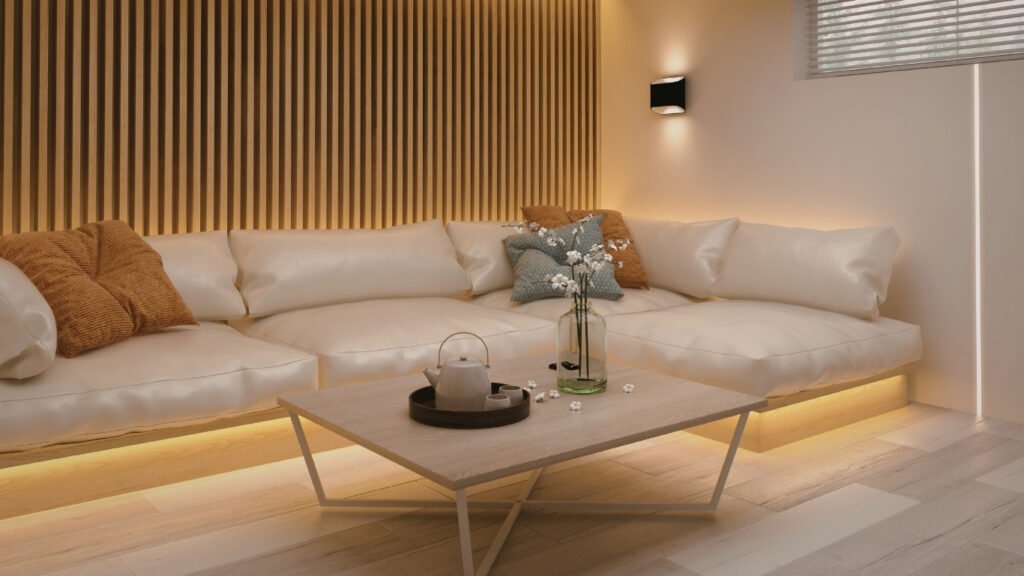
The two finishes do not need to match in terms of tone or texture. In fact, the contrast between warm timber and cooler-toned marble can create a balanced look, particularly when their undertones work well together.
Warm wood can be paired with marble in lighter tones such as cream or beige. Darker wood can create contrast against white or grey marble. Alternatively, one of the materials can be repeated in different applications to create a stronger connection between surfaces.
Building a Layered Material Palette
In high-end home interiors, effective material selection often begins with creating a clear visual hierarchy. Rather than giving wood, stone, and marble equal prominence, one material can be allowed to take center stage while the others provide balance.
Texture is another important consideration when building this hierarchy. A smooth marble surface, for example, can create an interesting contrast against the more tactile qualities of timber.
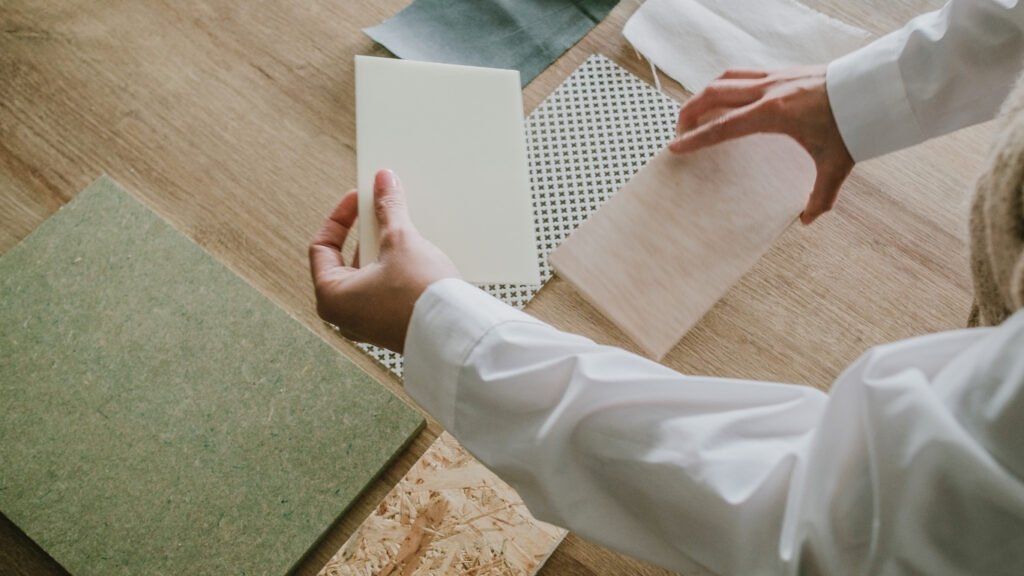
The same principle applies to colour. A restrained colour scheme allows the natural variation in stone and wood to become part of the design rather than competing with furniture, artwork or other decorative elements.
How to Mix Materials Across Different Rooms
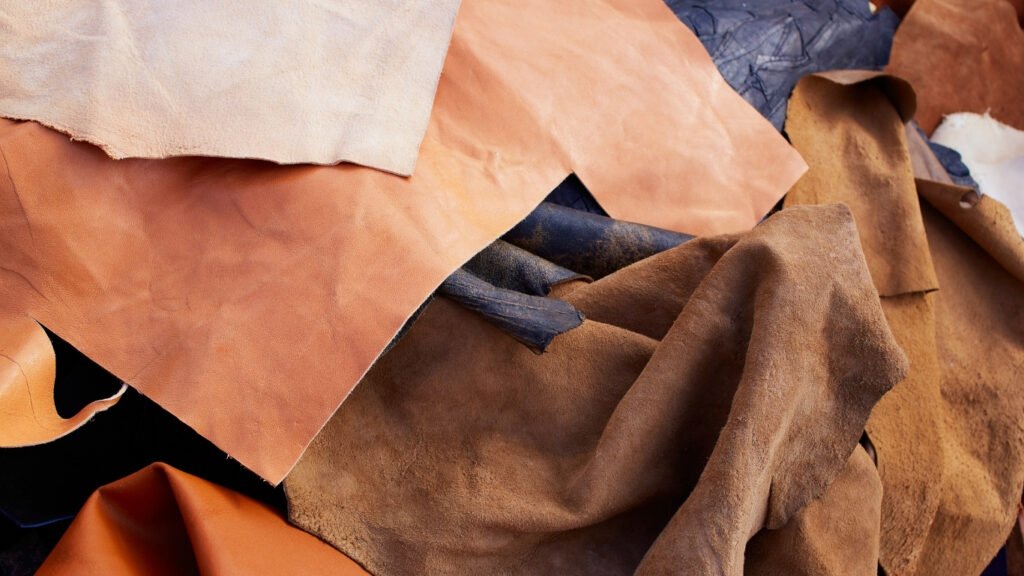
Understanding how to mix wood and marble becomes important when these materials appear across multiple rooms. They do not need to be repeated identically in every space, but subtle connections can help unify the overall design.
Living Room
Wood can be incorporated into the living room through flooring, wall paneling, furniture, or cabinetry. Marble can be used as a feature surface, such as a coffee table, fireplace surround, or accent wall. Stone can be introduced more subtly through flooring or architectural treatments.
Dining Area
A wooden dining table can create a warm setting, while marble can be included through a console or another selected surface. Other finishes should remain more restrained if the furniture itself has a strong grain or sculptural quality.
Kitchen
The kitchen offers several opportunities to combine materials. Wood can become part of the cabinetry to soften a large marble island, while stone can be incorporated through flooring or a backsplash in a neutral tone.
Bedroom
Bedrooms tend to lend themselves to more subtle applications of materials. Wood can be introduced through furniture or wall paneling, while marble can be reserved for surfaces such as bedside tables or a vanity area. Stone can be used selectively through flooring or another architectural detail.
Entrance & Foyer
The entrance can set the tone for the materials used throughout the home. Stone or marble flooring, wood detailing, and appropriate lighting can create a welcoming first impression. Materials from adjoining rooms can also be repeated to create a natural sense of continuity.
The Role of an Interior Designer in Material Selection
Material selection is not only about choosing finishes that look good together. It involves considering scale, lighting, function, maintenance, architecture, and the way different surfaces connect with one another. A considered luxury interior design approach brings these factors together before materials are finalized.

An interior designer can assess materials under different lighting conditions, compare undertones, and understand the amount of visual movement a particular surface can introduce to a room.
This becomes particularly important when combining several natural materials. Careful selection can create contrast and depth without filling the space with competing patterns, colors, or textures.
Designing a Complete Residential Material Story
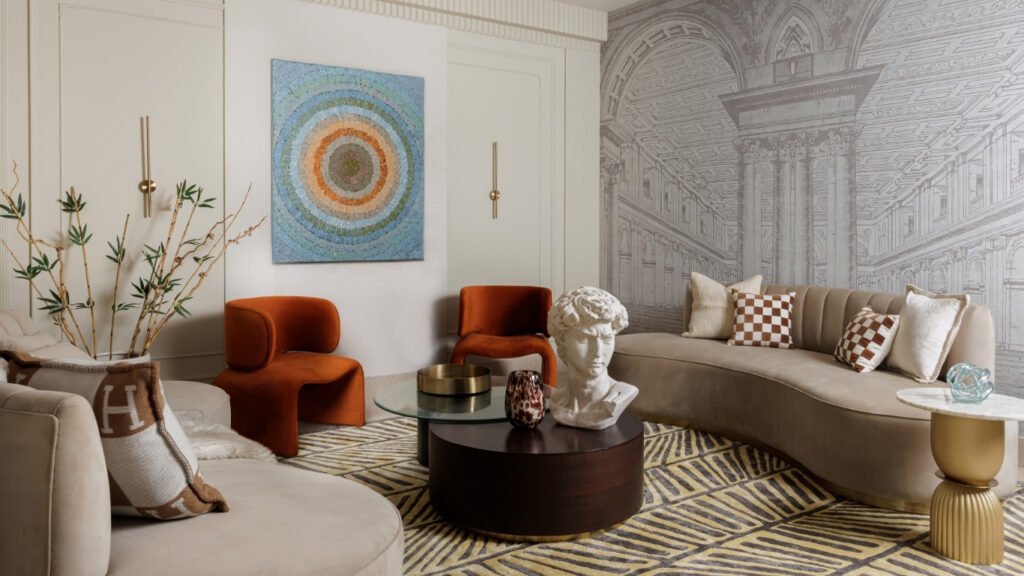
This does not mean using exactly the same finishes everywhere. Instead, selected materials can be carried through the home in different applications, allowing each room to have its own character while still feeling connected to the spaces around it.
As a result, wood, stone, and marble can feel like parts of one composition rather than unrelated design elements.
How Shruti Sodhi Interior Designs Helps in Creating a Cohesive Material Palette
Shruti Sodhi Interior Designs approaches material selection by considering wood tones, stone textures, and marble patterns alongside the structure, lighting, scale, and use of the home. From the initial selection of materials to the combination of different surfaces, the objective is to create interiors that look refined while still having a clear sense of purpose.
Each material has a role, whether it is used to complement another surface, create contrast, add texture, or establish a focal point. This helps ensure that the material palette feels intentional rather than assembled piece by piece.
Homeowners who are looking to work with top interior designers in Delhi can begin by understanding the architectural character of their residence, its practical requirements, and the desired aesthetic. From there, materials can be shortlisted and brought together into a cohesive material story for the home.
Conclusion
Combining wood, stone, and marble successfully comes down to finding the right balance between the three. Wood adds warmth, stone offers earthy character, and marble introduces visual movement to a room. When their colors, textures, and scale are carefully considered, these natural materials can create interiors that feel sophisticated without becoming overwhelming. A well-considered material palette allows each surface to have its own character while still contributing to a common design language.
FAQs
1. Can wood, stone, and marble be combined?
Yes, the three materials can be combined as a cohesive palette. Each material should have a specific role, while the other two should support rather than overpower it.
2. What wood tones work with marble?
The timeline depends on the size of the property, the extent of structural changes, custom furniture requirements, and the complexity of materials and finishes. A detailed plan can help establish a realistic schedule before work begins.
3. How can I avoid using too many patterned materials and finishes?
Flooring and furniture are best considered together. Their colors, proportions, textures, and finishes should complement each other while also working with the lighting plan.
4. Can marble be used in all rooms of the house?
Marble can be used in many areas of a home, but the application and finish should be selected according to how the surface will be used. Factors such as maintenance, foot traffic, and exposure to moisture should also be considered.
5. Should the same materials be used in every room?
Not necessarily. Repeating selected materials in different applications can create continuity, while varying their combinations and proportions can give each room its own character.
For professional, tailored interior design solutions that bring your vision to life, contact-us today and let’s create the space you’ve always dreamed of!