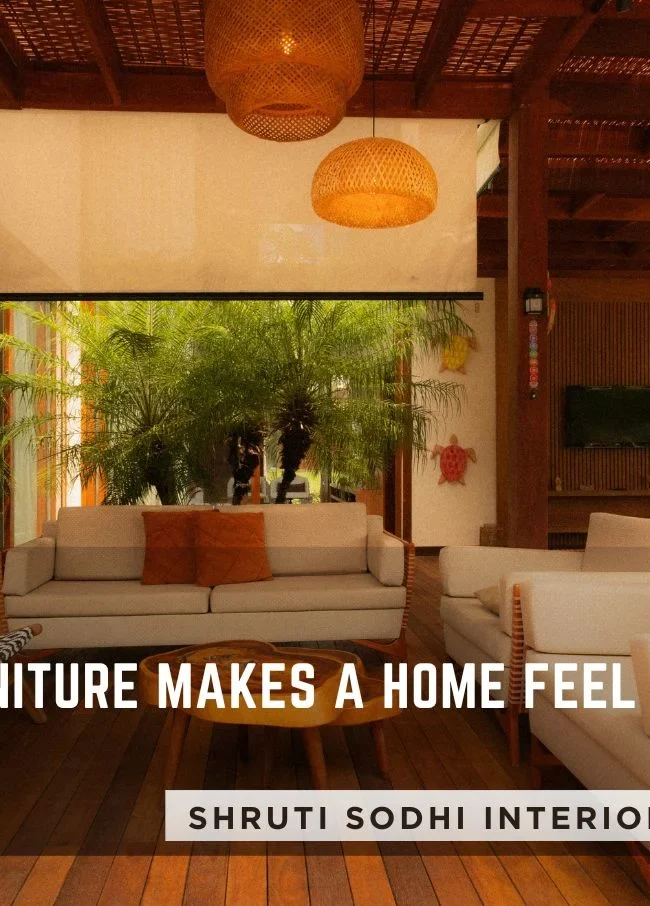





How to Choose the Right Lighting for Your Home This Diwali
Diwali has a way of changing how a home feels. Familiar rooms suddenly seem softer, corners feel more inviting, and even small details take on new importance. While diyas and string lights are an essential part of the celebration, the best festive lighting isn’t simply about using more lights. It is about knowing where light can make the greatest difference.
The right lighting can highlight the texture of a wall, bring out the shape of a beam or arch, and make a living space feel warmer and more welcoming. It can also change how colors appear, how furniture is perceived, and how artwork looks once darkness begins to fall.
That is why festive lighting works best when it is planned with the home’s interior in mind. It should not feel like something added at the last minute. A modern home may benefit from subtle, low-level illumination, while a traditional space might lend itself to lanterns, diyas, and decorative fixtures with greater visual presence.
Before you pick any lights, step back and look at your rooms as they are. Pay attention to the size of each space, how much daylight it receives, where the furniture is placed, and which architectural features are already present. This will help you decide where additional lighting will enhance the mood and where it may simply add visual clutter.
A good place to start is by recognizing the lighting choices that can make a festive setup feel less balanced before you begin planning your arrangement. Knowing what to steer clear of can be just as useful as knowing what to add.
Why Lighting Matters More During Diwali
For homeowners working with interior decorators in Delhi, Diwali is a chance to think differently about how light shapes the feel of a home. As evenings grow darker and people gather, attention naturally shifts towards illuminated spaces, making the relationship between lighting, architecture, and furniture more noticeable.
An intelligent residential interior design approach begins with lighting rather than treating it as a finishing touch. Ambient lighting establishes the overall mood, task lighting supports activities such as reading or cooking, and accent lighting draws attention to details such as artwork, sculptures, or architectural features. When these layers work together, they add depth without changing the character of the space.
Lighting also changes how we experience materials. The grain of wood, texture of stone, sheen of metal, and softness of fabric can all appear different under carefully considered illumination. A strategically placed lamp can reveal a detail that might otherwise go unnoticed. Lighting, therefore, does more than brighten a room; it can bring out the character of the space.
Choosing the Perfect Lighting for Your Home This Diwali
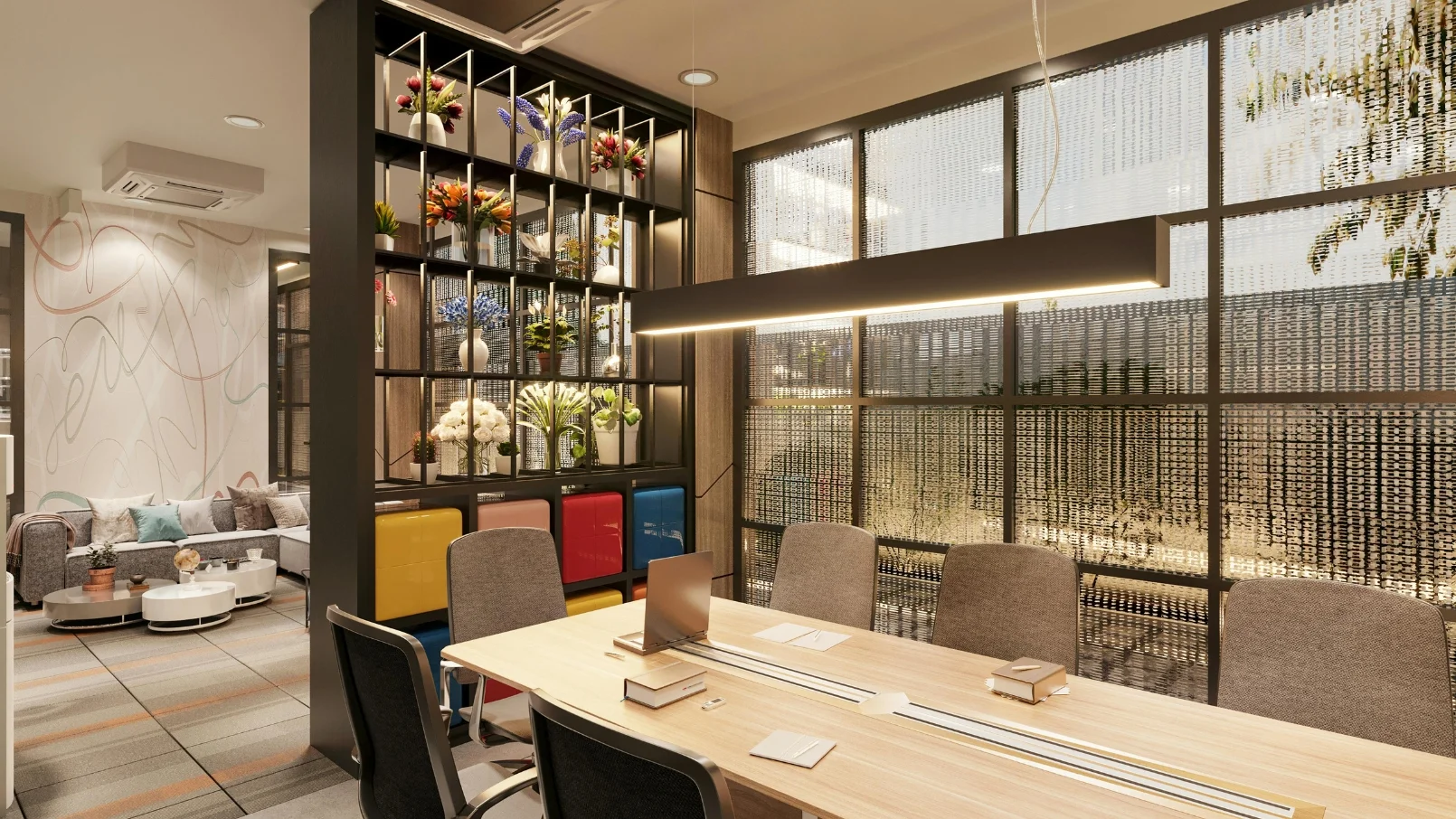
Start with the Existing Interior Design
Before buying decorative lighting, look closely at your home’s existing colors, furniture, finishes, and architectural features. Festive additions should feel like part of the space rather than something temporarily placed on top of it.
For example, a modern interior with clean lines may benefit from subtle lighting around architectural features, while a home with traditional furniture can accommodate the warmth of lanterns, diyas, and other decorative fixtures. The goal is not to follow a fixed pattern but to create a connection between the home’s permanent design and its seasonal details.
Explore Different Diwali Lighting Ideas
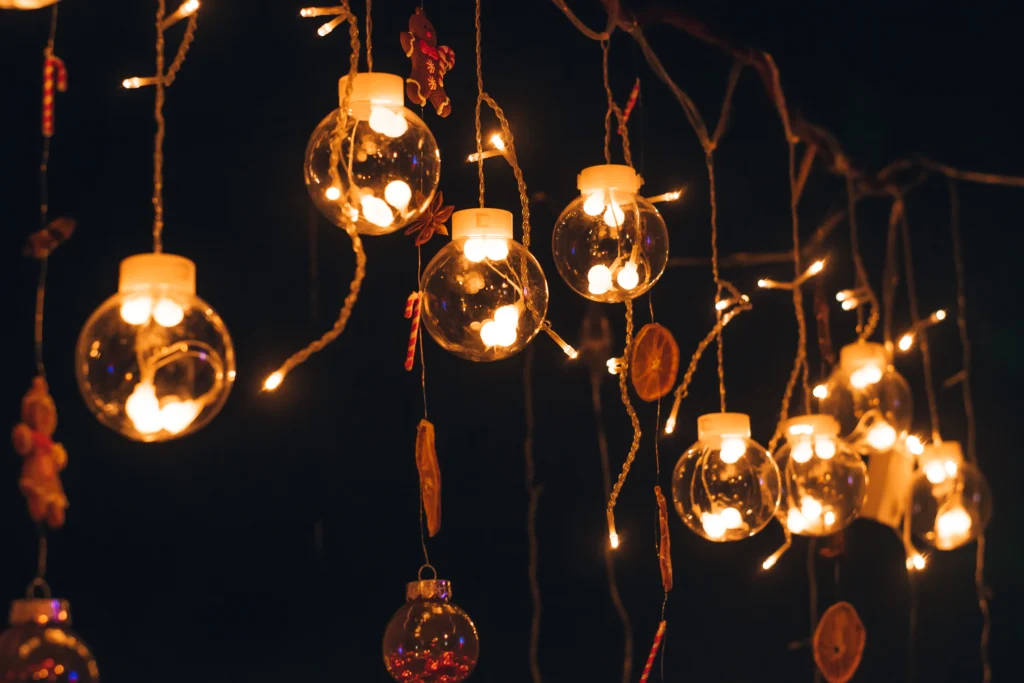
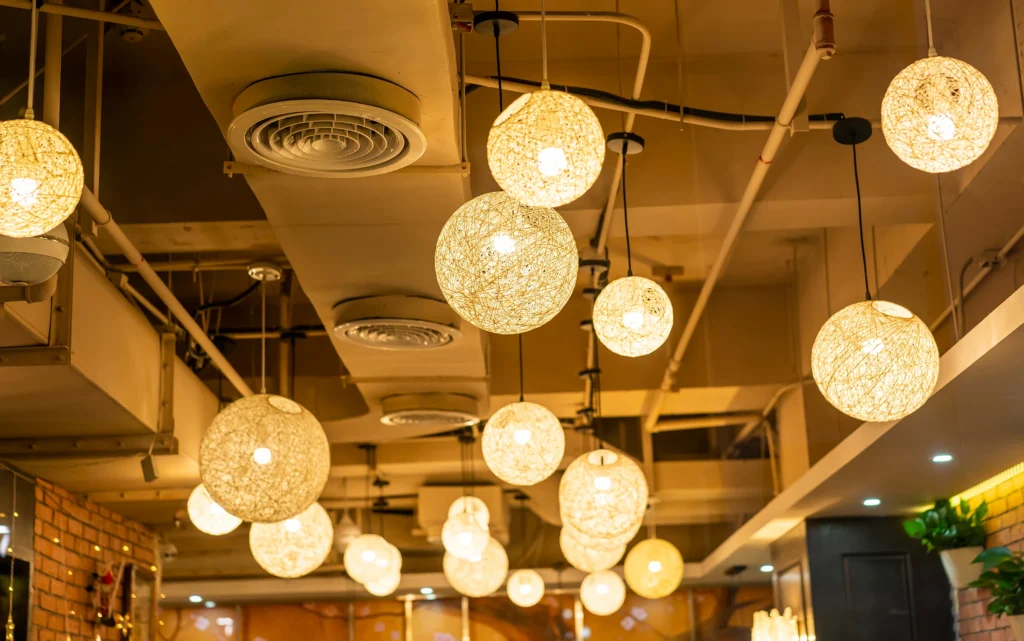
When considering Diwali lighting ideas, go beyond typical strings of lights. Lanterns, wall lights, pendant fixtures, candles, diyas, and concealed illumination can each create a different visual effect.
A string of lights may look beautiful around a balcony or window, while a pair of lanterns can frame an entrance without making it feel busy. In a living room, carefully illuminating a niche or artwork can create more impact than spreading decorative lights across the entire room.
The most interesting arrangements often come from combining different sources of illumination rather than relying on one type of fixture throughout the home.
Choose Lighting According to the Function of Each Space
Good home lighting ideas begin with understanding how a room is actually used. A living room designed for conversation and entertaining needs a different atmosphere from a study, kitchen, or reading corner.
Think about what happens in each space after sunset. Where do people gather? Which surfaces need clearer visibility? Which corners could benefit from softer illumination? Answering these questions allows festive lighting to remain practical while adding character.
This is particularly important in homes where one lighting arrangement may have to serve several purposes without making the entire space feel uniformly bright.

Balance Decorative Lights with Everyday Illumination
Decorative lighting should enhance the existing scheme rather than compete with it. A room that already has strong ceiling illumination may not need several additional bright fixtures, particularly when festive lights are also being added around windows, walls, or furniture.
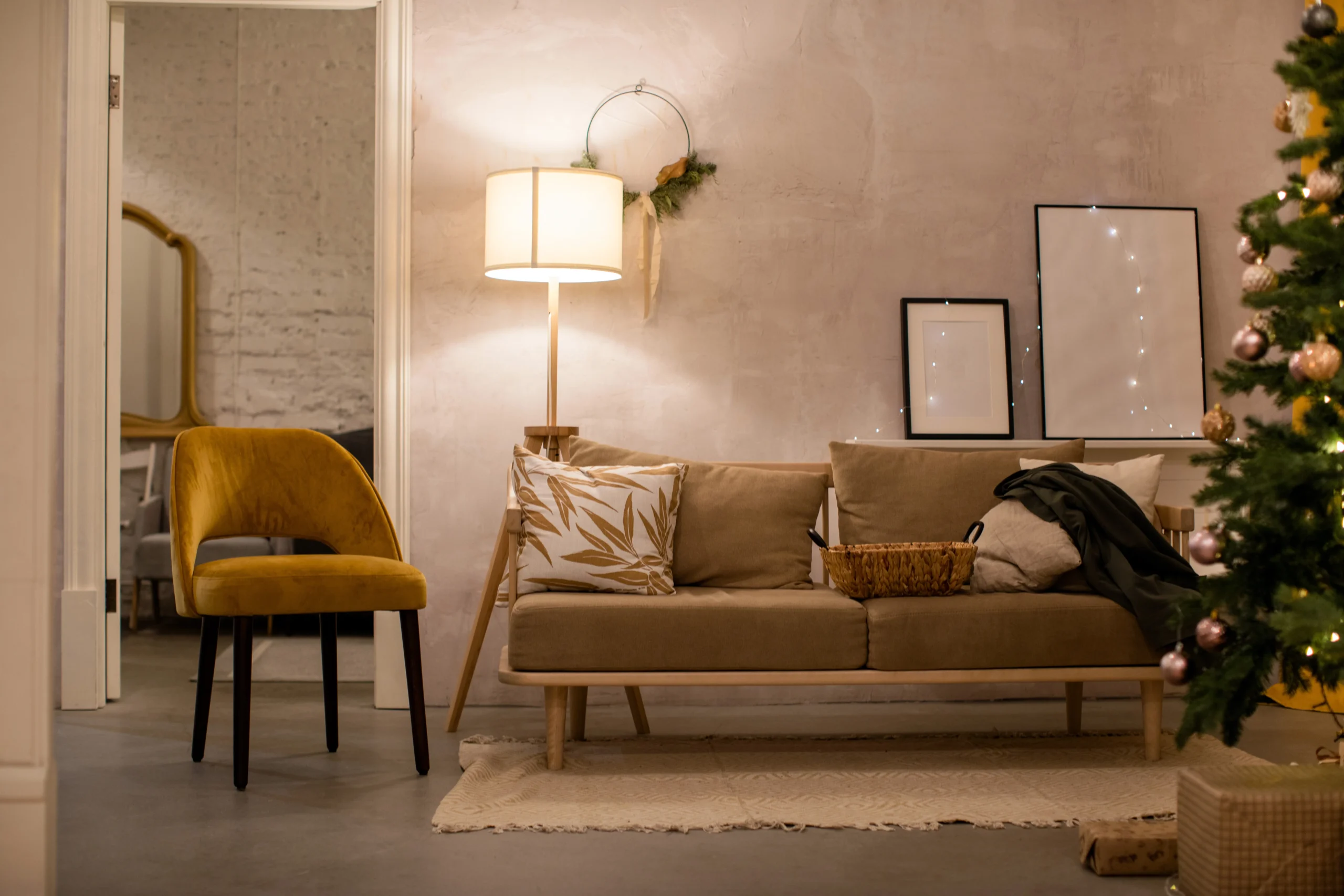
Instead, use lighting to create variation. A softer glow around a seating area, a highlighted artwork, or a warm pool of light around a console can add depth without increasing the overall brightness of the room.
This approach also means that the home can remain comfortable once the festive decorations are taken down.
Coordinate Lighting with Your Festive Decorations
Your Diwali decoration ideas should work with the lighting rather than compete for attention. Consider how illumination will interact with flowers, rangoli, textiles, table arrangements and decorative objects.
A warm light falling across a floral arrangement can highlight its texture and colour. Likewise, lighting near a textured wall or architectural niche can turn an otherwise overlooked detail into part of the festive composition.
Instead of decorating every surface, pick a few areas that deserve attention and let the surrounding spaces provide visual breathing room.
How to Choose Lighting for Different Rooms
Different rooms need different lighting experiences. Rather than applying one lighting rule throughout the home, consider the mood, scale, and purpose of each space.
Living Room
During Diwali, the living room often becomes the centre of the home. The lighting here should support conversation while giving the room enough depth to feel inviting after sunset.
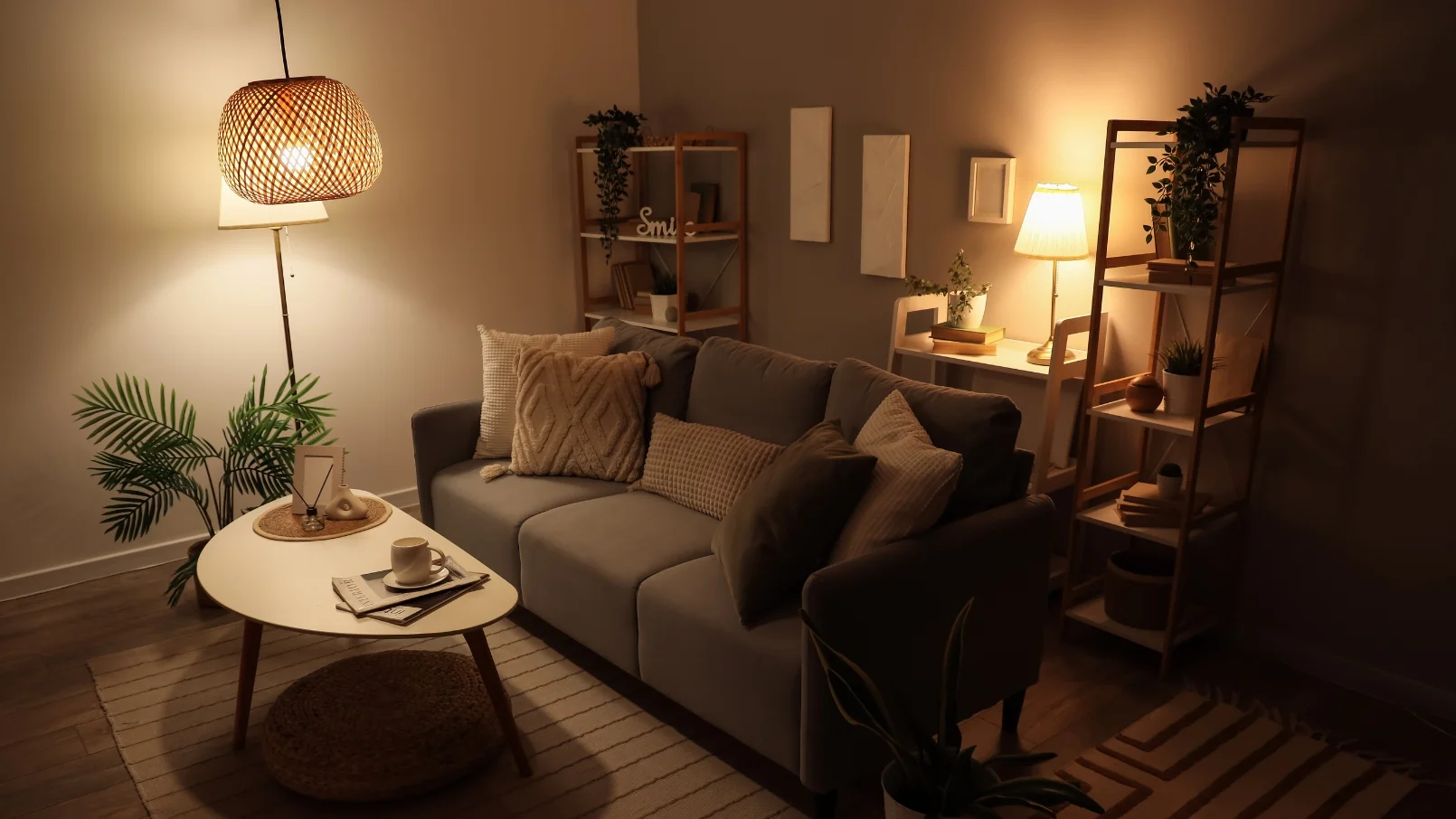
Layered lighting works particularly well. Combine ambient illumination with floor lamps, table lamps, and accent lighting. A statement pendant or chandelier can establish a focal point, while a softly lit artwork, shelf, or niche can add another layer of interest.
If you add string lights, use them around windows, balconies, or specific architectural details. Keep the arrangement simple so that the room’s furniture and design features remain visible.
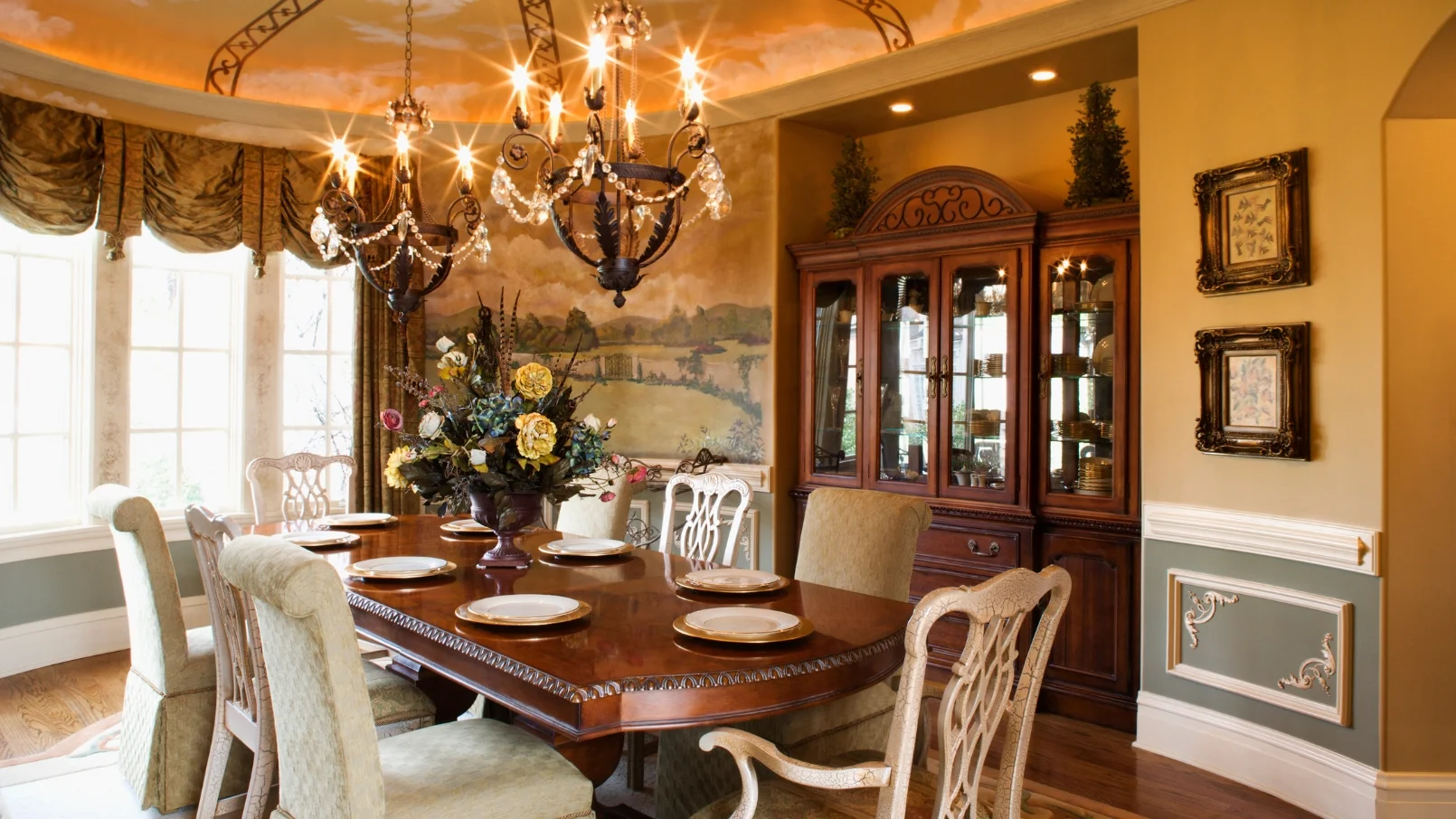
Dining Room
During Diwali, the dining table often becomes more than a place to eat. It becomes part of the evening’s setting, which makes the lighting above it particularly important.
A pendant or chandelier can establish a focal point over the table, while warm ambient illumination around the room prevents the fixture from appearing isolated.
Candles or small diyas can add a gentle glow to the table. Place them carefully so the centerpiece remains balanced and guests can comfortably see and talk across the table.
Bedroom
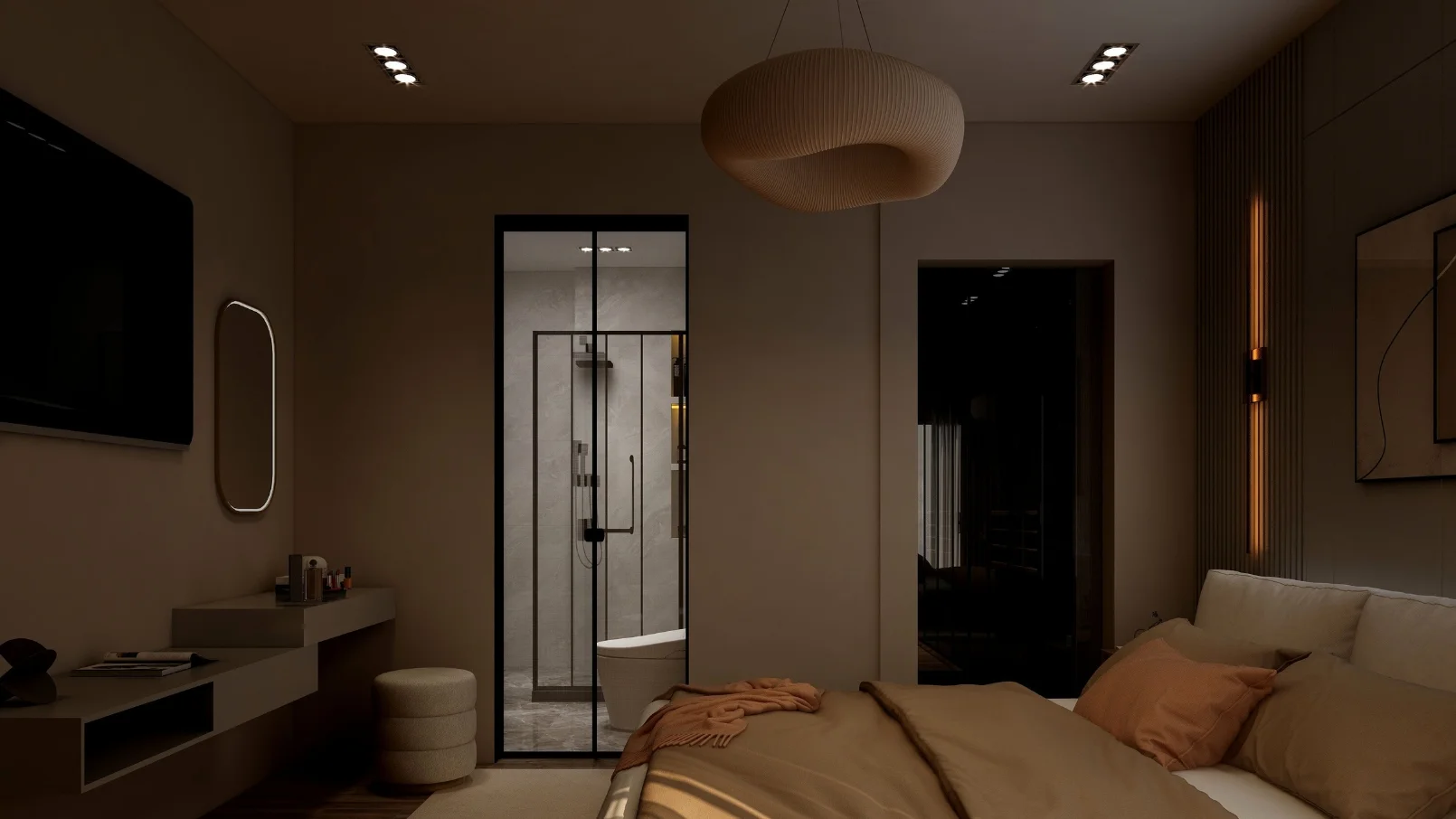
The bedroom should feel distinct from the more social areas of the home. Festive lighting here is best kept subtle, allowing the room to retain its sense of calm.
Bedside lamps, concealed lighting, and understated decorative fixtures can introduce warmth without turning the bedroom into another entertaining space. Softer illumination around a window, dresser, or reading corner can also create a gentle festive touch.
The aim is to make the room feel connected to the celebrations without compromising its everyday purpose.
Entrance and Foyer
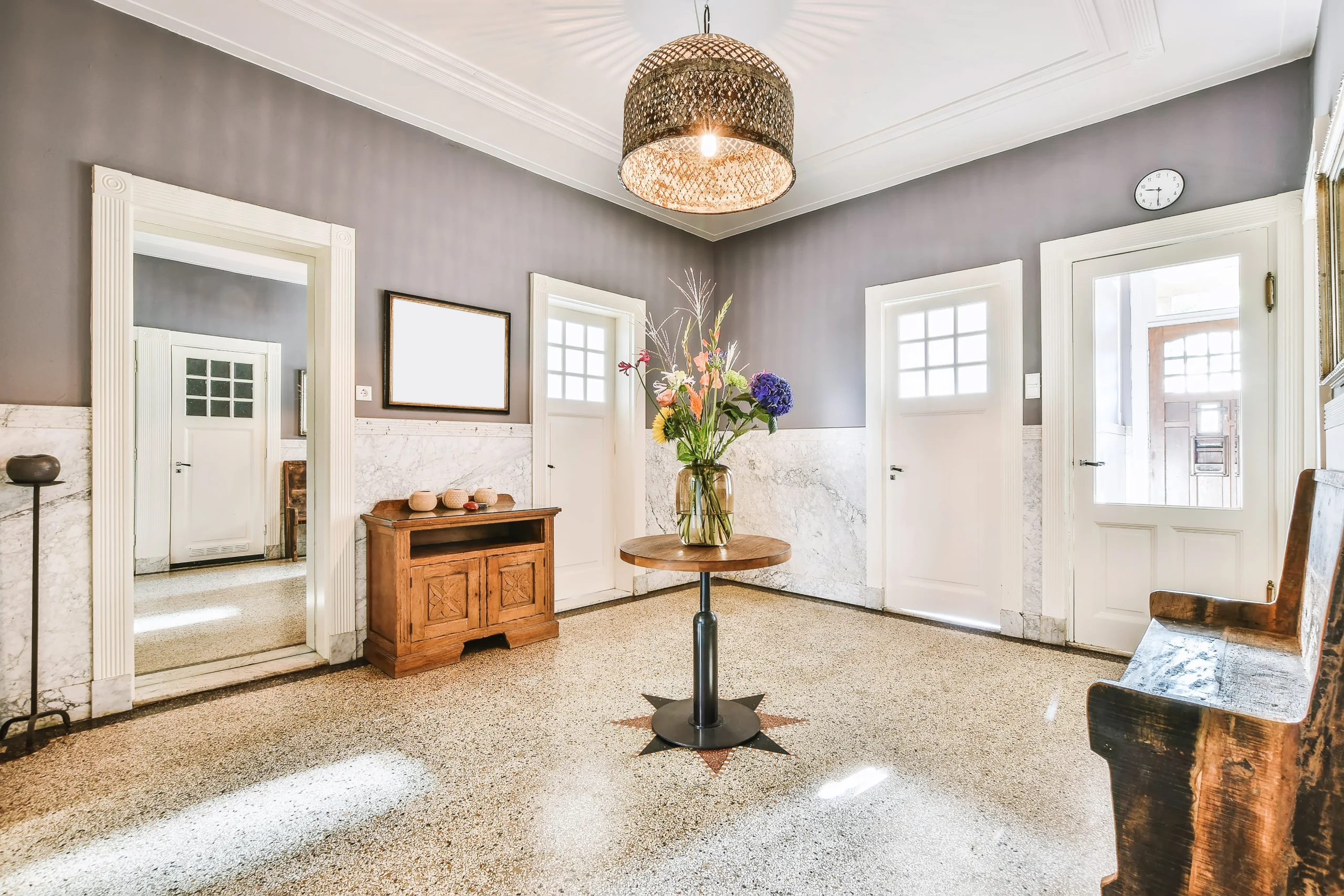
The entrance is one of the first areas guests experience, making it an ideal place to introduce the festive mood.
A pair of wall lights, decorative lanterns, or carefully positioned illumination can frame the entrance and bring attention to a console, artwork, or architectural feature. A rangoli or floral arrangement can then become part of the overall composition rather than appearing as a separate decorative element.
At the same time, the entrance should remain sufficiently illuminated for comfortable movement, particularly when guests are arriving after dark.
Balcony and Outdoor Areas
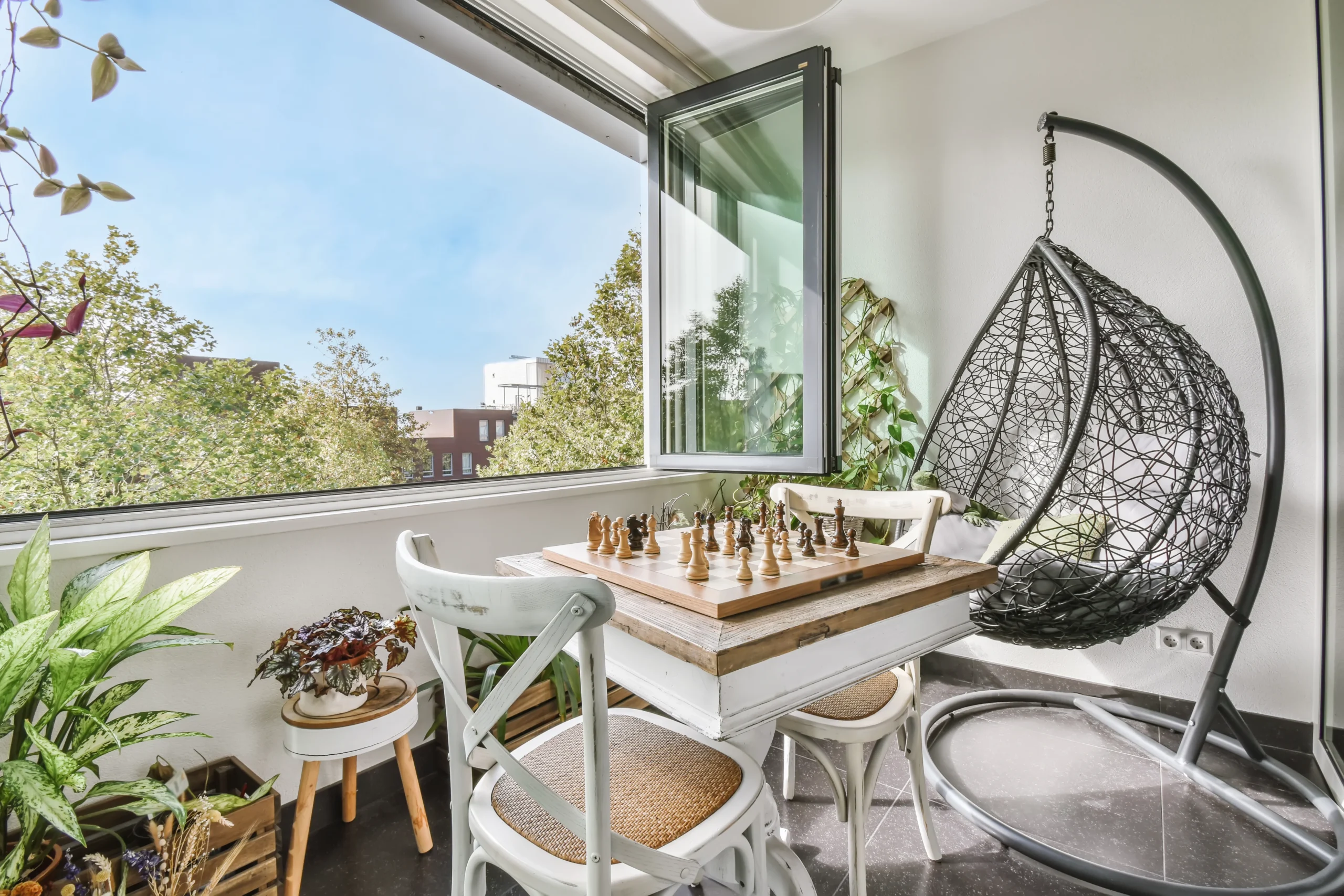
Balconies offer an opportunity to create a festive atmosphere that can also be enjoyed from inside the home. String lights, lanterns, and suitable outdoor fixtures can outline railings, highlight plants, or frame a seating area.
Think about the view from both sides. A balcony that looks attractive from inside can become part of the home’s evening composition, particularly when its illumination remains subtle.
For outdoor areas, always use fixtures designed for the environment and protect electrical connections from moisture. Keep pathways clear and secure decorative elements properly, especially in exposed or windy areas.
Warm vs Cool Lighting: Which Is Better for Diwali?
The color temperature of lighting has a noticeable effect on how an interior feels in the evening. It also influences how finishes and colours appear, making it worth considering before adding festive illumination.
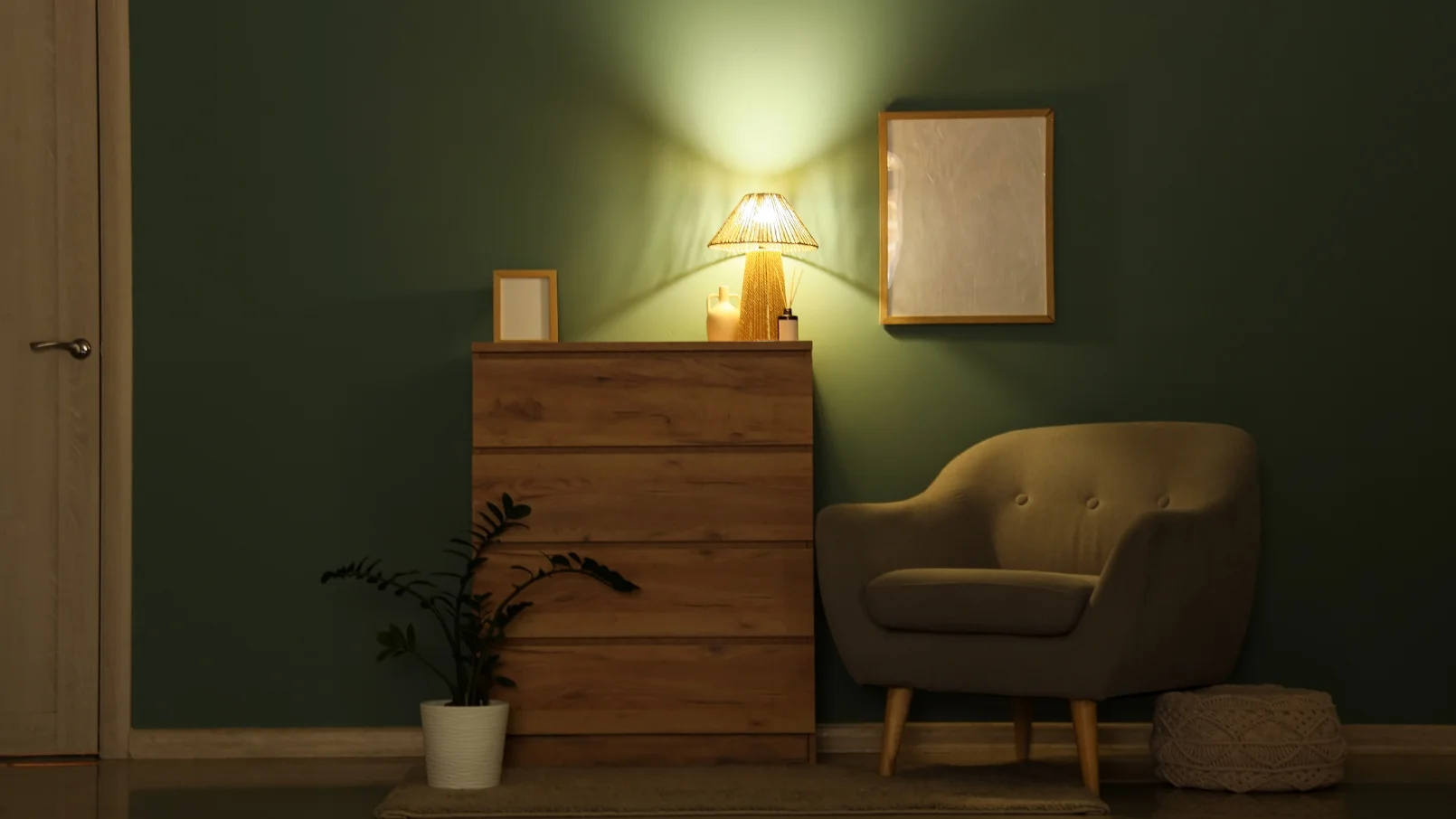
Warm lighting: has a softer, golden quality that works naturally with wood, textured fabrics, earthy tones, and traditional festive elements. It can make social spaces feel more intimate and help create the familiar glow associated with Diwali evenings.
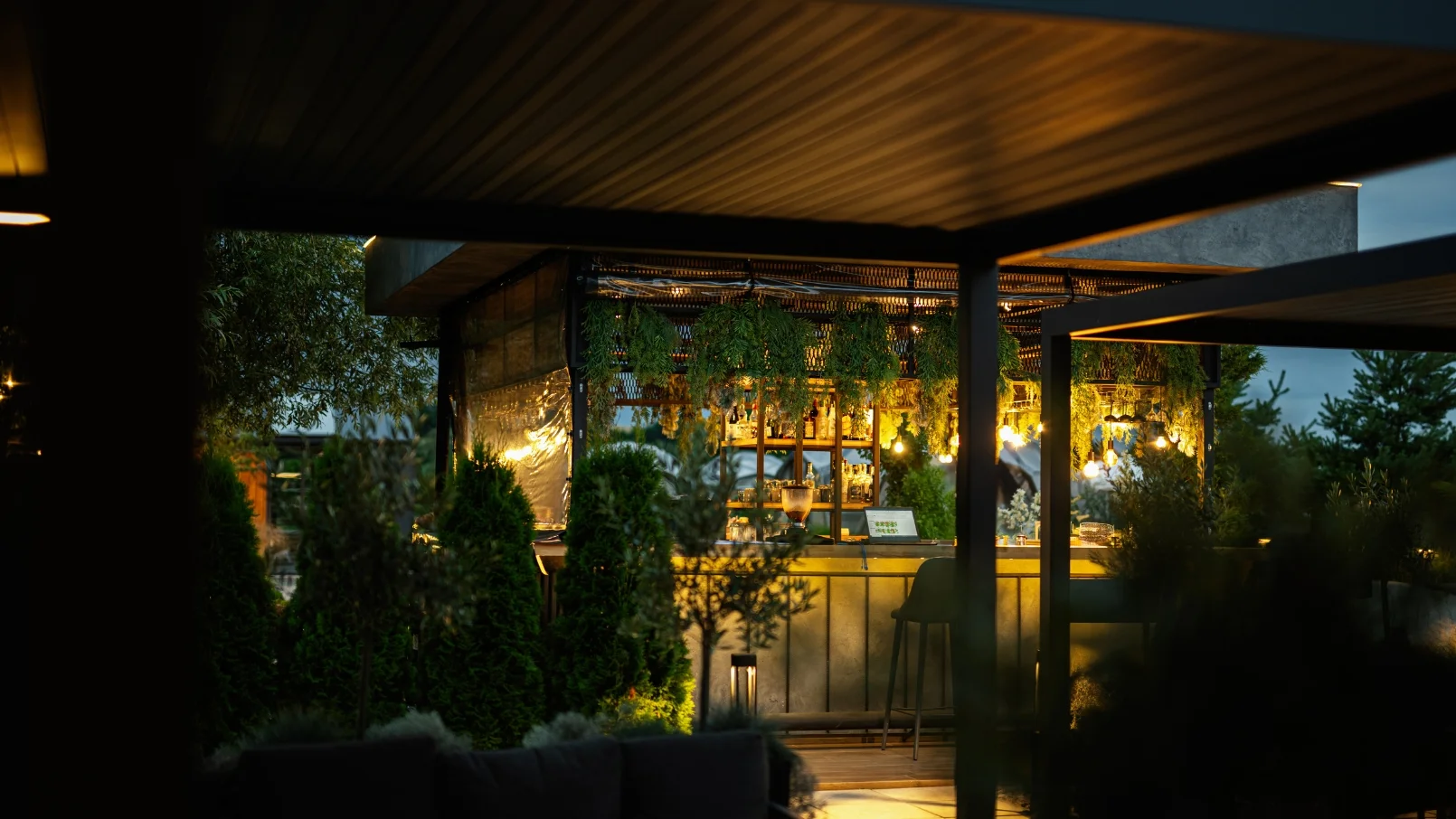
Cool lighting:- has a cleaner, whiter appearance and can be useful where visibility and clarity are priorities, such as kitchens, utility areas, and workspaces.
There is no need to choose one color temperature for the entire home. A considered scheme can use warmer illumination in living and dining areas while retaining clearer task lighting where it serves a practical purpose.
The important consideration is consistency within each space. Lighting should feel intentional rather than as though different fixtures have been added independently.
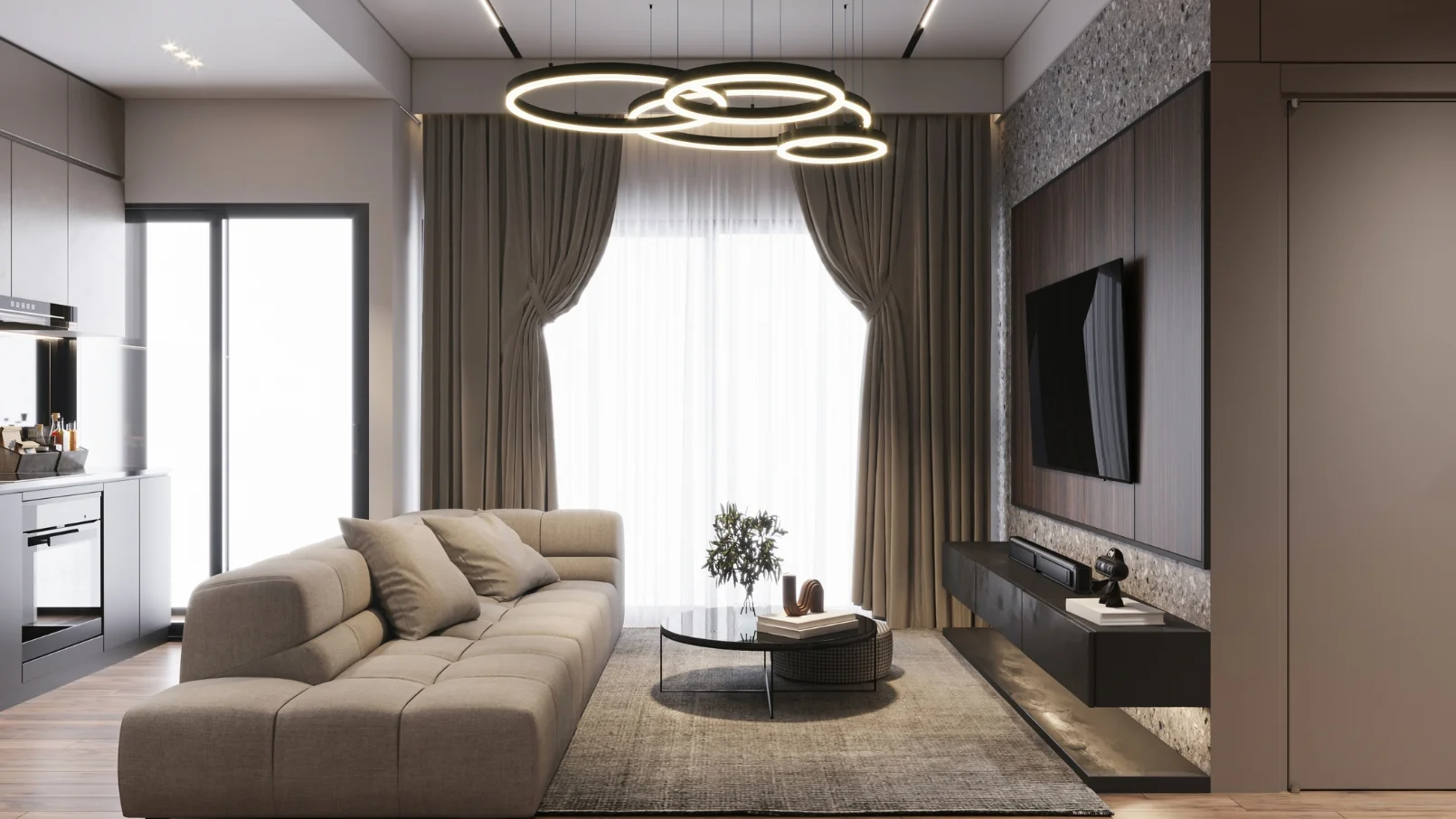
Common Lighting Mistakes to Avoid During Diwali
Using Too Many Lights in One Area
Covering every surface with decorative lights can make a room feel busy. Instead, identify one or two focal areas and allow the surrounding spaces to remain quieter.
Ignoring the Existing Lighting Scheme
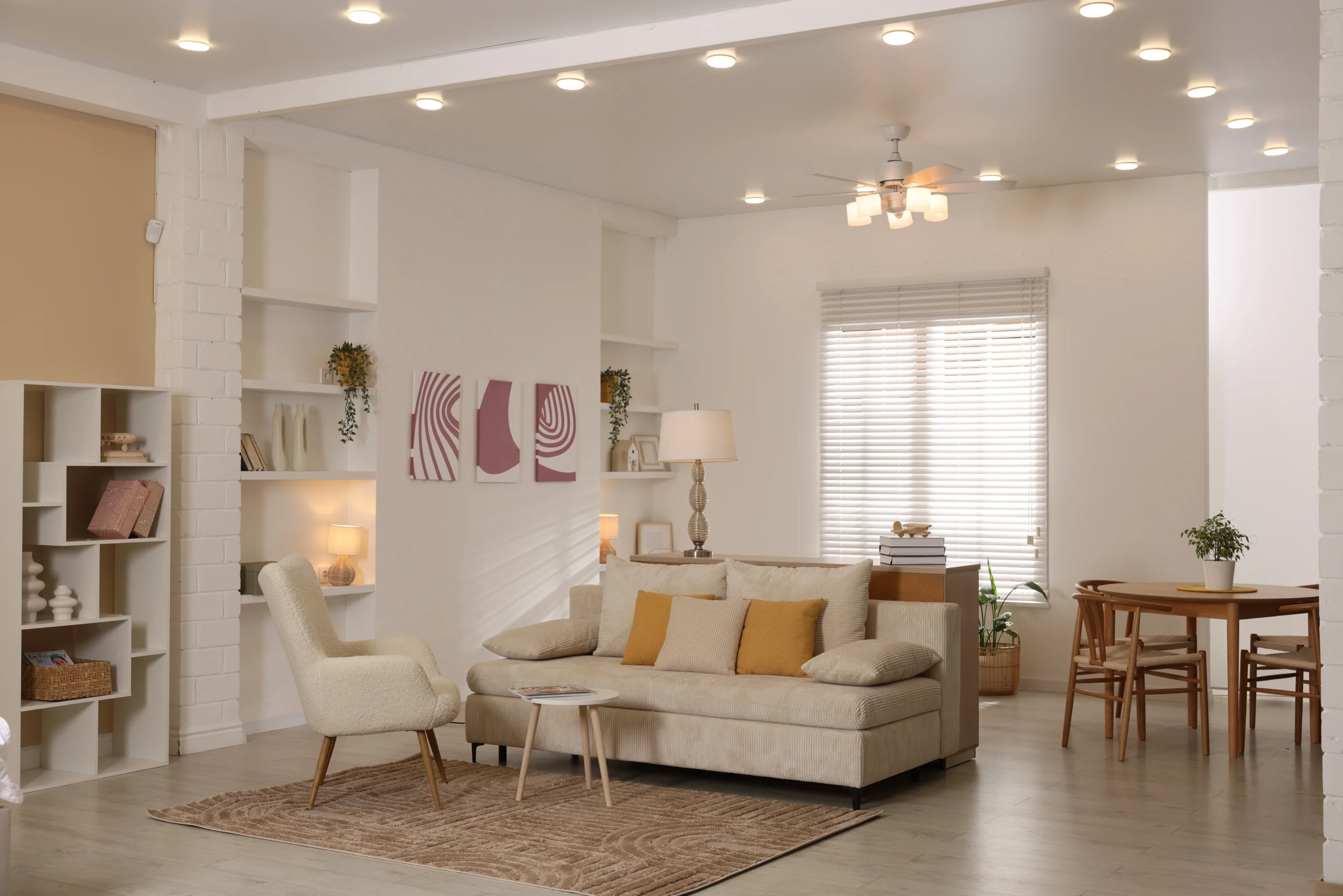
Before adding decorative fixtures, consider what the room already has. Ceiling lights, wall sconces, lamps, and concealed lighting may already provide sufficient illumination. Festive additions should complement this scheme rather than compete with it.
Mixing Incompatible Color Temperatures
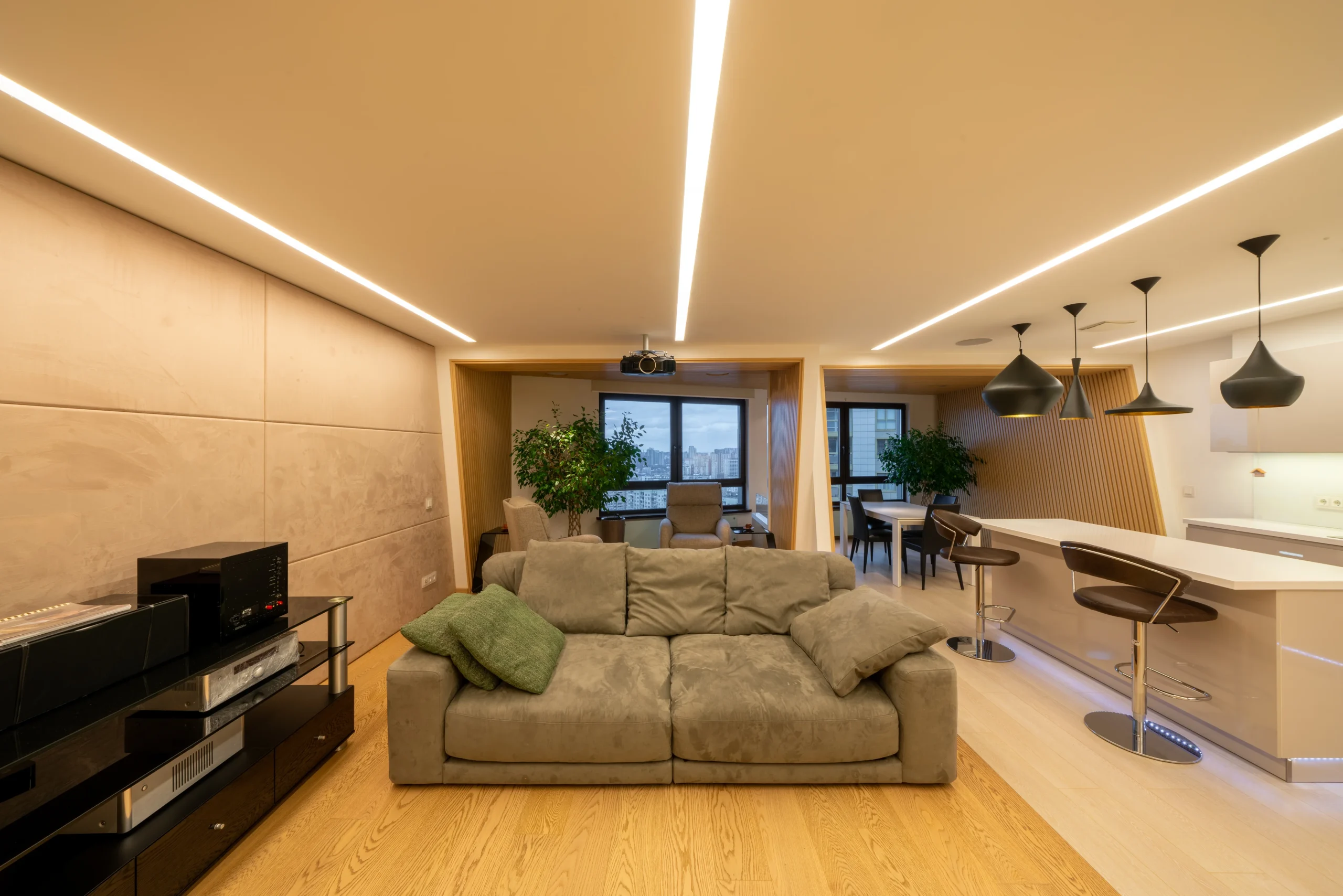
Different color temperatures can work together, but they need to be used deliberately. Combining noticeably different tones within a small space can make the lighting feel fragmented.
Overlooking Glare and Shadows
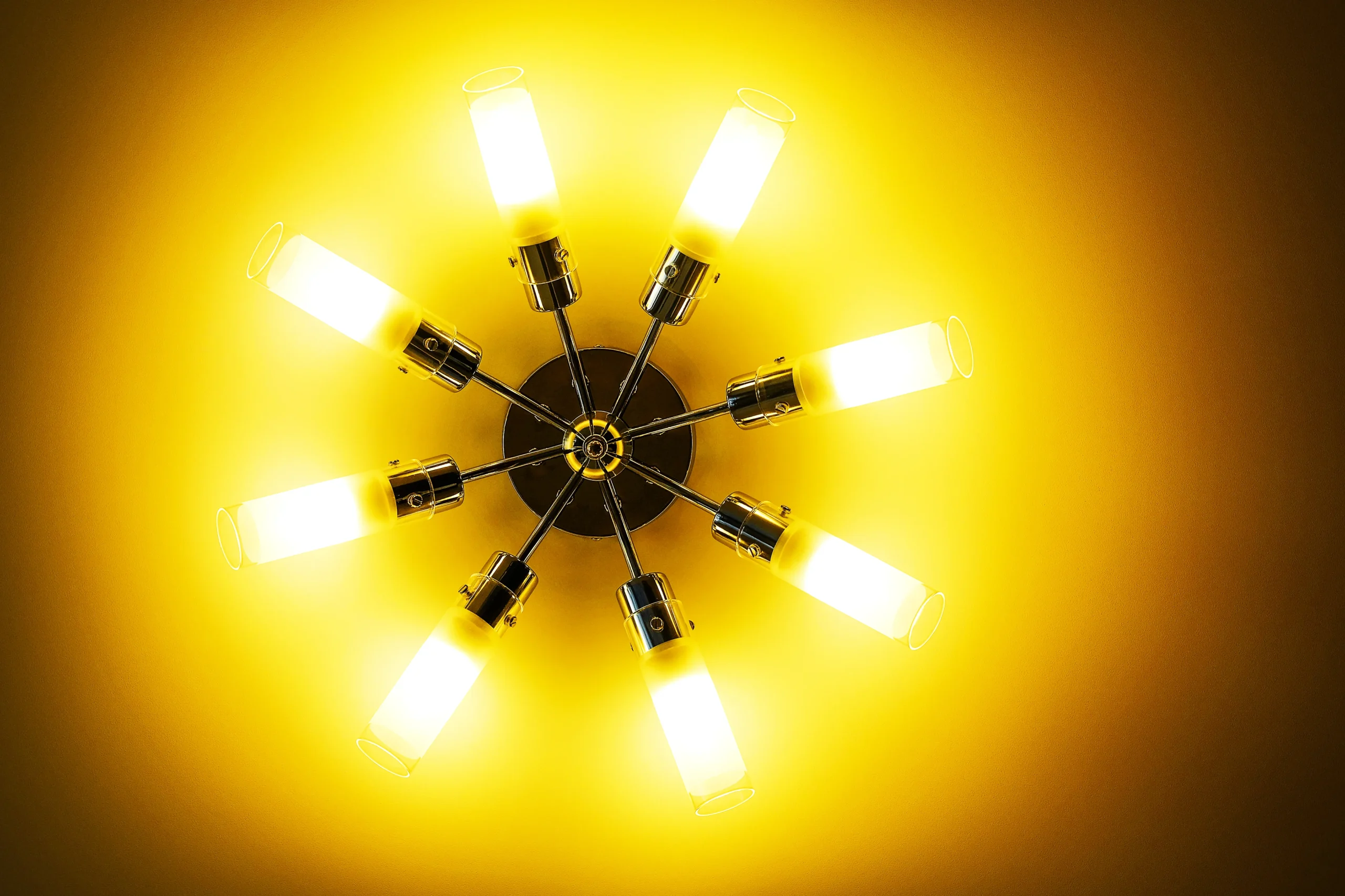
Harsh glare from a light source can make a space uncomfortable. Position lights so they do not shine directly into the eyes of people sitting or moving through a room. Consider the angle of illumination in areas where people are likely to look towards a window, television, or other bright surface.
Shadows also deserve attention. Excessive shadow can make a space feel uneven or create poorly lit areas. Use multiple light sources to fill darker corners while maintaining the warm and welcoming atmosphere you want during the festive season.
For example, a table lamp can create a pool of light around a seating area, while a wall-mounted fixture provides more even ambient illumination. This type of layering helps avoid the overly harsh effect that can result from relying on a single light source.
Compromising on Electrical Safety
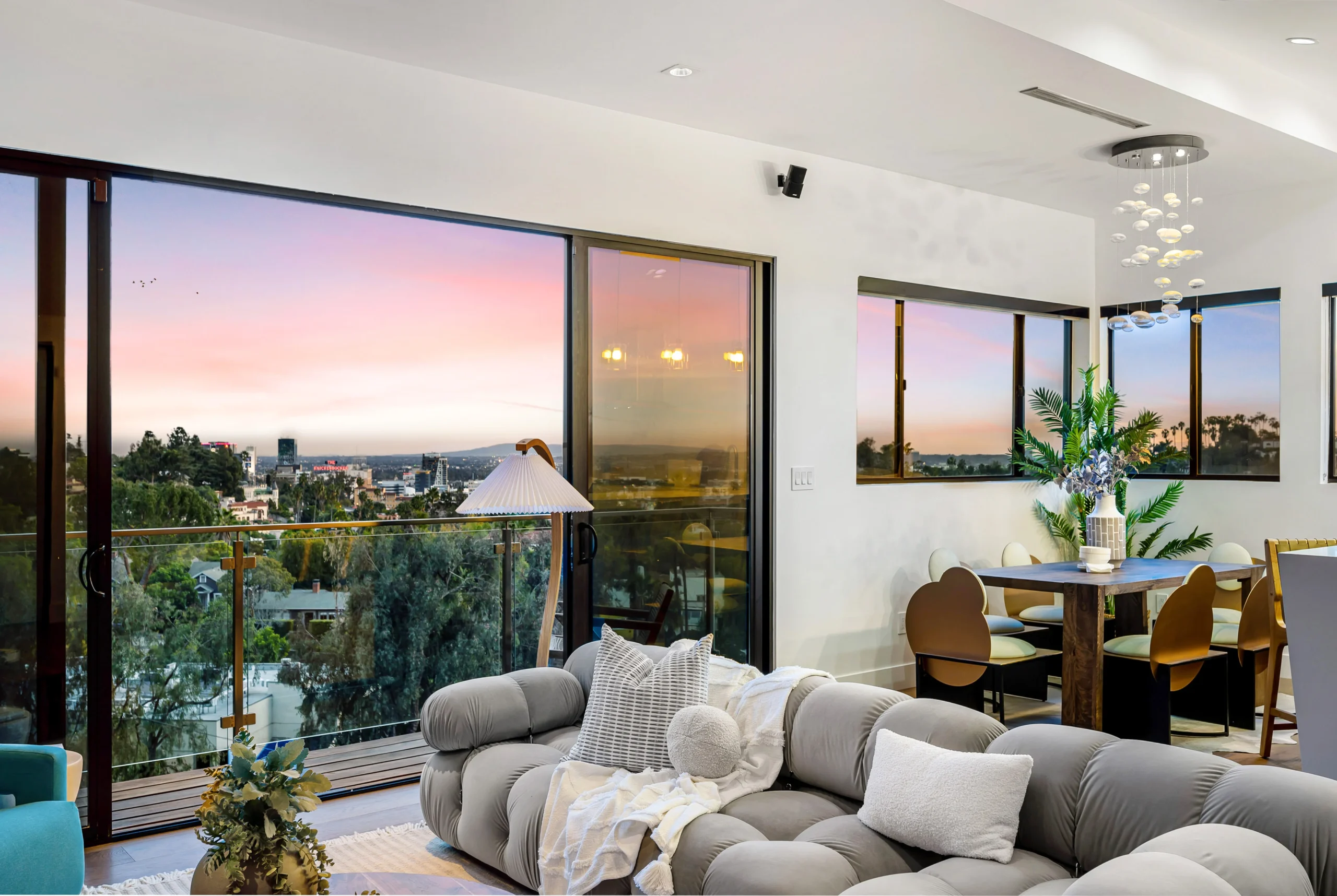
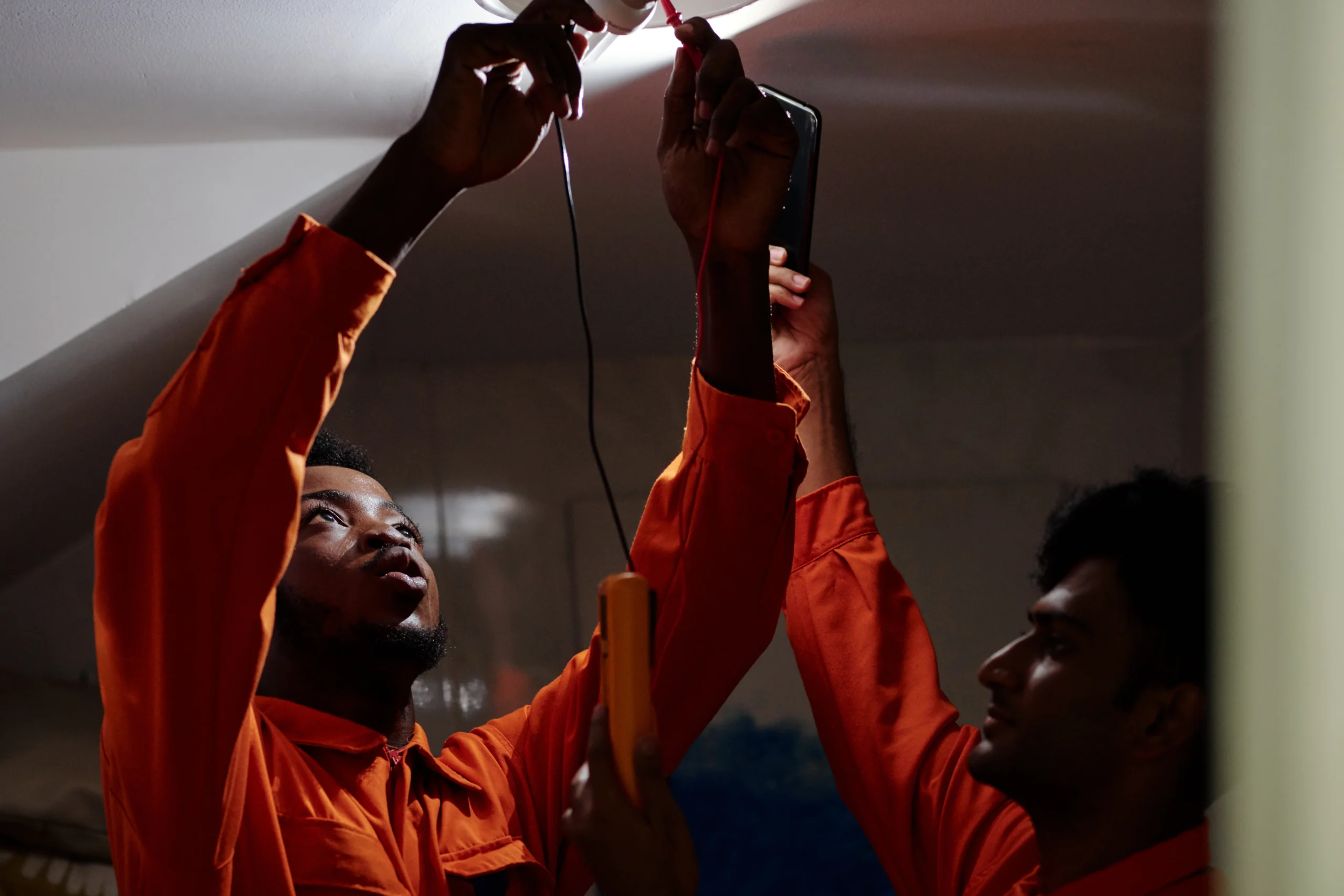
It is important not to compromise on safety. Always inspect decorative lights before using them and avoid any with damaged wires, cracked casings, or other visible faults. Never overload sockets, and use power strips with appropriate overload protection where necessary.
Keep electrical lights away from water and open flames. If you are using diyas or candles, place them on stable, heat-resistant surfaces and keep them well away from curtains, drapes, and other materials that could catch fire.
Forgetting Everyday Functionality
Festive decorations should never make your home harder to use. Make sure switches remain easy to reach, walkways stay clear, and key areas such as hallways, kitchens, and bathrooms remain adequately illuminated.
A beautifully decorated home should still function effortlessly once the celebrations begin.
How Lighting Complements Luxury Residential Interiors
How Shruti Sodhi Helps in Choosing the Right Lighting for Your Home
At Shruti Sodhi Interior Designs, lighting is considered part of the overall design story of a home. The choice of a fixture, its scale, its position, and the quality of light it produces can all influence how a space feels and functions.
Whether it is a living room, dining area, bedroom, or entrance, lighting can be planned alongside furniture, materials, colour palettes, and architectural features. This helps festive additions feel like an extension of the home rather than something temporary or disconnected.
Whether you are preparing your home for Diwali or planning a complete interior transformation, the objective remains the same: to create spaces that are considered functional and comfortable while reflecting the personality of the people who live in them.
For homeowners looking to work with the top interior designers in Delhi, the focus should be on creating a lighting scheme that responds to the architecture, lifestyle, and visual language of the home. The result should feel festive when the occasion calls for it while remaining relevant and cohesive beyond the celebrations.
Conclusion
Choosing the right lighting for Diwali is not about how many lights you can put in a room. It is about understanding where light can make a meaningful difference. A softly illuminated entrance can welcome guests with warmth, a layered living room can encourage conversation, and a gently lit dining area can make festive meals feel more intimate.
Look at your home as a whole, then decide which areas deserve emphasis. When decorative lighting works with the architecture, furniture, and materials already in place, the result feels intentional rather than crowded.
This Diwali, let the light reveal what is already beautiful about your home.
Frequently Asked Questions:
1. What type of lighting is best for Diwali at home?
Warm white lighting is a popular choice for Diwali because it creates a soft, welcoming glow that complements the festive atmosphere. It works well with diyas, lanterns, string lights, and other decorative elements, depending on the purpose and character of each room.
2. How can I decorate my home with lights without making it look cluttered?
The key is to be selective. Instead of covering every corner, choose a few areas to highlight, such as the entrance, windows, balcony, or a distinctive architectural feature. Keeping the surrounding areas relatively simple allows the main elements to stand out.
3. Is cool lighting better for Diwali decorations?
Warm lighting generally suits festive and social spaces because it has a softer and more inviting quality. Cool lighting can be useful in areas where clearer visibility is important, such as kitchens, studies, and utility spaces. Both can be used in the same home when selected according to the function of each space.
4. How can I make my living room look festive with lighting?
Start with the lighting already present in the room and build additional layers around it. A statement ceiling fixture, floor lamp, table lamp, or accent light can add depth. String lights can also be used around windows or selected architectural features, provided they do not overwhelm the room.
- What safety precautions should I follow when using Diwali lights??
Check decorative lights and wires for damage before use and avoid overloading electrical sockets. Keep electrical fixtures away from water and open flames, and use outdoor-rated lights in exposed areas. Diyas and candles should be placed on stable, heat-resistant surfaces and kept away from curtains, fabrics, and other flammable materials.