



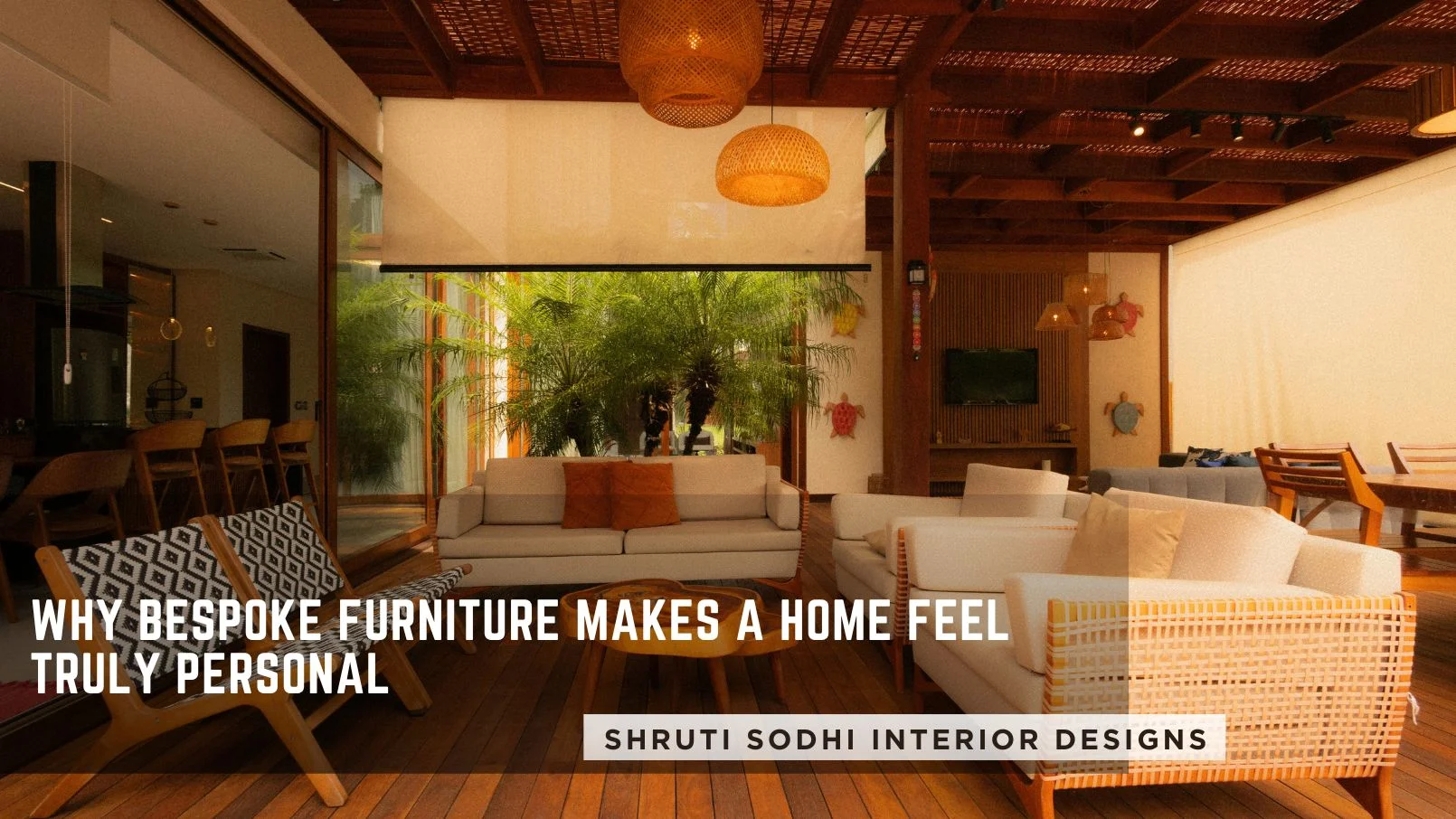
Why Bespoke Furniture Makes a Home Feel Truly Personal
A home cannot feel truly personal when its spaces look and feel like those of anyone else. The palette, textures, tones, and finishes you select to live with are slowly built up across a home to create a feel for the property. Furniture is central to this process because it’s something we touch and interact with every day; creating a home that responds to how it’s used and not just how it looks can be a subtle way of making the whole place feel more personally scaled and more your own.
A well-designed piece of furniture can respond to the dimensions, layout, and lifestyle of a home in ways that standard pieces often cannot. This is where experienced interior design companies in Delhi can add value by considering furniture as part of the overall spatial design rather than treating it as a separate purchase.
Personalization with furniture means looking beyond fabric samples and color palettes to develop detail, proportion, storage, and general execution around the homeowners’ specific needs: for example, the proportions of a console table based on an otherwise unused niche, or positioning around the collection that will be displayed in a wardrobe, or the way in which the family will make use of a dining table. When designing a high-end interior, furniture is about balancing architecture, proportion, and material. Each piece needs to sit seamlessly within the wider design language of the home. This means choosing what is right for the overall palette as well as the scale of the space, allowing a piece to repeat the lines of a room or carry texture from it without being overly ‘done.’ Choosing furniture also means knowing what to pay attention to beyond the look and feel: scale, comfort, function, material, maintenance, and how the furniture interacts with space are equally important factors to consider.
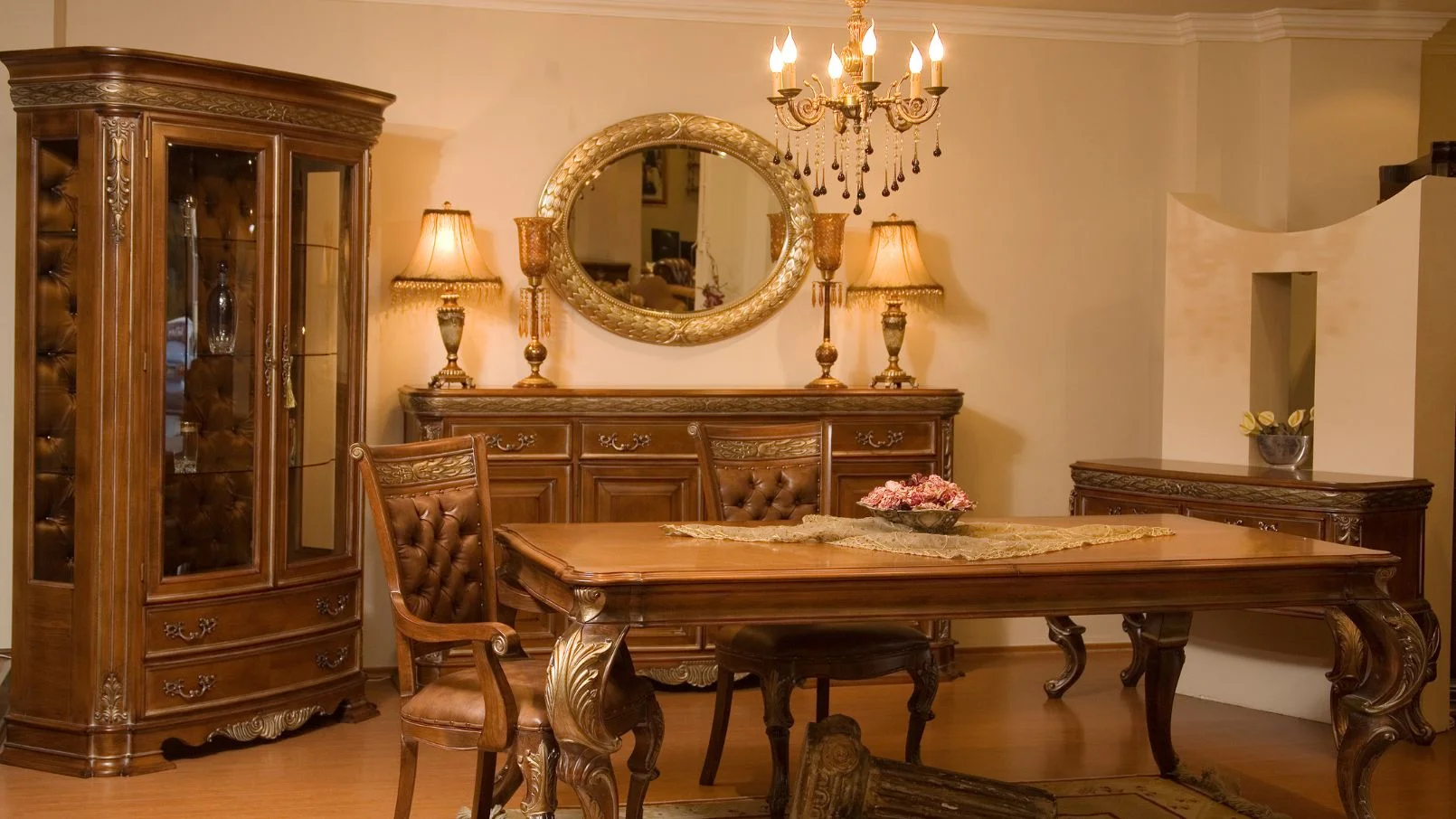
Bespoke Furniture vs Ready-Made Furniture
Ready-made furniture can be a good option for homeowners looking for quick availability of various styles and sizes to suit their purposes. It may be a logical choice when a standard space features standard furniture in sizes that are preselected by the designer or manufacturer to suit your functional requirements. Bespoke furniture gives homeowners even more scope to adapt the size, shape, finish, storage, and detailing around them. This is helpful when a room has an unconventional shape, large open spaces, or architectural features that need to be built into the furniture specifications.
There are also details that may be difficult to replicate elsewhere: hidden compartments, incorporated lighting, atypical measurements, and specialized hardware can all be incorporated. When the design of your furniture is to echo the architecture of a space, that flexibility can help craft that connection perfectly. Working with natural materials like wood can also add depth and warmth to furniture while improving its lifespan. If homeowners are considering different material options, understanding the benefits of solid wood furniture can be an eye-opener.
When Should You Choose Bespoke Furniture?
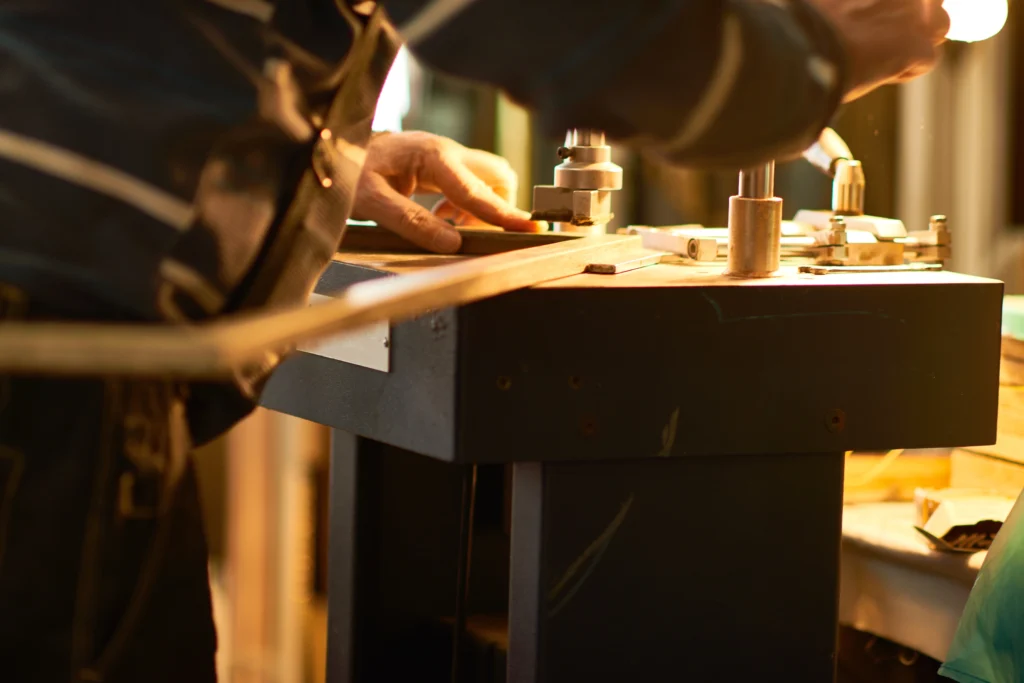
Similar to bespoke kitchens, this can create furniture pieces in harmony with the rest of the space. From dressing rooms and bedrooms to living rooms and lounges, from sofa design to bespoke coffee tables, and from storage units to console tables. Even items like side tables, bedside units, decorative benches, and occasional tables have the potential to be customized for a more coherent outcome. An interior designer’s role is closely connected to furniture design.
Furniture design for a home is not only about aesthetics. It also involves considering scale, placement, ergonomics, functionality, and the relationship between the furniture and the overall space. The design process usually starts with gaining an understanding of the lifestyle, taste, and functional needs of the inhabitant. The furniture layout will then be the backbone of the spatial plan, while selection of finishes, material choices, and details are worked around to create a piece that is both functional and in keeping with the house’s visual language. For homeowners, this approach allows each furniture piece to be thoughtfully integrated into the overall interior design rather than treated as a standalone element.
The Role of an Interior Designer in Bespoke Furniture Design
An interior designer can also help balance aesthetic sensibilities with durability and everyday usability. An eye-catching piece may not always be the most practical, while furniture that is used throughout the home needs thoughtful detailing to remain functional and visually cohesive.
Small decisions can make a surprising difference to how naturally a piece works within a home. The height of a console, the depth of a drawer, the placement of a handle, or the configuration of internal storage can all influence the overall experience of bespoke furniture in residential interiors.
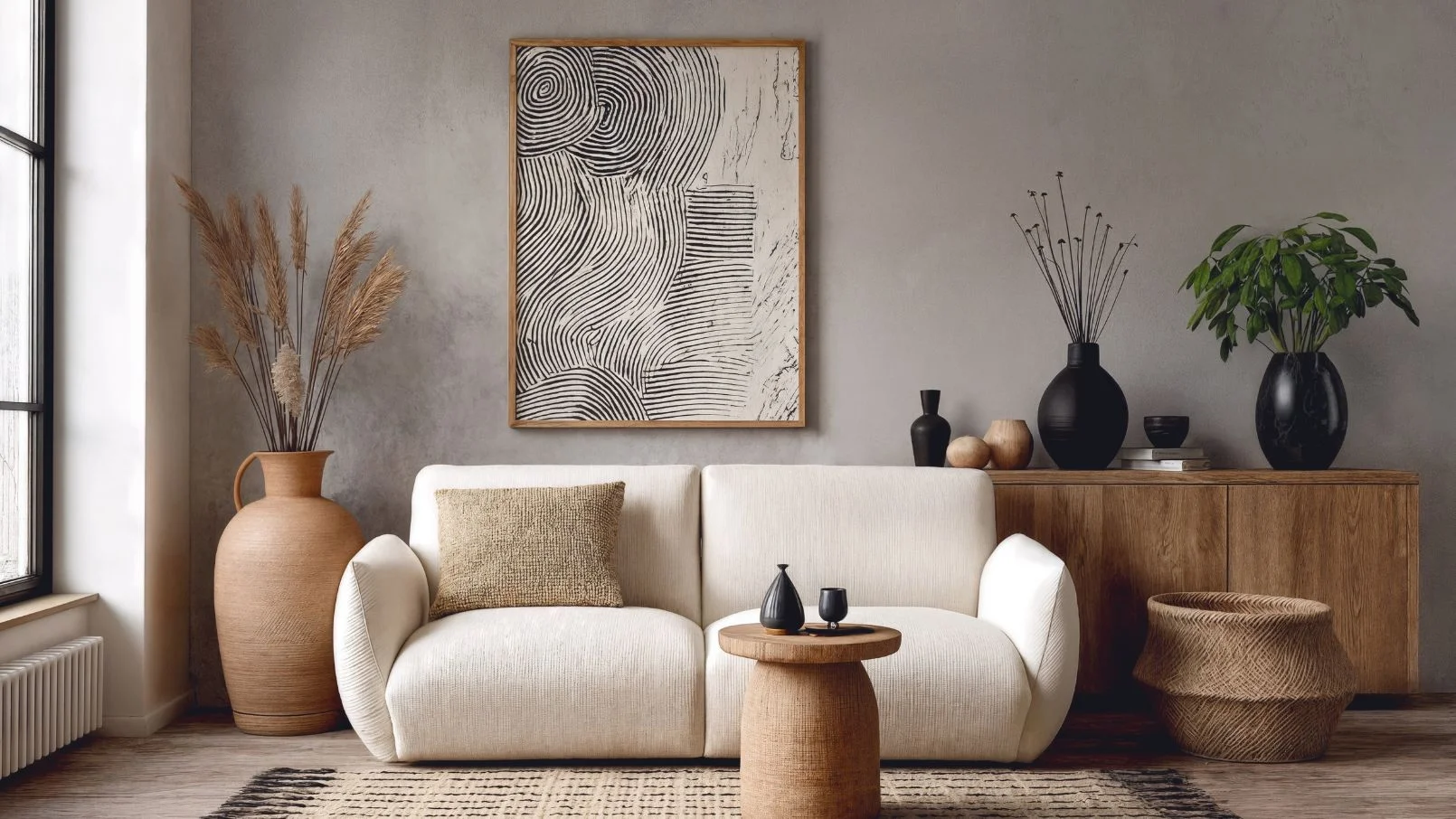
Creating Furniture Specific to Your Lifestyle
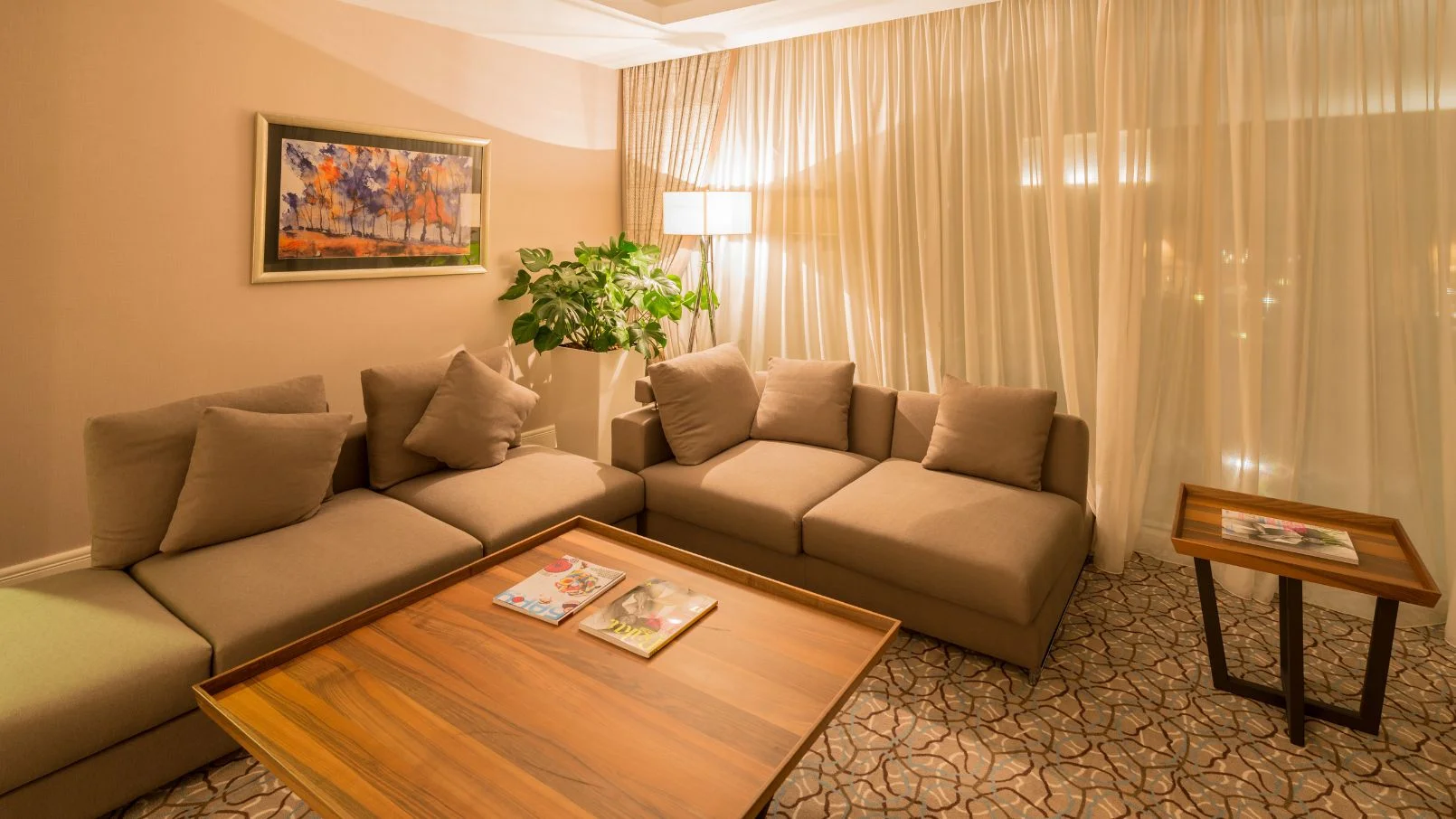
Personalizing Furniture through Bespoke Design
You don’t have to be bold or radical with your furniture to add a sense of personalization. It could be an elegant proportion, a specific wood grain, a chosen fabric, a noteworthy finish, special hardware, or a small detail that only reveals itself upon closer inspection.
The best luxury home interiors know how to balance individual character and visual consistency. Furniture may be able to follow the language of the architecture of the home while also including pieces that seem to have been chosen specifically for the space. This is how an elegant residence can feel tailored and refined without appearing overly styled.
So finally, the last stage is the integration. Home interior designers in Delhi can help turn a personal aesthetic into furniture that suits the architecture and can bring together the entire home design for a better integration of materials, lighting, and spatial planning so that everything fits together naturally.
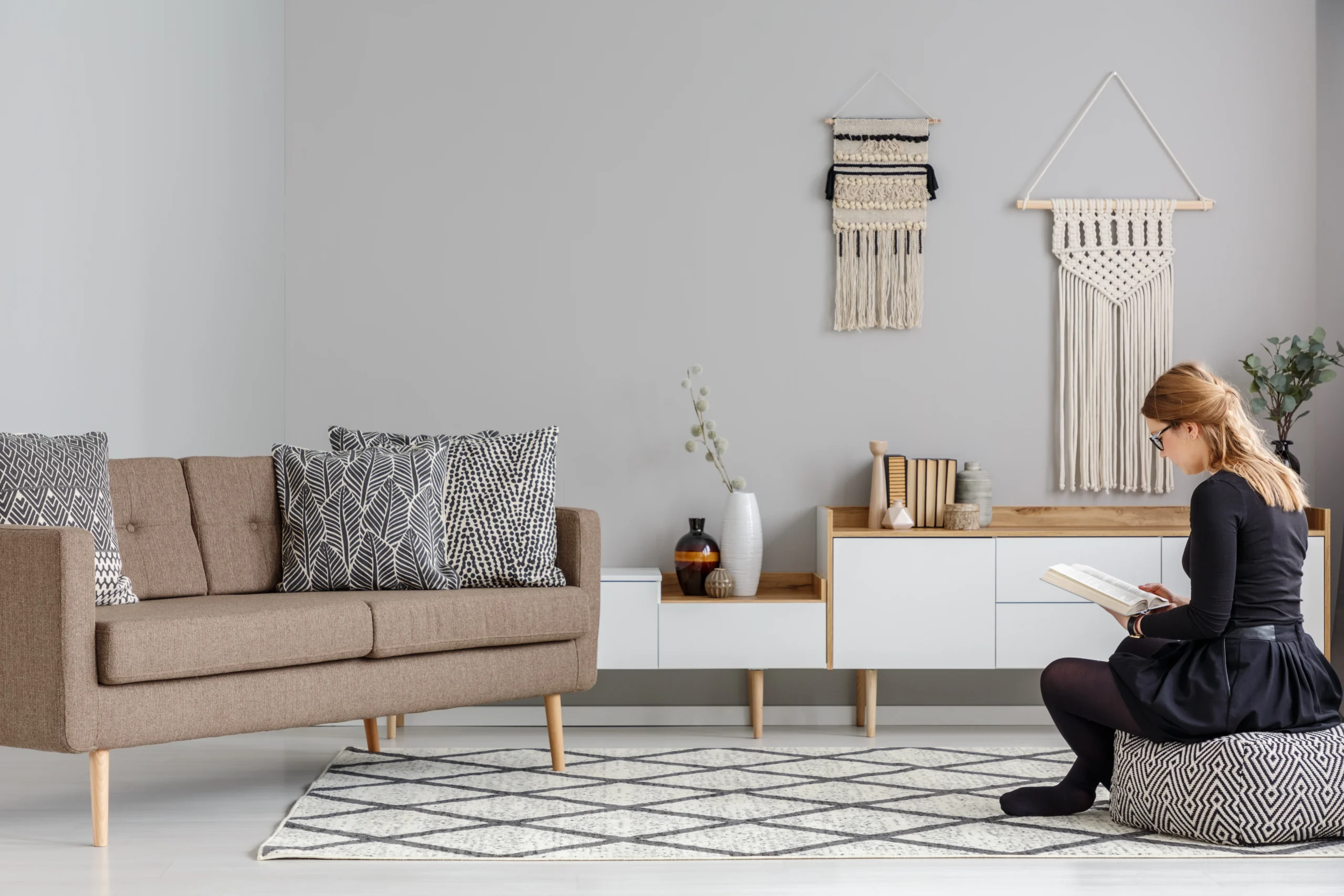
How Shruti Sodhi Interior Designs Help Create Personalized Spaces
At Shruti Sodhi Interior Designs, bespoke furniture does not exist in isolation as a feature. Instead, it forms part of the wider design and the overall plan. Whether it is a large dining table, a bespoke storage unit, a study planned to suit the specific needs of its owner, or a subtle installation designed to fit into an unconventional corner of a room, there is always a thoughtful approach to creating each piece of furniture, taking it beyond one-dimensional craftsmanship and making it part of a cohesive home.
Conclusion
A home that feels personal is one where the people feel connected to the space, and it is shaped accordingly instead of a space that is dictated by a predefined style and process. Custom-designed furniture connects a home in a meaningful way by bringing the dimensions, materials, and functionality in harmony with the needs of its residents.
In the end, custom-designed furniture is more than a matter of exclusivity. It is about shaping furniture to fit the space and to serve, express, harmonize with, or add something to the lives of those who fill it. When everything has a strong sense of purpose and a relationship to its users, the home feels more authentic.
Frequently Asked Questions:
1. What is bespoke furniture?
Bespoke furniture is designed and manufactured specifically to fit the requirements of a specific space. It allows homeowners to customize dimensions, select finishes, proportions, materials, and detailing for furniture to be made according to their lifestyle and interior needs.
2. How does bespoke furniture make a home feel more personal?
Bespoke furniture is created around the homeowner’s preferences, character, routines, and specific requirements. Adjustments to proportions, materials, and finish allow each piece of furniture to reflect their personal style while serving a specific function.
3. Is bespoke furniture better than ready-made furniture?
Bespoke furniture offers greater flexibility in terms of size, functionality, materials, and design. It can be particularly useful when a room has unusual dimensions, specific storage requirements, or a design concept that requires furniture to be tailored to the space.
4. When should I consider custom-made furniture for my home?
Custom furniture can be considered when you need a piece for an unusual space, require specific storage solutions, want particular materials or finishes, or want your furniture to coordinate closely with the overall interior design.
- How can an interior designer help with bespoke furniture? ?
An interior designer can help manage the process from understanding your requirements and planning dimensions to selecting materials, finishes, and detailing. They ensure that the furniture is practical while complementing the architecture and overall design of the home.